Ekadashi Fast Ends Today: Your Essential Guide To Breaking It Right
Ekadashi Fast Ends Today: Your Essential Guide To Breaking It Right...
Ekadashi Fast Ends Today: Your Essential Guide To Breaking It Right
My dear seekers of spiritual wisdom and cosmic harmony, as an astrologer and a guide on this beautiful journey of life, I know the profound peace and immense satisfaction that comes with successfully completing an Ekadashi fast. Today, as the sacred Ekadashi Tithi draws to a close, a sense of quiet accomplishment fills the air. You've navigated a day (or sometimes more!) of discipline, devotion, and deep introspection. Your dedication has not only purified your body but also elevated your spirit, bringing you closer to the divine energies.
But here's a crucial point many overlook: the journey doesn't end when the sun sets on Ekadashi. Just as important as observing the fast is the act of breaking it correctly. This sacred act, known as Parana, is not merely about eating again; it’s a vital ritual that ensures you reap the full spiritual benefits of your vrat. Improperly breaking the fast can, unfortunately, diminish its positive effects. So, let’s embark on this essential guide to breaking your Ekadashi fast right, ensuring you carry forward all the blessings you've earned.
The Sacred Timing: Understanding Parana
The first and most critical aspect of breaking your Ekadashi fast is timing. This isn't just a matter of convenience; it's deeply rooted in Vedic traditions and astrological calculations. Parana must be performed during a specific window on the Dwadashi Tithi, the day following Ekadashi.
- Dwadashi Tithi: The twelfth day of the lunar fortnight. This is the designated day for breaking the Ekadashi fast.
- Hari Vasara: This is a particular time window within the Dwadashi Tithi that is considered inauspicious for breaking the fast. Hari Vasara usually lasts for approximately one-fourth of the Dwadashi Tithi, starting from its beginning. It's crucial to avoid breaking the fast during Hari Vasara.
- The Ideal Window: Generally, Parana is performed after sunrise on Dwadashi Tithi and after the Hari Vasara period has ended. However, it must also be completed before the end of the Dwadashi Tithi. If, due to some rare astrological alignment, the Dwadashi Tithi ends before sunrise, or if there's no suitable Parana period, then special considerations apply, but these are rare exceptions. For most of us, it means breaking the fast in the morning hours of Dwadashi, after any Hari Vasara has passed.
My friends, consulting a reliable Panchang (Hindu calendar) or an experienced astrologer for the precise Parana timing in your location is always the best practice. This attention to detail isn't superstition; it's respect for the cosmic clock and ensures your spiritual efforts are perfectly aligned with divine energies.
The "How-To": Gentle Steps to Reintroduce Food
Your body has been through a significant cleanse. It's vital to reintroduce food gently and mindfully. Think of it as waking up a sleeping system – you wouldn't shock it with a jolt, would you? The same applies to your digestive system after an Ekadashi fast.
The First Morsel: A Symbolic Start
Traditionally, the first thing consumed to break an Ekadashi fast is not a full meal, but a symbolic morsel that signifies the return to regular eating. This is often a grain or specific pulse, representing prosperity and continuity.
- Grain (Anna): The most common and recommended way to break the fast is by consuming a small amount of grain. A single grain of boiled rice, a tiny piece of chapati, or a few grains of wheat are traditional choices. This reintroduces 'Anna' (food, grain) into your system, which was abstained from on Ekadashi.
- Tulsi Leaf (Optional but Auspicious): Before the grain, some devotees first consume a few drops of holy water or a single Tulsi leaf. Tulsi is sacred to Lord Vishnu and is believed to purify and bless the act of breaking the fast.
- Specific Pulses: In some traditions, specific pulses like urad dal or moong dal are used for the first morsel. The idea is to consume something that was explicitly avoided during the fast.
Practical Insight: Whatever you choose as your first morsel, let it be small, sacred, and consumed with gratitude. This isn't about satisfying hunger immediately, but about fulfilling a spiritual obligation.
Hydration First: Quench Your Thirst Mindfully
After a day of fasting, your body will likely be dehydrated. Before diving into solid foods, gently rehydrate yourself.
- Plain Water: The simplest and best choice. Start with a glass or two of room-temperature water.
- Coconut Water: A fantastic source of electrolytes and natural sugars, it's gentle on the stomach and very hydrating.
- Fresh Fruit Juices: Opt for freshly squeezed juices without added sugar. Orange, mosambi, or watermelon juice can provide a gentle energy boost and essential vitamins.
- Avoid: Sugary sodas, caffeine (coffee/tea), and highly processed drinks immediately after breaking the fast. These can be too harsh on a sensitive digestive system.
Gradual Reintroduction: Light and Nourishing Foods
Once you've had your symbolic first bite and rehydrated, wait a little while before having a more substantial, but still light, meal.
- Fruits: Fresh, easily digestible fruits like bananas, apples, papaya, or melons are excellent choices. They provide natural sugars, fiber, and vitamins without taxing your digestion.
- Boiled or Steamed Vegetables: Lightly cooked vegetables such as spinach, carrots, bottle gourd (lauki), or zucchini are easy to digest and packed with nutrients. Avoid heavy spices initially.
- Kichadi (Khichdi): A simple kichadi made with rice and moong dal (split green gram) is a classic post-fasting meal. It's comforting, nutritious, and very easy on the stomach. Cook it with minimal oil and spices.
- Yogurt/Curd: Plain yogurt can aid digestion by introducing beneficial probiotics.
- Avoid: Heavy, oily, fried foods, excessive spices, rich curries, processed snacks, and meat immediately after breaking the fast. Your digestive fire (Agni) is still low, and such foods can lead to discomfort, indigestion, and negate the cleansing effects of the fast.
Astrological Connection: Our digestive system is governed by the Sun and Mars, and an Ekadashi fast helps to balance these energies. Breaking the fast gently supports this balance, preventing sudden shocks that can create imbalances in your elemental body, potentially affecting your energy levels and mood (Moon and Mercury).
Specific Astrological Considerations & Remedies on Dwadashi
The Dwadashi Tithi is not just about eating; it's a day of continued spiritual activity and expressing gratitude. As an astrologer, I always emphasize that our actions on this day can significantly amplify the benefits of our Ekadashi vrat.
Daan (Donation): The Power of Giving
Charity is an integral part of Vedic practice, and offering Daan on Dwadashi is considered highly auspicious. It helps to consolidate the spiritual merits of your fast and can even mitigate planetary afflictions in your birth chart.
- Grains and Food: Donating grains (rice, wheat, pulses) or cooked food to Brahmins, the needy, or at temples is a powerful act. This act of 'Anna Daan' (donation of food) is particularly potent on Dwadashi, as you are returning to food after abstaining.
- Clothes and Money: Offering clothes, blankets, or monetary donations to the less fortunate is also highly meritorious.
- To Whom: Prioritize those who genuinely need it. Brahmins, scholars, and the poor are traditional recipients.
Remedial Insight: Donating on Dwadashi can specifically appease planets associated with sustenance and well-being, such as Venus (for abundance) and Jupiter (for wisdom and blessings). It also helps to cleanse any negative karma associated with food or resources.
Mantra Chanting & Prayer: Sustaining the Spiritual Vibe
Don't let the spiritual momentum of Ekadashi fade away as you break your fast. Continue to engage in prayer and mantra chanting on Dwadashi.
- Vishnu Mantras: Chanting the Vishnu Sahasranama, "Om Namo Bhagavate Vasudevaya," or other mantras dedicated to Lord Vishnu/Krishna reinforces your devotion and gratitude.
- Gratitude: Spend time in quiet contemplation, expressing gratitude for the successful completion of your fast, for the food you are about to eat, and for the blessings showered upon you.
- Reading Scriptures: Reading from Bhagavad Gita, Srimad Bhagavatam, or other sacred texts keeps your mind focused on divine thoughts.
Astrological Connection: Continuous chanting and prayer help to strengthen your Jupiter (Guru) and Mercury (Buddha) energies, fostering wisdom, positive communication, and spiritual growth. It keeps your aura vibrant and receptive to higher vibrations.
Seeking Blessings: From Elders and Gurus
On Dwadashi, it is customary and highly beneficial to seek blessings from your elders, parents, and spiritual teachers (Gurus). Their blessings carry immense power and can multiply the merits of your fast.
Practical Tips for a Smooth Transition
Beyond the rituals, here are some practical pointers to ensure your body and mind adjust gracefully after your Ekadashi fast:
- Listen to Your Body: Everyone's body responds differently to fasting. Pay close attention to what your body tells you. If something feels off, don't force it.
- Mindful Eating: Avoid rushing your meal. Eat slowly, chew thoroughly, and savor each bite. This aids digestion and helps you recognize when you're full, preventing overeating.
- Rest and Recuperation: Your body has been working hard to cleanse and repair during the fast. Allow yourself adequate rest on Dwadashi. Avoid strenuous physical activity immediately after breaking the fast.
- Post-Fast Reflection: Take some time to reflect on your experience. What insights did you gain? What challenges did you overcome? How did you feel spiritually and physically? This reflection deepens the learning and makes the fast more meaningful.
- Plan for the Next Ekadashi: While the current one is just ending, thinking ahead can help you prepare better for the next. This continuity builds discipline and reinforces your spiritual practice.
Common Mistakes to Avoid After Ekadashi
To truly maximize the benefits of your fast, be mindful of these common pitfalls:
- Overeating Immediately: This is perhaps the most common mistake. Your stomach has shrunk, and your digestive system needs to wake up gradually. Stuffing yourself can lead to severe discomfort, indigestion, and undo many of the physical benefits of the fast.
- Breaking Fast Outside the Prescribed Time: As discussed, the Parana time is crucial. Breaking it too early (especially during Hari Vasara) or too late can negate the spiritual merits of the fast.
- Consuming Prohibited Foods Too Soon: Heavy, spicy, oily, or processed foods, and certain non-vegetarian items (if you follow a strict sattvic diet) should be avoided immediately. Give your body a full day or two to return to normalcy before reintroducing such items.
- Ignoring the Spiritual Aspect of Parana: Treating Parana merely as a meal misses the point. It's a sacred ritual, an act of gratitude and completion. Approach it with reverence.
- Neglecting Hydration: Dehydration can persist even after you start eating. Continue to drink plenty of water throughout Dwadashi.
The Deeper Meaning: Beyond the Plate
My dear friends, Ekadashi is much more than abstaining from food. It's a powerful tool for self-discipline, spiritual purification, and reconnecting with the divine within. It's a day when our senses are withdrawn from worldly pleasures, allowing our minds to turn inwards, towards Lord Vishnu. The discipline strengthens our willpower and helps us gain control over our desires.
Breaking the fast correctly on Dwadashi ensures that this spiritual energy is gracefully integrated back into your daily life. It's about respecting the body as a temple, honoring the spiritual journey, and aligning with the cosmic rhythm. It's a testament to your devotion and a promise of continued growth.
May your Ekadashi fast bring you immense blessings, good health, and profound spiritual insights. May your Parana be a sacred act that further elevates your consciousness and fills your life with harmony and grace. Jai Shri Hari!

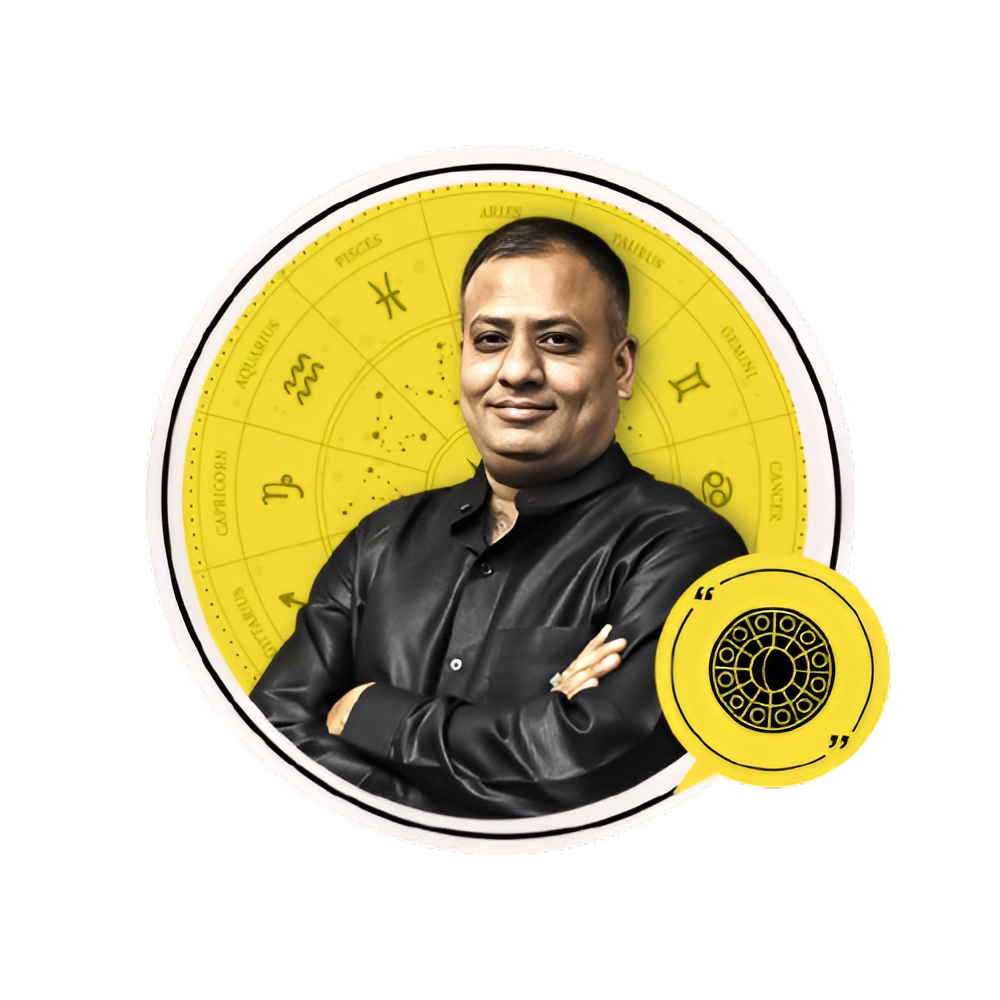
Astrologer Abhishek Soni
India's Top Celebrity Astrologer | 50,000+ Consultations | Vedic Astrology, Numerology & Vastu Expert
Book Consultation