Ekadashi Fasting Rules Today: Everything You Need to Know
My dearest readers and spiritual seekers,...
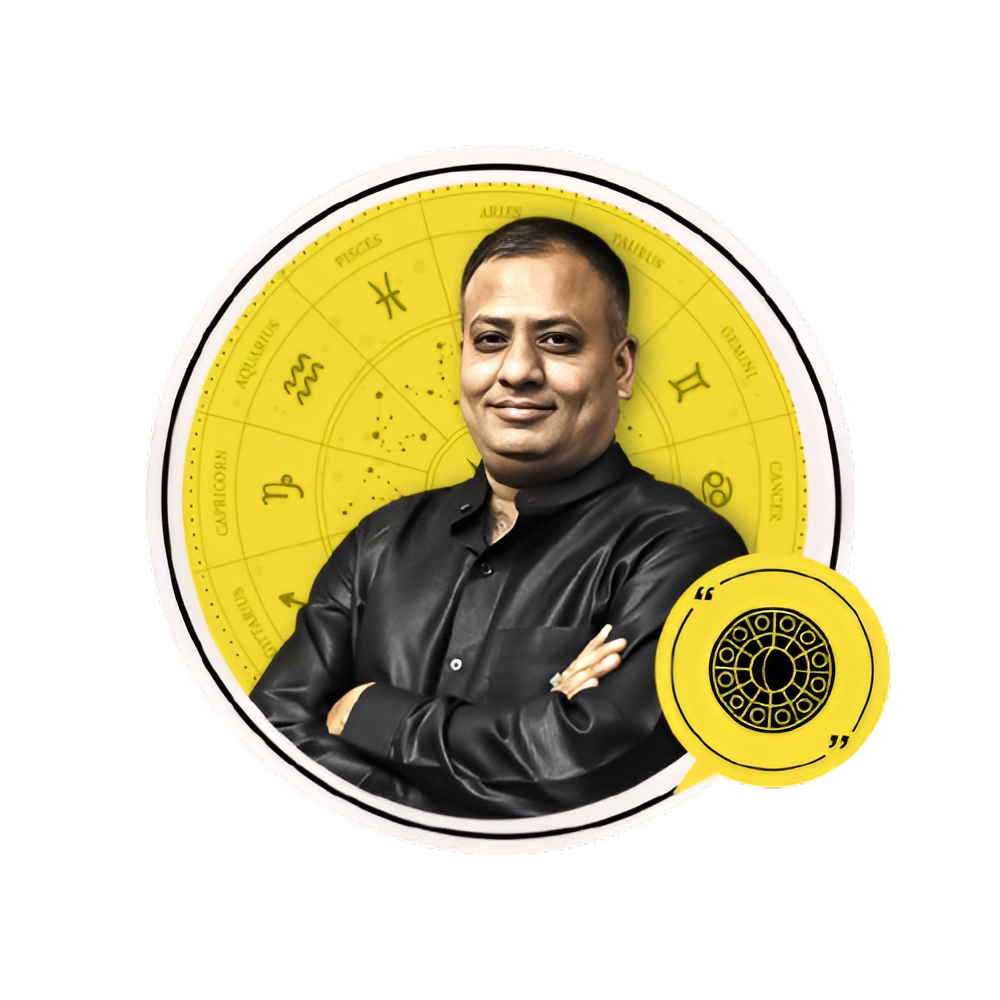
My dearest readers and spiritual seekers,
Hari Om! Welcome to abhisheksoni.in, your trusted space for navigating the profound depths of Vedic wisdom and spiritual practices. Today, we're diving deep into a topic very close to my heart, one that holds immense spiritual power and personal transformation: Ekadashi fasting rules today. Whether you’re a seasoned devotee or just beginning your journey into the vast ocean of Hindu traditions, understanding the nuances of Ekadashi Vrat is crucial. It's not just about abstaining from food; it’s a sacred discipline, a purification, and a beautiful act of devotion to Lord Vishnu.
Perhaps you woke up today wondering, "Is it Ekadashi today? What are the Ekadashi Vrat rules I need to follow?" Or maybe you've observed Ekadashi before but feel the need for a deeper, more comprehensive understanding. Whatever your reason, you've come to the right place. As your guide, I'll walk you through everything you need to know – from the ancient scriptures to practical tips, remedies, and the profound spiritual benefits this auspicious day offers.
Understanding Ekadashi: The Eleventh Day of Divine Connection
First things first, what exactly is Ekadashi? In Sanskrit, 'Eka' means one and 'Dashi' means ten, collectively referring to the eleventh day of each lunar fortnight in the Hindu calendar. This translates to two Ekadashis every month: one during the Shukla Paksha (waxing moon fortnight) and one during the Krishna Paksha (waning moon fortnight). Each of these 24 (or sometimes 26 in a leap year) Ekadashis holds a unique name, story, and specific benefits, but the core principles of observance remain consistent.
The significance of Ekadashi is deeply rooted in the Puranas, particularly the Skanda Purana, which describes the manifestation of Goddess Ekadashi from Lord Vishnu Himself to defeat the demon Mura. Pleased with her, Lord Vishnu blessed her that anyone who fasts on this day would be freed from sins and attain liberation. Thus, Ekadashi became one of the most important days for spiritual seekers to connect with the divine.
Why Observe Ekadashi? Beyond the Physical Fast
For many, fasting might seem like a mere physical challenge, but Ekadashi is much more than that. It’s a holistic practice that cleanses the body, mind, and soul. According to Vedic astrology and Ayurveda, the moon's gravitational pull significantly impacts our planet and our bodies. On the eleventh day, it's believed that the moon's influence on water (which constitutes a large part of our body) is at its peak, potentially affecting digestion and mental states. Observing a fast on Ekadashi is said to lighten the digestive load, allowing the body to cleanse itself and the mind to become more serene and focused on spiritual pursuits.
The primary purpose of Ekadashi Vrat is to cultivate devotion (Bhakti) towards Lord Vishnu. It’s a day to minimize worldly distractions, engage in spiritual activities, and draw closer to the divine source. It’s a powerful tool for self-discipline, self-reflection, and accumulating spiritual merit (Punya).
Ekadashi Fasting Rules Today: The Core Principles
Now, let's get into the practical aspects – the essential Ekadashi fasting rules that guide our observance. While the intensity of the fast can vary based on individual capacity and specific Ekadashi, some fundamental guidelines are universally followed.
1. Absolute Abstinence from Grains
This is arguably the most crucial rule. On Ekadashi, devotees must completely abstain from all types of grains. This includes:
- Rice (chawal)
- Wheat (gehu)
- Barley (jau)
- Corn (makka)
- Oats (jai)
- Lentils and beans (dal, rajma, chole, etc.)
- Any products made from these grains (bread, pasta, idli, dosa, etc.)
The reason for this is scientific and spiritual. Grains are believed to absorb lunar energy more readily and are harder to digest, making them unsuitable for a day dedicated to purification. Spiritually, it's believed that sins take refuge in grains on Ekadashi.
2. Avoiding Onion and Garlic
Like many other Hindu fasting days, Ekadashi prohibits the consumption of onion and garlic. These are considered Tamasic foods (foods that create inertia, dullness, or passion) and are believed to stimulate the senses, making it harder to maintain spiritual focus and tranquility.
3. Permissible Foods for Ekadashi Vrat
While strict, the Ekadashi fast does allow for a range of sattvic (pure, wholesome) foods that support spiritual endeavors and sustain the body. Here’s a detailed list:
- Fruits: All fresh fruits are allowed. You can have them whole, as juices, or in fruit salads.
- Dairy Products: Milk, yogurt (dahi), paneer (Indian cheese), ghee, and buttermilk are all permissible.
- Certain Vegetables: Potatoes, sweet potatoes, yams, raw banana, spinach, tomatoes, cucumbers, bottle gourd (lauki), pumpkin (kaddu), and some other seasonal vegetables are generally allowed. Avoid brinjal (eggplant) and leafy greens that might harbor insects.
- Vrat-Specific Flours:
- Kuttu ka Atta (Buckwheat Flour): Often used for rotis or puris.
- Singhare ka Atta (Water Chestnut Flour): Another popular option for rotis or halwa.
- Rajgira Atta (Amaranth Flour): Used similarly to kuttu or singhara.
- Samak Rice (Barnyard Millet): Used as a rice substitute.
- Arrowroot Powder: Can be used as a thickener.
- Nuts and Seeds: Almonds, walnuts, cashews, peanuts (without salt), makhanas (fox nuts), and sunflower seeds are good sources of energy.
- Sugars and Sweeteners: Jaggery, honey, and rock sugar (mishri) are preferred over refined sugar.
- Spices: Rock salt (sendha namak) is the only type of salt allowed. Other permissible spices include black pepper, ginger, green chilies, cumin powder (jeera powder), and cardamom.
- Oils: Ghee or peanut oil are generally used for cooking.
Practical Insight: If you're observing Ekadashi today, remember to check food labels carefully, especially for processed items, as they might contain prohibited ingredients. It's best to prepare your Ekadashi meals fresh at home.
4. Types of Ekadashi Fasts
The intensity of your fast can vary. Here are the common types:
- Nirjala Vrat (Waterless Fast): This is the strictest form, where one abstains from both food and water for the entire 24-hour period (from sunrise on Ekadashi to sunrise on Dwadashi). This is recommended only for those with strong physical and spiritual endurance and should be undertaken with caution.
- Phalahar Vrat (Fruit Fast): Devotees consume only fruits, fruit juices, and dairy products. This is a common and highly beneficial form of fasting.
- Partial Fast (Ekadashi Vrat with Permissible Foods): This involves consuming only the specific Ekadashi-friendly foods mentioned above, avoiding grains, onions, garlic, and regular salt. This is suitable for most individuals and still offers significant spiritual benefits.
- Eka-Bhukta Vrat (Single Meal): Some observe by having only one meal of permissible foods during the entire Ekadashi day.
My Guidance: Always choose a fast that aligns with your health and spiritual readiness. It’s better to observe a partial fast with devotion than to attempt a Nirjala fast and suffer physically or break it out of discomfort. Lord Vishnu values your sincerity more than the severity of your penance.
Preparing for Ekadashi: Setting the Stage for Devotion
Observing Ekadashi is not just about the day itself; the preparation begins even before. This pre-fast routine is called 'Dashami' (the tenth day).
1. Mental and Spiritual Preparation
- Sankalpa (Intention): On the morning of Ekadashi, take a firm resolve (sankalpa) to observe the fast with sincerity and devotion. You can say a simple prayer, "O Lord Vishnu, I undertake this Ekadashi fast for Your pleasure and to purify myself. Please grant me the strength to complete it."
- Mindset: Cultivate a calm and positive mindset. Minimize distractions, arguments, and negative thoughts.
2. Physical Preparation on Dashami (The Day Before)
To prepare your body for the fast, it's advisable to have a light, sattvic meal on Dashami. Avoid heavy, rich, or Tamasic foods. Some devotees also avoid grains and certain vegetables on Dashami evening to ease into the Ekadashi fast.
During the Fast: Embracing the Spiritual Essence
Once Ekadashi begins, shift your focus from culinary restrictions to spiritual enrichment. This is where the true power of the Vrat lies.
1. Engage in Spiritual Practices
- Mantra Chanting: Dedicate time to chant mantras, especially the Maha Mantra (Hare Krishna Hare Krishna, Krishna Krishna Hare Hare / Hare Rama Hare Rama, Rama Rama Hare Hare) or "Om Namo Bhagavate Vasudevaya."
- Meditation: Spend time in quiet contemplation and meditation, focusing on Lord Vishnu.
- Reading Scriptures: Read sacred texts like the Bhagavad Gita, Srimad Bhagavatam, Vishnu Sahasranama, or stories related to Lord Vishnu.
- Puja and Aarti: Perform a simple puja to Lord Vishnu, offering flowers, incense, and a lamp.
- Kirtan: Listen to or participate in devotional singing.
2. What to Avoid During the Fast
- Sleep: It's recommended to minimize sleep, especially during the day, to stay alert and engaged in spiritual activities.
- Gossip and Negativity: Avoid engaging in idle talk, arguments, or any form of negativity. Keep your speech pure.
- Physical Indulgence: Abstain from worldly pleasures and sensual gratification.
- Shaving and Haircuts: Some traditions recommend avoiding these on Ekadashi.
Important Note: The core essence is to dedicate your senses to the service of the Lord. If you must work, do so mindfully and try to integrate spiritual thoughts throughout your day.
Breaking the Fast: The Parana Ritual
Breaking the Ekadashi fast, known as Parana, is just as important as observing the fast itself. It's a precise ritual that ensures the full benefit of the Vrat is achieved.
1. Parana Timing
The fast must be broken during a specific window of time on Dwadashi (the twelfth day) morning. This timing is crucial and varies depending on your location. You can find the exact Parana time for your city using a reliable Hindu calendar or almanac. Breaking the fast before or after this window is considered a breach of the Vrat.
2. How to Break the Fast
To break the fast, you should consume a small amount of a permitted grain or food that was avoided on Ekadashi. Traditionally, this is often a small portion of rice, a piece of ginger, or a tulsi leaf. After this initial bite, you can then resume your normal diet.
Remedy for Accidental Delay: If for some unavoidable reason you cannot perform Parana within the prescribed time, the shastras suggest consuming water and ginger, or simply meditating on Lord Vishnu, and verbally declaring your intention to break the fast, even if you eat later. However, always strive for the correct timing.
3. Foods to Avoid Immediately After Breaking Fast
It's wise to avoid very heavy, oily, or spicy foods immediately after breaking a fast, especially if you observed a strict one. Gradually reintroduce foods to allow your digestive system to adjust.
Who Should Observe and Who Should Be Cautious?
While Ekadashi Vrat is highly recommended, it's not a rigid rule for everyone. Lord Vishnu is compassionate, and understanding your physical limitations is part of sincere devotion.
- General Eligibility: Most healthy adults can observe Ekadashi in some form.
- Children: Young children are generally not required to fast strictly. They can follow a simplified regimen or just be encouraged to engage in spiritual activities.
- Pregnant Women: Pregnant women should absolutely consult their doctor before undertaking any fast. A partial fast with permissible foods and adequate hydration is often recommended, or they may simply engage in spiritual practices without dietary restrictions.
- Elderly and Infirm: Older individuals or those with chronic health conditions (like diabetes, heart disease, etc.) should also consult their doctor. They can observe the fast by consuming fruits and light meals, or by simply offering prayers and devotion without fasting.
- Sick Individuals: Anyone feeling unwell should prioritize their health. Lord Vishnu understands.
My Advice: Listen to your body. The goal is spiritual upliftment, not physical distress. If you cannot fast physically, you can still observe Ekadashi by dedicating the day to chanting, meditation, reading scriptures, and performing charity.
Common Myths and Misconceptions About Ekadashi
Let's clear up a few common misunderstandings:
- Myth: Just abstaining from food is enough.
Reality: While dietary restrictions are key, the spiritual aspect – chanting, meditation, avoiding negativity – is equally, if not more, important. It's a fast of the senses and the mind, not just the stomach.
- Myth: You can eat anything that's "vrat-friendly."
Reality: While there are permissible foods, the spirit of the fast is to minimize consumption and simplify your diet. Over-indulging in permitted foods defeats the purpose of purification.
- Myth: If you accidentally break the fast, all efforts are wasted.
Reality: While vigilance is important, if an accidental mistake occurs, sincerely apologize to Lord Vishnu, rededicate yourself, and continue with the spiritual practices. The Lord sees your intention.
Remedies and Special Practices for Ekadashi
Beyond the core rules, there are beautiful practices that enhance your Ekadashi observance:
- Tulsi Puja: Worship of the sacred Tulsi plant is highly auspicious on Ekadashi. Offer water, light a lamp, and circumambulate the plant.
- Donations (Daan): Performing charity on Ekadashi is very meritorious. Donate food (Anna Daan, especially to Brahmins or Vaishnavas), clothes, or money to the needy.
- Lamp Lighting: Lighting a ghee lamp (diya) before an image of Lord Vishnu or a Tulsi plant is believed to remove obstacles and bring blessings.
- Specific Ekadashi Mantras: Each Ekadashi has its own unique story and often a specific mantra associated with it. Researching the particular Ekadashi you are observing can deepen your practice.
- Water Offering to Sun God: In some traditions, offering water to the rising sun on Dwadashi (the day you break the fast) is also a revered practice.
The Profound Power of Ekadashi: Beyond a Single Day
Observing Ekadashi is a journey, not just a destination. The benefits extend far beyond the day of the fast:
- Spiritual Advancement: Regular Ekadashi observance purifies the soul, reduces karmic reactions, and brings one closer to the ultimate goal of spiritual liberation (Moksha).
- Mental Clarity and Discipline: The act of self-control strengthens your willpower, sharpens your focus, and brings mental peace.
- Physical Health: Intermittent fasting, when done correctly, can aid in detoxification, improve digestion, and boost overall physical well-being.
- Protection and Prosperity: Devotion on Ekadashi is believed to invoke Lord Vishnu's blessings for protection from evil, fulfillment of desires, and spiritual and material prosperity.
- Inner Peace: By dedicating a day to spiritual pursuits and detaching from worldly cravings, you experience a profound sense of inner peace and contentment.
My dear seekers, I hope this comprehensive guide on Ekadashi fasting rules today provides you with clarity, inspiration, and practical knowledge. Remember, Ekadashi is a divine gift, an opportunity to cleanse, connect, and elevate your consciousness. Approach it with reverence, sincerity, and unwavering faith, and you will undoubtedly experience its profound blessings.
May Lord Vishnu bless your journey on the path of devotion. Hari Bol!

Astrologer Abhishek Soni
India's Top Celebrity Astrologer | 50,000+ Consultations | Vedic Astrology, Numerology & Vastu Expert
Book Consultation