Ekadashi Today: Decoding the Moon Phase for Spiritual Insight
Hello, spiritual seekers and fellow travelers on the path of cosmic wisdom! As your guide through the intricate dance of celestial energies, I’m thrilled to dive deep into a topic that holds immense s...
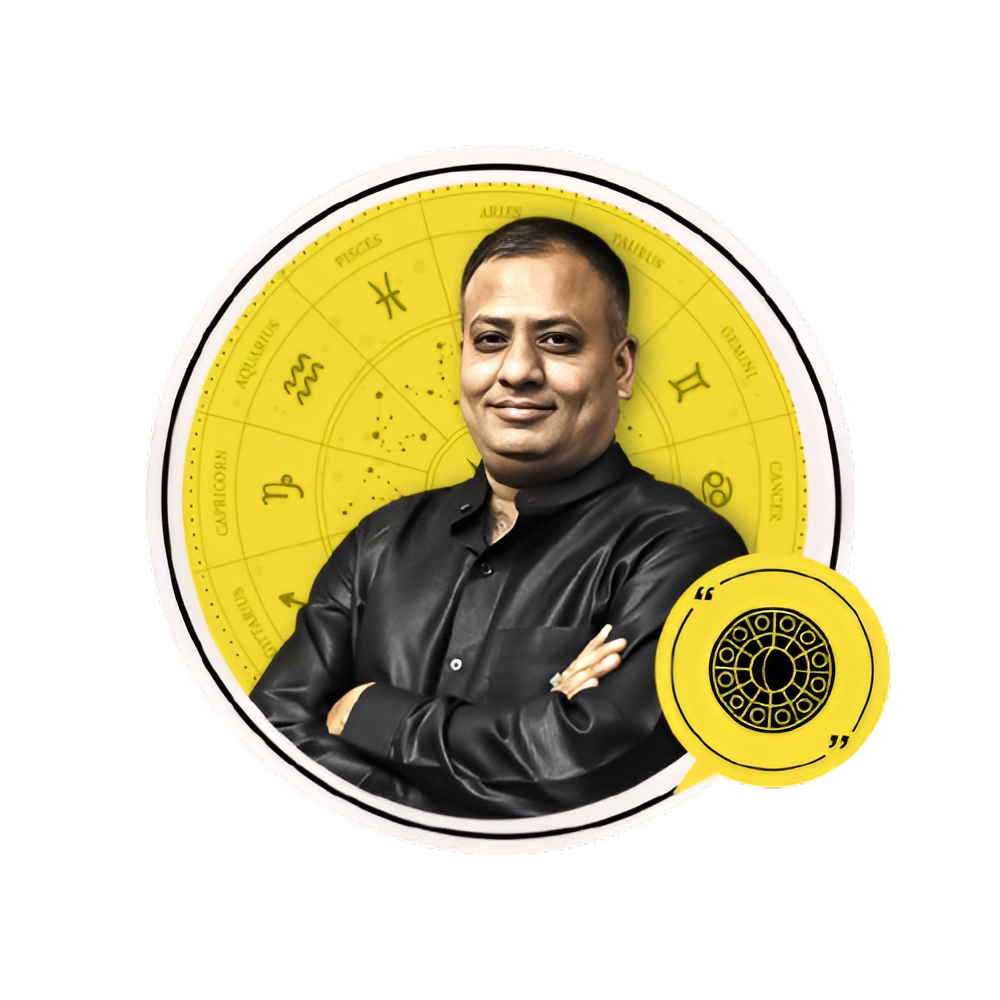
Hello, spiritual seekers and fellow travelers on the path of cosmic wisdom! As your guide through the intricate dance of celestial energies, I’m thrilled to dive deep into a topic that holds immense spiritual significance: Ekadashi. And not just any Ekadashi, but understanding the powerful influence of the moon phase when this sacred day arrives.
There's a unique energy pulsating through the cosmos on Ekadashi, an eleventh lunar day, that offers us an unparalleled opportunity for spiritual growth, purification, and connecting with the divine. But to truly harness this energy, we must understand its most profound influencer: the moon. The moon, our closest celestial neighbor, has a tangible impact on our minds, bodies, and spirits, and its phase on Ekadashi can guide your practices and intensify your spiritual insights.
So, whether you're a seasoned observer of Ekadashi or just beginning your journey, let's embark on this enlightening exploration together. We'll decode the moon's message, understand its practical implications, and discover how you can align your spiritual efforts to achieve profound inner peace and cosmic harmony, especially on Ekadashi today.
Understanding Ekadashi: More Than Just a Fast
At its heart, Ekadashi is far more than a simple day of fasting; it's a potent spiritual checkpoint in the Vedic calendar, occurring twice a month. The very word "Ekadashi" means "eleven" in Sanskrit, referring to the eleventh day of each lunar fortnight. These fortnights are the Shukla Paksha (waxing moon) and the Krishna Paksha (waning moon).
What is Ekadashi and Why is it Sacred?
For millennia, spiritual traditions, particularly within Hinduism, have revered Ekadashi as an exceptionally auspicious day dedicated to Lord Vishnu, the preserver of the universe. It’s a day when the veil between the material and spiritual realms is believed to be thinner, making our spiritual efforts more potent and impactful. The observance of Ekadashi is a powerful spiritual discipline, a way to cleanse the body, calm the mind, and elevate the spirit.
Many believe that by observing Ekadashi, we accumulate immense spiritual merit, cleanse our karma, and draw closer to liberation (moksha). It's a day designed for introspection, devotion, and disconnecting from worldly distractions to reconnect with our inner divinity.
The Mythological Roots of Ekadashi
The origin of Ekadashi is steeped in a fascinating myth from the Puranas. It is said that a formidable demon named Mura tormented the devas (gods) and humans. Unable to defeat him, the devas sought refuge with Lord Vishnu. During a fierce battle, as Vishnu rested, a beautiful divine feminine energy emerged from His body. This goddess, known as Ekadashi Devi, single-handedly defeated and slayed the demon Mura.
Pleased with her prowess, Lord Vishnu granted her a boon: "Whoever fasts on your day, the eleventh day of the lunar fortnight, will be freed from all sins, attain liberation, and reside in My abode." Thus, Ekadashi Devi became synonymous with the sacred observance, and the day became a powerful means for spiritual purification and attaining Vishnu's blessings. This ancient tale underscores the immense power embedded in observing Ekadashi, solidifying its place as a cornerstone of spiritual practice.
The Cosmic Dance: Ekadashi and the Moon Phase
Now, let's get to the astrological heart of the matter: the moon. The moon is not just a glowing orb in the night sky; it's a powerful celestial body that profoundly influences life on Earth, especially our emotional and mental states. In Vedic astrology, the moon (Chandra) represents the mind, emotions, mother, intuition, and general well-being. Its waxing and waning cycles directly correlate with the flow of energy within us.
The Lunar Calendar's Role: Tithis and Their Significance
Vedic astrology operates on a lunar calendar, dividing the month into 30 Tithis, or lunar days. Each Tithi has its own unique energy and influence. Ekadashi is the 11th Tithi, a day that, regardless of its fortnight, holds a special spiritual potency. The moon's position relative to the sun creates these Tithis, and on Ekadashi, the moon is precisely 11 degrees away from its conjunction (New Moon) or opposition (Full Moon) with the sun.
Gravitational Influence and the Body
We all know the moon's gravitational pull affects the ocean tides, causing them to rise and fall. Consider this: the human body is composed of over 70% water! It's not a stretch to imagine that the moon's gravitational forces also affect the fluids within our bodies, impacting our metabolism, mental clarity, and emotional equilibrium. On Ekadashi, specifically the 11th lunar day, these influences are believed to be particularly strong, potentially leading to increased restlessness, digestive issues, or heightened emotional sensitivity.
This is precisely where the practice of fasting comes in. By abstaining from grains, legumes, and certain other foods on Ekadashi, we aim to lighten the digestive load and reduce the internal 'tides' within our bodies. This allows the mind to become calmer, less agitated, and more receptive to spiritual energies. It's a strategic withdrawal, a mindful pause, that helps us navigate the moon's powerful influence rather than being overwhelmed by it.
Shukla Paksha Ekadashi: The Waxing Moon's Embrace
When Ekadashi falls during the Shukla Paksha, the waxing phase of the moon (from New Moon to Full Moon), it carries an energy of growth, expansion, and manifestation. During this period, the moon's light is increasing, symbolizing an upward movement of energy, optimism, and new beginnings. If it's Shukla Paksha Ekadashi today, you're experiencing a powerful time for:
- Setting Intentions: It's an ideal time to plant seeds for new projects, aspirations, and spiritual goals.
- Cultivating Positivity: Focus on gratitude, positive affirmations, and visualizing your desired future.
- Energizing Practices: Meditation and mantra chanting can feel more vibrant, fueling your spiritual growth.
- Seeking Blessings for Prosperity: This phase is conducive to prayers for abundance, health, and well-being.
The waxing moon encourages us to expand our consciousness and reach for higher spiritual truths. Your efforts during Shukla Paksha Ekadashi can feel more potent in bringing about positive, outward-focused changes in your life.
Krishna Paksha Ekadashi: The Waning Moon's Reflection
Conversely, when Ekadashi occurs during the Krishna Paksha, the waning phase of the moon (from Full Moon to New Moon), the energy shifts towards introspection, release, and purification. As the moon's light diminishes, it invites us to turn inwards, let go of what no longer serves us, and prepare for renewal. If it's Krishna Paksha Ekadashi today, you're presented with a profound opportunity for:
- Deep Introspection: A perfect time for self-analysis, journaling, and understanding your inner landscape.
- Releasing Negativity: Focus on forgiveness, letting go of old patterns, attachments, and negative emotions.
- Purification and Detoxification: Both physical and mental cleansing are enhanced during this phase.
- Surrender and Acceptance: Embrace humility and surrender your worries to the divine, trusting in the universal flow.
The waning moon gently guides us to shed our old skin, to cleanse and prepare for the new cycle. Practices during Krishna Paksha Ekadashi are often more internally focused, aimed at inner healing and spiritual cleansing.
Why "Ekadashi Today" Matters for You
Understanding whether it's a Shukla Paksha or Krishna Paksha Ekadashi today isn't just academic; it’s a practical tool for tailoring your spiritual practices to the prevailing cosmic energies. It allows you to harmonize your personal rhythm with the universal rhythm, making your efforts more effective and aligned.
Personalized Spiritual Growth: A Cosmic Compass
Imagine trying to sail against the current; it's much harder than sailing with it. Similarly, when we align our spiritual practices with the natural flow of lunar energies, our journey becomes smoother and more fruitful. Knowing the moon phase on Ekadashi acts as your cosmic compass, guiding you towards the most beneficial practices for that particular day.
- If it's a Shukla Paksha Ekadashi: Direct your prayers and meditations towards expansion, growth, and positive manifestation. Visualize your spiritual goals taking root and flourishing.
- If it's a Krishna Paksha Ekadashi: Focus on releasing karmic baggage, purifying your subtle body, and surrendering to divine will. Use this time for deep inner work and letting go.
This personalized approach elevates Ekadashi from a mere ritual to a deeply strategic spiritual practice, tailored to your immediate needs for growth or release.
Connecting with Planetary Energies: Beyond Just the Moon
While the moon is central to Ekadashi, it’s worth noting that the specific day of the week on which Ekadashi falls can also add another layer of planetary influence. Each day of the week is governed by a planet, and understanding this can further deepen your practice:
- Monday (Moon): Amplifies emotional cleansing and intuition.
- Tuesday (Mars): Focus on courage and overcoming inner obstacles.
- Wednesday (Mercury): Enhance intellect, communication, and learning scriptures.
- Thursday (Jupiter): Great for wisdom, dharma, and seeking blessings from gurus.
- Friday (Venus): Cultivate love, devotion, and gratitude.
- Saturday (Saturn): Ideal for discipline, patience, and addressing karmic debts.
- Sunday (Sun): Strengthen vitality, leadership, and connection to the divine light.
This intricate interplay of lunar phases and planetary energies makes each Ekadashi a unique opportunity for tailored spiritual upliftment. By understanding these nuances, you can truly harness the full spectrum of cosmic support available on this auspicious day.
Practical Insights and Spiritual Practices for Ekadashi
Observing Ekadashi isn't about rigid adherence to rules; it's about cultivating a devotional and conscious mindset. Here are practical ways to observe Ekadashi, tailored to support your spiritual journey, irrespective of the moon phase, though the *focus* of your intention might shift.
The Art of Fasting: More Than Just Abstinence
Fasting on Ekadashi is a cornerstone of its observance, but it’s crucial to approach it mindfully. The goal isn't to punish the body, but to lighten its load, purify it, and redirect energy from digestion towards spiritual pursuits. Listen to your body's wisdom as you choose your fast.
- Nirjala Vrat (Waterless Fast): This is the most stringent fast, involving no food or water for 24 hours. It's recommended only for those with strong health and considerable experience in fasting. This fast offers profound purification but requires careful consideration.
- Phalahari Vrat (Fruit Fast): Consuming only fruits, nuts, and dairy products (like milk, yogurt, paneer). This is a popular and manageable option that still allows for significant detoxification and mental clarity.
- Partial Fast (Ekadashi-friendly foods): Avoiding grains (rice, wheat, corn), lentils, and beans. Instead, consume potatoes, sweet potatoes, certain vegetables (spinach, cucumber), specific flours (buckwheat/kuttu, water chestnut/singhara), and dairy. This is an excellent starting point for beginners or those with health considerations.
- Mindful Fasting: Even if you cannot observe a strict fast, simply abstaining from negative thoughts, gossip, and unnecessary indulgence in sensory pleasures can be a powerful Ekadashi observance.
Example: "If you're new to Ekadashi, try a simple fruit fast (Phalahari Vrat) or just avoid grains. Focus more on the spiritual intentions rather than the strictness of the food restriction. The intention to purify and connect is paramount."
Meditation and Mantra Chanting: Elevating Your Vibrations
With a lighter digestive system, the mind naturally becomes calmer and more focused, making Ekadashi an ideal day for deep meditation and mantra chanting (Japa).
- Vishnu Mantras: The most recommended mantras are those dedicated to Lord Vishnu, such as "Om Namo Bhagavate Vasudevaya" or the Hare Krishna Maha-Mantra. Chanting these mantras purifies the mind, invokes divine grace, and strengthens your connection to the Supreme.
- Focused Meditation: Dedicate specific periods to sitting in silence, focusing on your breath, or meditating on a divine form or a spiritual concept. The peace you find can be profound.
Practical Tip: Set a timer for 15-30 minutes for meditation, and aim to complete a certain number of Japa rounds (e.g., 108, 1080 times) with your mala beads. The sustained focus brings immense spiritual benefits.
Reading and Self-Study: Nourishing the Intellect
Engage your mind in uplifting and spiritual knowledge. This is a day to step away from mundane entertainment and immerse yourself in sacred texts.
- Bhagavad Gita: Reading a chapter or two of this timeless scripture can provide profound insights into duty, dharma, and devotion.
- Srimad Bhagavatam: Narratives of Lord Vishnu's pastimes and the lives of great devotees can inspire and uplift your spirit.
- Spiritual Biographies: Read about the lives of saints and sages to draw inspiration from their journeys.
Consider: Journaling your thoughts, reflections, and insights gained from your reading and meditation. This helps in internalizing the knowledge.
Acts of Charity (Daan): Sharing Your Blessings
Giving back to others is a powerful way to express gratitude and generate good karma on Ekadashi. It aligns with the principle of selfless service (seva).
- Donating Food: Offer Ekadashi-friendly food to those in need.
- Financial Aid: Contribute to temples, charitable organizations, or individuals who genuinely require support.
- Service: Offer your time and effort to help others without expectation of reward.
Remember: The intention behind the giving is more important than the amount. Give with a pure heart.
Specific Remedies & Rituals
Beyond fasting and devotion, certain rituals can enhance your Ekadashi observance:
- Tulsi Worship: Offer water to the sacred Tulsi plant (Holy Basil) and circumambulate it. Tulsi is considered very dear to Lord Vishnu.
- Ghee Lamp: Light a ghee lamp before a deity of Lord Vishnu or your altar. The light symbolizes the dispelling of ignorance.
- Keeping Vigil (Jaagaran): Some devotees choose to stay awake for part of the night, engaging in chanting, prayers, or devotional singing. This keeps the mind focused on the divine.
- Breaking the Fast Correctly (Parana): This is CRUCIAL. The Ekadashi fast must be broken during a specific period on the Dwadashi (12th lunar day). Consuming grains (rice is often recommended) at the start of the Dwadashi Parana period ensures the full benefits of the fast are received. Check a reliable Panchang (Hindu calendar) for the exact Parana timings. Failing to break the fast at the right time can negate its spiritual benefits.
Navigating Challenges and Common Misconceptions
Observing Ekadashi is a personal journey, and it's natural to encounter questions or face challenges. Let's address some common points.
Health Considerations: Listen to Your Body First
While the spiritual benefits of Ekadashi are immense, it's vital to prioritize your physical well-being. The scriptures themselves emphasize that dharma (righteous conduct) must be practiced in a way that supports life, not harms it.
- Pregnant women, nursing mothers, young children, the elderly, and those with chronic health conditions (like diabetes or heart disease) should exercise extreme caution.
- Modifications: These individuals are advised to observe a very light fast (e.g., only fruits, milk) or simply abstain from grains while focusing on spiritual practices like chanting and prayer.
- Consult a Doctor: If you have any health concerns, always consult your physician before undertaking any form of fasting. Your physical health is a temple for your soul.
"Missing" an Ekadashi: Don't Feel Guilty
Life happens! There might be occasions when you cannot observe Ekadashi as strictly as you wish, due to travel, illness, social obligations, or simply forgetting. Do not let guilt or self-criticism overshadow your spiritual intent.
- The divine understands your circumstances. The intention to connect and purify is what truly matters.
- You can make up for a missed strict fast by dedicating extra time to spiritual practices on another day, or simply resolve to observe the next Ekadashi with renewed sincerity.
- Even a partial observance, like avoiding grains or dedicating more time to prayer, is still beneficial.
The path of spirituality is one of compassion, not condemnation. Always approach your practices with self-love and understanding.
The Social Aspect: Explaining Your Practice
In a world that often doesn't understand traditional spiritual practices, you might find yourself explaining Ekadashi to friends, family, or colleagues. Focus on the positive aspects:
- It's a Personal Choice: Emphasize that it's a personal spiritual discipline for inner peace and well-being.
- Health Benefits: You can mention the aspect of detox and giving your digestive system a rest.
- Mental Clarity: Explain how it helps to calm the mind and improve focus.
You don't need to justify your practices, but sharing your positive experiences can sometimes inspire others. Ultimately, your spiritual journey is yours alone.
Ekadashi Today: A Call to Action
Today, as the moon casts its specific light upon us – whether it's the expanding energy of Shukla Paksha or the introspective calm of Krishna Paksha – it presents a unique opportunity. It’s a divine invitation to pause, reflect, and reconnect with the spiritual core of your being. This isn't just another day on the calendar; it's a strategically placed spiritual doorway, unlocked by the cosmic rhythms of the moon.
I encourage you to take a moment to check your local Panchang or Hindu calendar to confirm if it is indeed Ekadashi today and, if so, which Paksha it falls under. Once you know, you can consciously choose to align your spiritual intentions and practices with the prevailing lunar energy.
May your Ekadashi observance, guided by the wisdom of the moon's phase, bring you profound spiritual insight, inner peace, and a deeper connection to the divine. May your mind be clear, your heart be pure, and your spirit soar towards higher consciousness. This sacred day is a gift, waiting for you to unwrap its countless blessings.
With blessings and cosmic wisdom,
Abhishek Soni

Astrologer Abhishek Soni
India's Top Celebrity Astrologer | 50,000+ Consultations | Vedic Astrology, Numerology & Vastu Expert
Book Consultation