Ekadashi Today: Discover the Profound Lunar Secrets and Spiritual Power
My dear seekers of cosmic wisdom and spiritual well-being,...
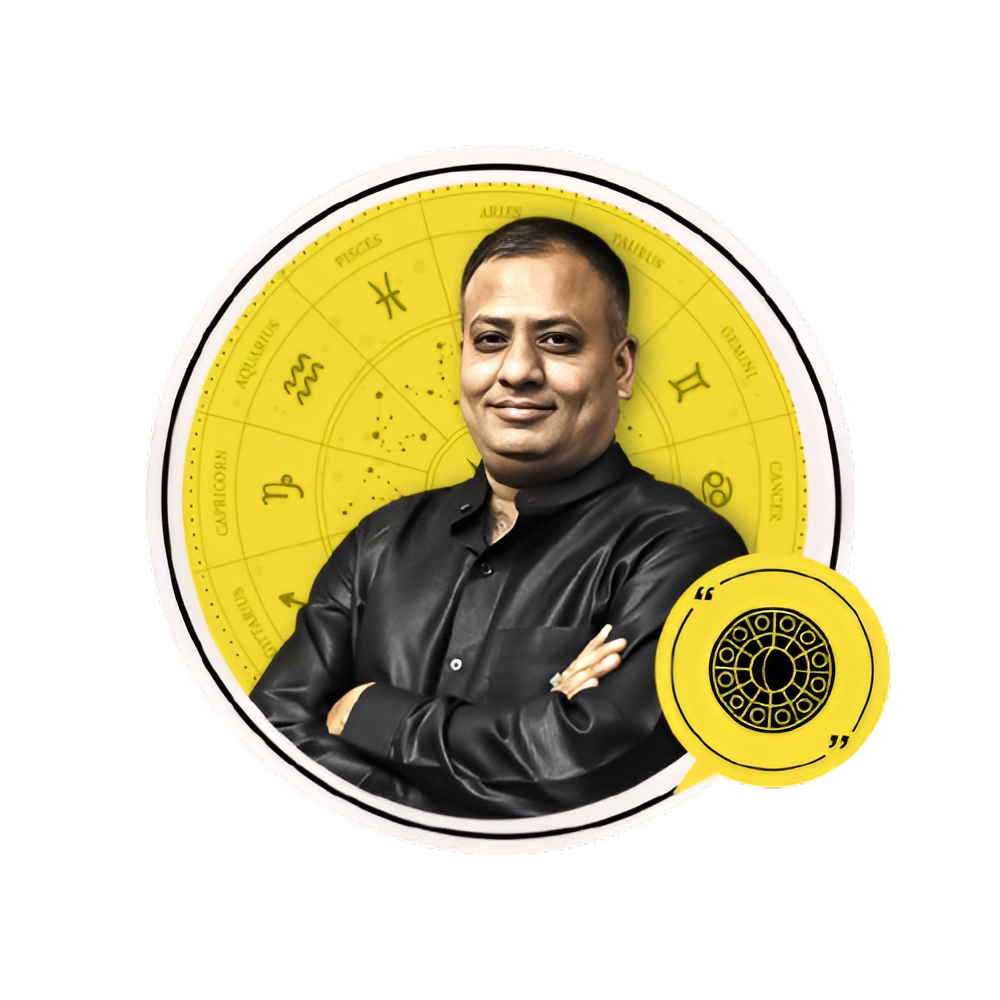
My dear seekers of cosmic wisdom and spiritual well-being,
Welcome back to abhisheksoni.in, your trusted guide on the journey through the celestial realms and their profound impact on our lives. As an astrologer deeply immersed in the ancient Vedic traditions, there are few days that resonate with as much potent energy and spiritual significance as Ekadashi. And when it’s Ekadashi today, the air itself feels charged with a unique potential for transformation.
Many of you might be familiar with Ekadashi as a day of fasting, a day to abstain from grains, or perhaps even a day dedicated to Lord Vishnu. But have you ever truly pondered the deep, intricate relationship between this auspicious day and the magnificent celestial body that governs our emotions and mind – the Moon?
Today, let’s embark on a fascinating journey to uncover the profound lunar secrets of Ekadashi and understand why this particular day holds such immense spiritual power. It’s not just about a ritual; it’s about aligning ourselves with the cosmic rhythm, leveraging lunar energies for our highest good, and tapping into a reservoir of spiritual strength that lies within us, waiting to be awakened.
What Exactly is Ekadashi? Understanding the Lunar Calendar
The word "Ekadashi" itself is derived from Sanskrit, where "Eka" means one and "Dashi" means ten, literally translating to "eleven". It refers to the eleventh day of each fortnight in the Hindu lunar calendar. Since a lunar month has two fortnights – the Shukla Paksha (waxing moon) and the Krishna Paksha (waning moon) – Ekadashi occurs twice every lunar month. This means we have approximately 24 Ekadashis in a year, sometimes 26 in a leap year.
Each Ekadashi has its own unique name and associated legends, often linked to a specific manifestation of Lord Vishnu or a particular spiritual benefit. From the purifying powers of Papamochani Ekadashi to the immense austerity of Nirjala Ekadashi, each one offers a distinct opportunity for spiritual growth. However, what remains constant across all of them is their intrinsic connection to the lunar cycle and the profound impact this celestial alignment has on us.
The lunar calendar, unlike the solar calendar, is deeply interwoven with the subtle energies of our planet and, more importantly, with the human psyche. The Moon, or Chandra in Vedic astrology, is considered the ruler of our mind, emotions, intuition, and even the water element within our bodies. Understanding Ekadashi requires us to first acknowledge this fundamental connection.
The Profound Lunar Connection: Mind, Body, and Spirit
Have you ever noticed how your moods can fluctuate with the phases of the moon? Or how the ocean tides are directly controlled by the Moon's gravitational pull? These are not mere coincidences; they are tangible evidences of the Moon's profound influence on Earth and its inhabitants. We, as human beings, are composed of approximately 70% water, making us incredibly susceptible to lunar energies.
The Moon's Influence on Earth and Humans
The Moon acts as a powerful magnet, pulling at everything containing water. While its effect on the vast oceans is visibly dramatic, its subtle pull on the fluids within our bodies, our blood, lymph, and even the cerebral spinal fluid, is equally significant, albeit less obvious. In Vedic astrology, the Moon is known as the 'Manas Karaka' – the significator of the mind. It governs our thoughts, feelings, perceptions, and our emotional stability. A strong Moon in one's birth chart often indicates a calm, balanced, and intuitive mind, while an afflicted Moon can lead to emotional turbulence, anxiety, and restlessness.
Ekadashi's Special Energy: A Cosmic Alignment
On Ekadashi, the Moon's position relative to the Earth and the Sun creates a unique energetic resonance. While the exact scientific explanation is complex and still largely explored through ancient wisdom, the traditional understanding is that on this particular day, the Moon's gravitational pull has a specific effect on the Earth and, consequently, on the water content within our bodies. This influence is said to be particularly potent on the eleventh day.
When the Moon is at its eleventh phase, either waxing or waning, there's a particular energetic shift. This shift impacts not just our physical body but also our subtle energy channels, or nadis, and our mental faculties. The traditional belief is that on Ekadashi, the impurities and toxins within our system are more easily stirred up and can be eliminated effectively. Similarly, our mental energies are also heightened, making it an ideal day for introspection and spiritual practices.
Spiritual Perspective: Detoxification and Higher Consciousness
From a spiritual standpoint, Ekadashi is a day when our consciousness becomes more receptive to higher vibrations. The lunar energy supports us in turning our focus inwards, away from the usual distractions of the material world. It creates an auspicious window for:
- Physical Detoxification: Fasting on Ekadashi is a time-honored practice to cleanse the body, giving the digestive system a much-needed rest. This allows the body to redirect its energy towards healing and purification.
- Mental Clarity: By consciously abstaining from certain foods and mundane activities, we reduce the burden on our minds, allowing for greater clarity, focus, and a quieter internal dialogue.
- Spiritual Upliftment: The specific lunar energy amplifies the efficacy of spiritual practices such as meditation, chanting, and prayer, making it easier to connect with the divine.
Think of it as a cosmic tune-up for your mind, body, and soul. The Moon, in its Ekadashi phase, acts as a benevolent guide, inviting you to shed what no longer serves you and embrace a state of greater purity and peace.
Why Observe Ekadashi? Unlocking Its Spiritual Power
The benefits of observing Ekadashi extend far beyond simple rituals. It's a holistic practice designed to purify, uplift, and connect us to a deeper spiritual dimension. For centuries, sages and spiritual aspirants have leveraged this powerful day for profound transformation.
Purification: A Three-Fold Cleansing
- Physical Purification: As mentioned, fasting gives your digestive system a break, allowing your body to cleanse itself of toxins. Many traditional texts emphasize that eating grains on Ekadashi is particularly detrimental, as grains are believed to attract and store negative energies and block the subtle energy channels on this day.
- Mental Purification: By consciously detaching from sensory pleasures (like food) and engaging in spiritual practices, we purify our minds of negative thoughts, desires, and attachments. It's an exercise in self-control and mindfulness.
- Spiritual Purification: Observing Ekadashi with devotion is believed to purify past karmic reactions, paving the way for spiritual advancement and liberation. It's a powerful tool for self-realization.
Enhanced Meditation & Prayer
On Ekadashi, the subtle energies of the cosmos are said to be more accessible. This makes it an ideal day for intensifying your meditation practice, offering prayers, and engaging in mantra chanting. You might find your mind calmer, your focus sharper, and your connection to the divine more palpable. The lunar influence acts as a spiritual amplifier, making your efforts more potent.
Blessings and Karma Neutralization
Vedic scriptures are replete with stories and promises regarding the immense benefits of observing Ekadashi. It is believed that observing Ekadashi can:
- Accumulate immense spiritual merit (punya).
- Neutralize the effects of past sins or negative karma.
- Fulfill pious desires and bring material and spiritual prosperity.
- Bestow peace, happiness, and ultimate liberation (moksha).
While the focus should always be on devotion and purification rather than seeking rewards, these traditional beliefs highlight the profound spiritual significance attributed to this sacred day.
Connecting with Vishnu/Krishna
Ekadashi is primarily dedicated to Lord Vishnu, the Preserver of the Universe. It is believed that observing Ekadashi pleases Lord Vishnu immensely and invites His divine blessings. Chanting the names of Vishnu, reciting the Vishnu Sahasranamam, or engaging in devotion to any of His forms (like Krishna or Rama) is highly recommended on this day. The very act of observing Ekadashi is an act of love and devotion towards the divine.
Practical Guide to Observing Ekadashi: Insights and Remedies
Now, let's get practical. How can you, in your modern life, effectively observe Ekadashi and harness its incredible power? Remember, the intention behind your actions is paramount.
Fasting (Vrat): Listen to Your Body
Fasting on Ekadashi is a central practice, but it's crucial to understand that there are different levels, and one size does not fit all. The goal is purification, not self-inflicted harm.
Types of Fasts:
- Nirjala Vrat: A complete fast, abstaining from both food and water for 24 hours. This is the most austere form and should only be undertaken by those in excellent health and with strong willpower. It's not recommended for beginners.
- Phalahar Vrat: Consuming only fruits, milk, nuts, and specific vegetables (like potatoes, sweet potatoes). This is a very common and manageable fast.
- Partial Fast (No Grains/Legumes): The most common form, where one abstains from grains (rice, wheat, barley, corn, oats), legumes (beans, lentils, peas), and certain spices (onion, garlic, mustard seeds). You can consume fruits, dairy products, nuts, specific non-grain flours (like kuttu/buckwheat, singhara/water chestnut, sabudana/tapioca), and certain vegetables.
What to Avoid (Generally):
- Grains: Rice, wheat, barley, corn, oats, semolina (sooji), millets (bajra, jowar).
- Legumes & Pulses: All types of beans (kidney beans, chickpeas), lentils (dal), peas.
- Certain Spices: Onion, garlic, mustard seeds, fenugreek seeds, asafoetida.
- Common Salt: Many prefer to use rock salt (sendha namak) instead.
- Non-vegetarian food.
- Intoxicants: Alcohol, tobacco, caffeine (though some allow tea/coffee without milk/sugar if it helps manage headaches).
What to Consume (Permissible Foods for Partial Fast):
- Fruits: All fresh fruits.
- Dairy: Milk, yogurt, paneer, ghee.
- Nuts & Seeds: Almonds, walnuts, cashews, peanuts, sunflower seeds, pumpkin seeds.
- Vegetables: Potatoes, sweet potatoes, spinach, tomatoes, cucumbers, bottle gourd, pumpkin (specific types).
- Flours: Kuttu (buckwheat) flour, Singhara (water chestnut) flour, Sabudana (tapioca pearls) flour, Rajgira (amaranth) flour.
- Spices: Cumin powder, ginger, green chilies, black pepper, sendha namak (rock salt).
Parana (Breaking the Fast):
This is as important as the fast itself! The fast must be broken during a specific window (Parana time) on the day following Ekadashi. This window is calculated astrologically and varies based on location and the specific Ekadashi. You can find these timings on reliable Hindu calendars or online resources. Breaking the fast too early or too late is believed to negate the benefits.
Generally, the fast is broken by consuming a small amount of grain or a specific pulse (like urad dal in some traditions) during the Parana window. This ritualistic breaking signifies the completion of the vrat. Always break your fast gently, starting with light, easily digestible foods.
Beyond Food: Mental and Spiritual Practices
Ekadashi is not just about abstaining from food; it's about abstaining from negative thoughts, words, and actions. It's a day for spiritual introspection and devotion.
- Mantra Chanting: Engage in extensive chanting of Vishnu mantras. The most powerful are "Om Namo Bhagavate Vasudevaya" and the Hare Krishna Maha-mantra (Hare Krishna, Hare Krishna, Krishna Krishna, Hare Hare / Hare Rama, Hare Rama, Rama Rama, Hare Hare). Chanting purifies the mind and connects you to divine energy.
- Meditation: Dedicate more time to meditation. Focus on your breath, visualize your chosen deity, or simply sit in silent contemplation. The lunar energy will support deeper states of awareness.
- Reading Scriptures: Read sacred texts like the Bhagavad Gita, Srimad Bhagavatam, Vishnu Sahasranamam, or stories of Lord Vishnu. This nourishes the soul and keeps your mind focused on spiritual matters.
- Charity (Dana): Offer charity to the needy, donate to temples, or engage in selfless service (seva). Acts of kindness are amplified on this auspicious day.
- Avoid Mundane Activities: Try to minimize engaging in gossip, arguments, excessive sleep, watching too much television, or indulging in sensory pleasures. The idea is to conserve your energy and direct it towards spiritual pursuits.
- Practice Celibacy: Many traditions recommend observing celibacy on Ekadashi to conserve vital energy for spiritual practices.
Example Daily Schedule for Ekadashi (Partial Fast)
Here’s a sample schedule to give you an idea of how to plan your day on Ekadashi:
- Early Morning (before sunrise): Wake up, take a purifying bath.
- Morning Prayers/Meditation: Dedicate at least 30-60 minutes to chanting, meditation, or reading scriptures.
- Light Breakfast (if applicable): If not a Nirjala fast, have some fruits, nuts, or milk.
- Throughout the Day: Engage in your regular work, but keep your mind focused on spiritual thoughts. Listen to devotional music, podcasts, or audiobooks during commutes or breaks. Avoid heavy physical exertion.
- Lunch (if applicable): A simple Ekadashi-compliant meal (e.g., kuttu roti with potato curry, or a fruit salad).
- Afternoon: More spiritual reading or quiet contemplation. Avoid napping if possible, or keep it short.
- Evening: Attend an Aarti (lamp ceremony) at a temple if possible, or perform one at home. Dedicate time to evening prayers and chanting.
- Dinner (if applicable): Another light Ekadashi-compliant meal or simply fruits.
- Before Sleep: A few minutes of quiet prayer or gratitude. Aim for an early and peaceful sleep.
- Next Morning (Parana Day): Wake up, offer prayers, and break your fast within the specified Parana window with a small amount of traditional food.
Modern Living and Ekadashi: Adaptability and Personal Connection
I often hear from clients, "Abhishek ji, how can I observe Ekadashi with my busy work schedule and family commitments?" My answer is always the same: Intention is everything.
You don't need to quit your job or isolate yourself to observe Ekadashi. The spirit of the day is about making a conscious effort to connect with the divine and purify yourself. If a Nirjala fast is impossible due to health or work, choose a Phalahar or a partial fast. If you can't dedicate hours to chanting, even 15-20 minutes with sincere devotion will yield immense benefits.
The goal is not to create a burden but to establish a spiritual discipline that brings joy and peace. Many find that observing Ekadashi, even in a modified way, brings greater clarity, reduces stress, and enhances emotional balance. It's a powerful reminder to prioritize our spiritual well-being amidst the demands of material life.
Start small. Perhaps just abstaining from grains for one Ekadashi. Then, gradually add more spiritual practices as you feel comfortable. The key is consistency and genuine devotion, rather than rigid adherence that leads to frustration.
The Astrological Significance of Ekadashi
From an astrological perspective, the Moon (Chandra) is a pivotal planet. Its transit through different nakshatras (lunar mansions) on Ekadashi days adds another layer of unique energy. Each Ekadashi, depending on which nakshatra the Moon is in, carries a slightly different energetic flavor and spiritual benefit.
For individuals with a prominent Moon in their birth chart – perhaps as their ascendant lord, or if they are undergoing a Moon Dasha (planetary period) – the effects of Ekadashi can be felt even more intensely. Observing Ekadashi is also a powerful remedy for those experiencing Chandra Dosha (afflictions related to the Moon) in their horoscope, which can manifest as emotional instability, anxiety, or difficulties in relationships. Fasting and praying on Ekadashi can help pacify the Moon and bring emotional peace and mental strength.
Furthermore, the position of other planets on Ekadashi can also influence the collective energy. A skilled astrologer like myself can guide you on how to best leverage the specific planetary alignments on any given Ekadashi for your personal growth and well-being. This is where personalized insights become invaluable.
The Ekadashi tithi (lunar day) is considered inherently auspicious for spiritual practices. It’s a time when the veil between the material and spiritual realms is said to be thinner, making it easier to receive divine grace and guidance.
So, when you hear "Ekadashi today," understand that it’s not just another day. It’s a celestial invitation, a cosmic alignment designed to support your journey towards greater spiritual awareness and inner harmony. It's a powerful opportunity to cleanse, connect, and elevate your consciousness.
I encourage you to embrace this ancient wisdom. Even if it’s just for a few hours, or simply by committing to a mindful day, try to observe Ekadashi. You might be surprised by the profound peace and clarity it brings.
If you have questions about which type of fast is best for you, or how to integrate Ekadashi observance into your astrological remedies, please don't hesitate to reach out. At abhisheksoni.in, we are always here to guide you on your path to self-discovery and spiritual enlightenment.
May your Ekadashi be blessed with profound insights and unwavering devotion.

Astrologer Abhishek Soni
India's Top Celebrity Astrologer | 50,000+ Consultations | Vedic Astrology, Numerology & Vastu Expert
Book Consultation