Ekadashi Today: Harnessing the Powerful Cosmic Energy Vortex
My dear seekers of wisdom, namaste! Today is Ekadashi, a day that holds a truly special place in the cosmic calendar. As an astrologer deeply immersed in the ancient Vedic sciences, I've witnessed fir...
My dear seekers of wisdom, namaste! Today is Ekadashi, a day that holds a truly special place in the cosmic calendar. As an astrologer deeply immersed in the ancient Vedic sciences, I've witnessed firsthand the profound impact of aligning with the energies of this auspicious day. It's far more than just a fast; it's an opportunity to tap into a powerful, swirling vortex of cosmic energy, a unique window for spiritual growth, mental clarity, and physical rejuvenation.
In our modern, fast-paced lives, it's easy to get swept away by the mundane, losing touch with the subtle rhythms of the universe. But Ekadashi offers us a sacred pause, a chance to recalibrate, to cleanse, and to elevate our consciousness. Let’s embark on a journey together to understand this incredible phenomenon and learn how you can harness its immense power for your own well-being.
Unveiling the Cosmic Energy Vortex on Ekadashi
To truly appreciate Ekadashi, we must first understand its astrological and energetic roots. The universe is a symphony of celestial movements, and nowhere is this more evident than in the dance between our Earth and its closest companion, the Moon.
The Astrological Basis: Our Lunar Link
The Moon, or Chandra as it's known in Vedic astrology, is a powerful celestial body that profoundly influences our planet and, crucially, us. We know it governs the tides of the oceans, but have you ever considered its impact on the 'tides' within your own body and mind? Our bodies are composed of approximately 70% water, and just as the Moon pulls the oceans, it subtly influences the fluids within us. This is why lunar cycles are so deeply connected to our emotional states and mental well-being.
Ekadashi literally means "eleventh" in Sanskrit, referring to the eleventh day of each lunar fortnight (Shukla Paksha or waxing moon, and Krishna Paksha or waning moon). There are typically 24 Ekadashis in a year, sometimes 26 in a leap year. On these particular eleventh days, the Moon's gravitational pull on Earth is believed to be particularly strong and unique. This intensified pull creates what I like to call a "cosmic energy vortex."
Imagine the Earth's atmosphere, and indeed our subtle energy bodies, being stirred by this lunar force. It's like a cosmic churning, and this churning has a specific effect: it can make our minds more agitated, more prone to restlessness, but also, paradoxically, more receptive to higher spiritual energies if channeled correctly. The ancient sages understood this profound connection, recognizing Ekadashi as an optimal time for introspection and spiritual discipline.
The Science and Spirituality Intertwined
While ancient wisdom often predates modern scientific validation, there's a growing recognition of the deep truths embedded in these practices. From a spiritual perspective, Ekadashi is a day when the subtle energies are aligned in a way that supports self-purification. It's believed that the negative planetary influences, particularly those affecting the mind, are attenuated, making it easier to control our senses and focus inward.
Ayurveda, the sister science of Vedic astrology, also champions the practice of fasting. It speaks of 'Agni,' the digestive fire, and how resting it periodically allows the body to cleanse accumulated toxins (ama). On Ekadashi, when the Moon's influence is heightened, the body’s natural cleansing mechanisms are believed to be more efficient. This isn't just about emptying the stomach; it's about purifying the entire system – body, mind, and spirit.
When we choose to observe Ekadashi, we are consciously stepping into this heightened energy field. We are not just performing a ritual; we are participating in a cosmic alignment, making ourselves receptive vessels for divine grace and accelerated growth. This isn't superstition; it's a sophisticated understanding of how the universe impacts our human experience.
Why Harnessing Ekadashi's Energy is Crucial for You
Now that we understand the energetic landscape of Ekadashi, let's explore the tangible benefits you can experience by consciously observing this powerful day.
Spiritual Growth and Inner Peace
This is perhaps the most profound benefit of Ekadashi. The very act of observing Ekadashi is a spiritual discipline (tapasya) that cultivates inner strength and devotion. By voluntarily abstaining from food or certain activities, we exercise control over our senses and desires. This practice directly supports:
- Accelerated spiritual progress: The concentrated energy of Ekadashi acts as a catalyst, propelling you forward on your spiritual path.
- Enhanced devotion: By focusing your mind on divine contemplation, chanting, and prayer, your connection to the divine deepens significantly.
- Detachment from material desires: Fasting helps us realize that true happiness isn't dependent on external gratification, fostering a sense of inner contentment.
- Increased self-awareness: When the usual distractions of food and mundane activities are removed, you gain a clearer perspective on your thoughts, emotions, and true self.
Physical Well-being and Detoxification
The physical benefits of periodic fasting are increasingly recognized even by modern science. On Ekadashi, these benefits are amplified due to the unique cosmic energies:
- Digestive system rest: Giving your digestive organs a break allows them to repair and rejuvenate, leading to improved digestion on other days.
- Cellular detoxification: Fasting triggers autophagy, a cellular self-cleansing process where cells remove damaged components, promoting cellular renewal.
- Boosted metabolism: Short-term fasting can improve insulin sensitivity and metabolic flexibility.
- Increased energy and clarity: Many people report feeling lighter, more energetic, and mentally sharper after an Ekadashi fast. The energy typically used for digestion is redirected.
Mental Clarity and Emotional Balance
As the Moon directly influences the mind, Ekadashi is an exceptional day for mental and emotional purification:
- Reduced mental agitation: The disciplined nature of Ekadashi helps to quiet the 'monkey mind,' reducing anxiety and restlessness.
- Enhanced focus and concentration: Without the demands of digestion, the mind becomes clearer and more capable of sustained focus, benefiting meditation and study.
- Emotional regulation: The practice of self-control on Ekadashi strengthens your willpower, making you more adept at managing your emotions in daily life.
- Stress reduction: Engaging in spiritual practices and detaching from worldly concerns provides a deep sense of peace and reduces stress.
Practical Ways to Observe Ekadashi and Tap into its Power
Observing Ekadashi isn't about rigid adherence to rules, but about conscious participation. It's about making an effort to align, to elevate, and to grow. Here’s how you can approach it practically:
Preparing Your Mind and Body
The journey of Ekadashi begins even before the day itself. A little preparation goes a long way:
- The day before: Try to eat light, wholesome meals the day before Ekadashi. Avoid heavy, processed, or non-vegetarian foods. This eases your body into the fast.
- Set your intention: This is paramount. Before Ekadashi begins, take a moment to reflect on why you are observing it. Is it for spiritual growth, health, peace, or to offer devotion? A clear intention amplifies the benefits exponentially.
- Inform your household: If you live with others, let them know your plans so they can be supportive and understand your dietary changes for the day.
The Art of Fasting (and Alternatives)
Fasting on Ekadashi is a core practice, but it's important to listen to your body and choose a method that is sustainable and beneficial for you. Remember, the goal is spiritual elevation, not physical suffering.
- Nirjala Vrat (Waterless Fast): This is the strictest form, where no food or water is consumed from sunrise on Ekadashi until sunrise the next day (Parana). This is for those with strong willpower and good health.
- Phalahar Vrat (Fruit Fast): Consuming only fruits, nuts, and dairy products (milk, yogurt, paneer). Some people also include root vegetables like potatoes or sweet potatoes, prepared without grains or regular salt.
- Jal Vrat (Water-only Fast): Consuming only water throughout the day.
- Partial Fast: Avoiding grains (rice, wheat, corn, lentils), beans, and certain spices. You can consume fruits, vegetables (especially root vegetables), dairy, and specific Ekadashi-friendly flours like kuttu (buckwheat), singhara (water chestnut), or rajgira (amaranth). Use rock salt (sendha namak) instead of regular salt.
What if I can't fast? Please remember, your spiritual intention is what truly counts. If you have health conditions, are pregnant, elderly, or simply unable to fast due to physical limitations, do not feel guilty. You can still observe Ekadashi by:
- Avoiding grains and non-vegetarian food.
- Engaging in more spiritual practices (chanting, meditation, reading scriptures).
- Practicing selfless service or charity.
The underlying principle is to reduce distractions and turn your mind towards the divine.
Specific Rituals and Practices for Alignment
Beyond fasting, these practices help you fully immerse yourself in the Ekadashi energy:
- Early Morning Ablutions: Wake up before sunrise, take a bath, and wear clean clothes. This signifies inner and outer purity.
- Puja and Offerings: Dedicate time to your daily puja. Offer water, flowers, and incense to your deities, especially Lord Vishnu, as Ekadashi is particularly sacred to Him.
- Chanting Mantras: This is a powerful way to purify the mind and connect with divine vibrations. Chanting the Maha Mantra ("Hare Krishna Hare Krishna, Krishna Krishna Hare Hare, Hare Rama Hare Rama, Rama Rama Hare Hare") or other Vishnu mantras like "Om Namo Bhagavate Vasudevaya" is highly recommended. Aim for a specific number of rounds (e.g., 108, 1008).
- Reading Scriptures: Immerse yourself in spiritual texts such as the Bhagavad Gita, Srimad Bhagavatam, Vishnu Sahasranama, or other scriptures that inspire you.
- Meditation and Introspection: Sit in silence, observe your breath, and let your mind settle. Use this time for self-reflection, gratitude, and to connect with your inner wisdom.
- Avoid Distractions: Try to minimize engagement in worldly gossip, excessive entertainment (TV, social media), and strenuous physical activity. Keep your mind focused on spiritual pursuits.
- Satsang (Spiritual Company): If possible, spend time with like-minded individuals, discussing spiritual topics or performing devotional activities together.
The Significance of Parana (Breaking the Fast)
Just as important as observing the fast is knowing how and when to break it. The 'Parana' (breaking of the fast) has specific timing mentioned in the Panchang (Vedic calendar) and is crucial for deriving the full benefits of Ekadashi.
- Timing is key: Parana should be done during a specific window after sunrise on the Dwadashi (12th day). Consult a reliable Panchang or Ekadashi calendar for the exact Parana timings in your region.
- Simple, pure food: Break your fast with light, easily digestible foods. Traditionally, it's recommended to take a small amount of water with a tulsi leaf, followed by some fruits or a simple cooked meal without grains. Avoid heavy, oily, or processed foods immediately after a fast.
- Express gratitude: Offer thanks for the successful completion of your fast and the blessings received.
Beyond the Fast: Integrating Ekadashi Wisdom into Daily Life
The true power of Ekadashi lies not just in the single day's observance, but in how its lessons ripple into your everyday existence. It's a training ground for a more conscious and fulfilling life.
Cultivating Mindfulness Daily
The self-discipline and heightened awareness practiced on Ekadashi can be carried forward. The ability to observe your thoughts without judgment, to choose your actions consciously, and to find peace amidst activity are invaluable skills. Consider:
- Conscious eating: Pay attention to what and how you eat, not just on Ekadashi, but every day.
- Mindful speech: Be aware of the words you use, aiming for kindness and truth.
- Regular introspection: Dedicate a few minutes each day for quiet reflection, even if it's just 5-10 minutes.
The Ripple Effect of Good Karma
Ekadashi is an excellent day to engage in acts of charity (daan) and selfless service (seva). The spiritual merit (punya) accumulated on this day is believed to be manifold. By extending compassion and generosity, you not only help others but also purify your own heart and attract positive karmic returns. Consider:
- Donating food or money to those in need.
- Volunteering your time for a good cause.
- Offering sincere prayers for the well-being of all beings.
These actions, performed with a pure heart, amplify the blessings you receive from observing Ekadashi.
Addressing Common Questions and Misconceptions
Let's clear up a few common queries I often receive about Ekadashi:
Is it only for certain religions?
While Ekadashi has deep roots in Vedic traditions, its underlying principles of self-discipline, detoxification, and spiritual alignment are universal. Anyone, regardless of their religious background, can choose to observe it and experience its benefits. The focus is on inner transformation, which transcends external labels.
What if I miss an Ekadashi?
Life happens! If you genuinely miss an Ekadashi or are unable to observe it fully, do not dwell on guilt or self-reproach. The spiritual path is about continuous effort, not perfection. Simply make a fresh resolve to observe the next one. The universe is always offering new opportunities for growth.
Can children or the elderly fast?
For children, the elderly, pregnant or nursing women, and those with chronic health conditions, strict fasting is generally not recommended. However, they can still observe Ekadashi by avoiding grains, non-vegetarian food, and focusing on spiritual practices like chanting, prayer, and listening to discourses. The intention to connect with the divine is what matters most.
Your Personal Invitation to Cosmic Alignment
My dear friends, Ekadashi is not just another day on the calendar; it's a cosmic invitation. An invitation to pause, to purify, to ponder, and to profoundly connect with the subtle energies that govern our existence. It’s a powerful tool gifted by the ancient sages for our journey of self-discovery and spiritual awakening.
I encourage you to experience the magic of Ekadashi for yourself. Start small, if you must. Perhaps with a partial fast, or simply by dedicating more time to meditation and mantra chanting. Consistency and sincere intention are far more important than the rigidity of the fast itself. Over time, you will begin to notice the tangible shifts—a calmer mind, a lighter body, and a deeper sense of peace and connection. This sacred day is a reminder that we are not merely physical beings, but spiritual entities capable of incredible transformation when we align with the powerful rhythms of the cosmos.
May your Ekadashi be filled with profound insights, inner peace, and abundant blessings. Hari Om Tat Sat!

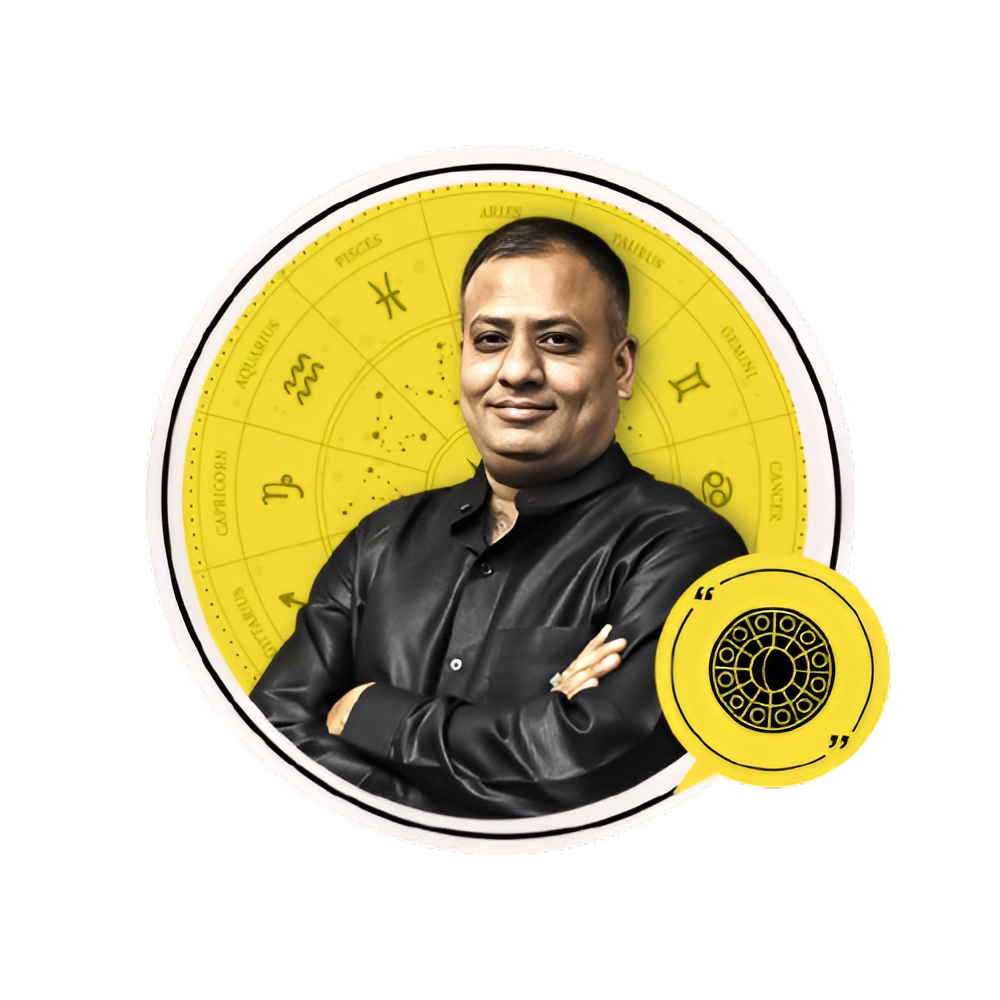
Astrologer Abhishek Soni
India's Top Celebrity Astrologer | 50,000+ Consultations | Vedic Astrology, Numerology & Vastu Expert
Book Consultation