Ekadashi Today: Master the Fasting Rules for Spiritual Benefits
Ekadashi Today: Master the Fasting Rules for Spiritual Benefits...
Ekadashi Today: Master the Fasting Rules for Spiritual Benefits
My dear friends, seekers of spiritual wisdom, and those on a journey of self-discovery! As an astrologer deeply rooted in the ancient traditions, I often witness the profound impact that observing sacred days can have on one's life. And among these, none shines quite as brightly, or carries as much spiritual potency, as Ekadashi. If you've landed on this page searching for "Ekadashi today" or wondering about the intricate "Ekadashi fast rules," then you've come to the right place. Today, let's embark on a journey to understand this auspicious day, its profound significance, and how to observe it correctly to reap a cascade of spiritual and physical benefits.
Ekadashi, derived from the Sanskrit words 'Eka' (one) and 'Dashi' (ten), signifying the eleventh day, is observed twice a month – during the waxing (Shukla Paksha) and waning (Krishna Paksha) phases of the moon. This sacred day is primarily dedicated to Lord Vishnu, the preserver of the universe, and its observance is believed to cleanse the soul of sins, grant liberation (moksha), and bestow immense spiritual merit. But it's more than just a ritual; it's a deep dive into self-discipline, devotion, and alignment with cosmic energies.
The Cosmic Connection: Why Ekadashi Matters
You see, the moon plays a significant role in Vedic astrology, governing our minds, emotions, and bodily fluids. On the eleventh day, both during the waxing and waning phases, the moon's gravitational pull is said to be particularly strong. This can affect our physiological and psychological states. Ancient sages, with their profound understanding of the cosmos and human physiology, prescribed fasting on Ekadashi as a way to harmonize our internal energies with these external forces. It's a method of detoxification, not just for the body, but for the mind and soul.
Observing the Ekadashi fast is an opportunity to:
- Purify the Body: Giving your digestive system a much-needed rest.
- Calm the Mind: Reducing mental chatter and increasing focus on spiritual pursuits.
- Strengthen Willpower: Practicing self-control and discipline.
- Enhance Devotion: Directing energy towards Lord Vishnu and spiritual contemplation.
- Accumulate Spiritual Merit: Believed to absolve sins and pave the way for liberation.
Many of my clients often ask, "Is it truly necessary to fast?" My answer is always: it's not about compulsion, but about conscious choice and intention. The spiritual benefits are profound, but the method matters. Let's delve into the practical "Ekadashi fast rules" that will guide you.
Mastering the Ekadashi Fast Rules: A Comprehensive Guide
The rules for observing Ekadashi are precise, rooted in centuries of tradition. While the core principle is abstinence from grains, the intensity of the fast can vary based on individual capacity and health. Here’s a detailed breakdown:
1. Preparation: The Day Before (Dashami)
The spiritual journey of Ekadashi actually begins on Dashami, the tenth day. To prepare your body for the fast and ensure effective cleansing, it's advised to:
- Eat light, sattvic food.
- Avoid heavy meals, non-vegetarian food, onion, garlic, and rich spices.
- Refrain from consuming rice, wheat, or lentils.
- Go to bed early to ensure sufficient rest.
This preparation helps in clearing the digestive tract and making the transition into the fast smoother.
2. On Ekadashi Day: The Core Fasting Rules
This is where the true observance begins. The most crucial aspect of the Ekadashi fast is the complete avoidance of specific grains and certain other foods. Here's what you need to know:
Forbidden Foods on Ekadashi
The cardinal rule of Ekadashi fasting is to abstain from certain food groups. These include:
- All Grains: This is the most important rule. Absolutely no rice, wheat, barley, maize, millet, semolina (sooji), or any products made from these (like bread, pasta, biscuits, or regular flours).
- Legumes and Pulses: Avoid all lentils (dal), beans (including chickpeas, kidney beans), and their flours (like besan).
- Certain Spices: Onion, garlic, mustard seeds, and asafoetida (hing) are strictly prohibited.
- Refined Oils: While some traditions permit ghee, many strictly avoid all types of cooking oils, especially refined ones. Use pure ghee or groundnut oil if necessary, but sparingly.
- Non-vegetarian Food: Meat, fish, and eggs are absolutely prohibited.
Why are these foods forbidden? Ancient texts suggest that these foods absorb negative energies and can hinder the spiritual purpose of the fast. Grains, in particular, are believed to carry the essence of sin on Ekadashi.
Permissible Foods on Ekadashi (Phalahari Fast)
For those who cannot observe a complete waterless fast, a 'Phalahari' fast is recommended. 'Phala' means fruit, so this type of fast primarily involves fruits. However, it extends to other permitted items:
- Fruits: All types of fresh fruits are allowed. Bananas, apples, grapes, oranges, pomegranates, melons, berries – enjoy them!
- Vegetables (Non-grain): Potatoes, sweet potatoes, raw bananas (kachcha kela), pumpkin, bottle gourd (lauki), cucumber, tomatoes, spinach, and other leafy greens are generally permitted. Avoid root vegetables like carrots and radishes in some traditions.
- Dairy Products: Milk, yogurt, paneer (cottage cheese), and ghee are allowed. Make sure dairy products are fresh and plain.
- Flours (Non-grain):
- Kuttu Atta (Buckwheat Flour): Used to make rotis, puris, or pakoras.
- Singhara Atta (Water Chestnut Flour): Similar uses as kuttu atta.
- Rajgira Atta (Amaranth Flour): Also popular for making flatbreads or porridge.
- Sabudana (Sago/Tapioca Pearls): Can be made into khichdi, vada, or kheer.
- Nuts and Dry Fruits: Almonds, walnuts, cashews, raisins, dates are excellent sources of energy.
- Spices (Permitted): Rock salt (Sendha Namak) is the only salt allowed. Black pepper, green chillies, ginger, cumin powder (jeera powder), and fresh coriander are generally acceptable.
- Sweets: Jaggery (gur) and sugar are allowed.
- Beverages: Water, fruit juices, milk, tea (without regular milk/sugar if possible, or with permitted alternatives), herbal teas.
Practical Tip: When preparing food for Ekadashi, ensure you use a separate cooking space or at least separate utensils that haven't come into contact with prohibited grains. This ensures the purity of the fast.
Types of Ekadashi Fasting
The intensity of your fast can vary. Choose what aligns with your health and spiritual goals:
- Nirjala Vrat (Waterless Fast): This is the strictest form, where one abstains from both food and water for the entire 24-hour period (from sunrise on Ekadashi to sunrise on Dwadashi). This is recommended only for those in excellent health and with strong willpower. Nirjala Ekadashi, occurring in May/June, is particularly significant for this observance.
- Phalahari Vrat (Fruit and Water Fast): As described above, consuming fruits, permissible vegetables, dairy, and water. This is the most common and manageable form of the fast for many.
- Dugdha Vrat (Milk Fast): Some choose to consume only milk and water throughout the day.
- Eka-bhukta Vrat (One-Meal Fast): For those with health concerns, a single meal of permissible foods (phalahari) is taken in the evening.
Always prioritize your health. If you have any medical conditions, are pregnant, elderly, or very young, consult with a doctor and choose a less rigorous fast or abstain from fasting altogether. Lord Vishnu values your devotion and well-being above strict adherence to rules that might harm you.
3. Activities to Embrace and Avoid on Ekadashi
Fasting is not just about food; it's about spiritual focus. To maximize the "spiritual benefits" of Ekadashi:
- Chant Mantras: Recite "Om Namo Bhagavate Vasudevaya" or other Vishnu mantras.
- Read Scriptures: Engage with texts like the Bhagavad Gita, Vishnu Sahasranama, or Srimad Bhagavatam.
- Meditate: Dedicate time to silent contemplation and introspection.
- Visit Temples: Offer prayers to Lord Vishnu.
- Perform Charity (Daan): Donate food, clothes, or money to the needy.
- Wake Up Early (Brahmamuhurta): Utilize the auspicious hours for spiritual practices.
- Stay Awake (Jagran): Some devotees stay awake all night, chanting and praying.
Activities to avoid on Ekadashi:
- Sleeping during the day: This is generally discouraged.
- Shaving, Haircuts, Nail Cutting: Avoid these personal grooming activities.
- Physical Intimacy: Abstain from sexual activity.
- Gossiping, Arguing, Lying: Maintain purity in thought, word, and deed.
- Excessive Talking or Entertainment: Focus on inner peace and devotion.
4. Breaking the Fast: Dwadashi (The Day After)
Just as important as observing the fast is knowing how to break it correctly. This ritual, known as 'Parana', must be done within a specific time window on Dwadashi, the twelfth day. Missing this window is considered an offense.
Ekadashi Parana Time
The Parana time is usually given by local panchang (Hindu calendar) and is typically between sunrise and a certain time on Dwadashi. This window is crucial. You can find the exact Parana time for "Ekadashi today" by checking a reliable Hindu calendar or an astrological app.
How to Break the Fast:
- Consume Grains: The fast is traditionally broken by consuming a small amount of grain, particularly rice. Some traditions also suggest a tulsi leaf with water.
- Offer Prayers: Before breaking the fast, offer prayers to Lord Vishnu, thanking Him for His blessings and seeking forgiveness for any unintentional mistakes during the fast.
- Sattvic Meal: After Parana, you can have a regular sattvic meal, again avoiding heavy, non-vegetarian, onion, or garlic-laden foods for the rest of the day.
Important Note on Harivasara: Sometimes, the Dwadashi Tithi (the twelfth lunar day) might end before the sunrise of the next day, or a specific period called 'Harivasara' might overlap. Harivasara is the last quarter of Ekadashi and the first quarter of Dwadashi. It is considered inauspicious to break the fast during Harivasara. Always check the astrological calendar for precise Parana times and any Harivasara considerations.
Practical Insights and Remedies
Observing Ekadashi, while deeply spiritual, can also be a physical challenge for many. Here are some practical insights and remedies I share with my clients:
Preparing Your Body and Mind
- Hydration: If you're doing a Phalahari fast, stay well-hydrated with water, coconut water, or fresh fruit juices.
- Light Meals: On Dashami, eat a very light dinner to ease into the fast.
- Plan Your Day: Minimize strenuous physical activity on Ekadashi. Dedicate time for meditation and spiritual reading.
- Mindset: Approach the fast with devotion and a positive attitude. Remind yourself of the spiritual purpose.
Dealing with Hunger and Cravings
- Distraction: Engage in spiritual activities, read, or listen to discourses to distract your mind from hunger.
- Herbal Teas: Ginger tea or mint tea can sometimes help soothe an empty stomach and curb cravings (ensure no prohibited ingredients).
- Small, Frequent Meals (for Phalahari): Instead of large meals, opt for smaller, more frequent portions of permissible foods to keep your energy levels stable.
- Warm Water: Sipping warm water can sometimes alleviate hunger pangs.
Astrological Remedies and Enhancements
As an astrologer, I always emphasize that Ekadashi is a powerful day to mitigate planetary afflictions, especially those related to the Moon and Jupiter (Guru). Lord Vishnu is the presiding deity of Jupiter, and fasting on Ekadashi strengthens this planet in your chart, bringing wisdom, prosperity, and spiritual growth.
- Tulasi Puja: Offer water and light a lamp to the Tulasi plant. Circumambulate it 11 or 21 times. Tulasi is immensely sacred to Lord Vishnu.
- Vishnu Sahasranama: Reciting the thousand names of Lord Vishnu on Ekadashi is highly potent for gaining divine blessings and clearing obstacles.
- Donation: Donating yellow items (associated with Jupiter and Vishnu) like lentils (chana dal), turmeric, or yellow clothes to Brahmins or the needy is considered very auspicious.
- Panchamrit Abhishek: If possible, perform or participate in a Panchamrit Abhishek (bathing of the deity with five nectars) of Lord Vishnu's idol.
Common Mistakes to Avoid
While the intention is key, correct observance ensures the full benefits. Here are some common pitfalls to avoid:
- Incorrect Parana: Breaking the fast outside the prescribed Parana window, or breaking it with prohibited foods.
- Consuming Prohibited Grains: Accidentally or intentionally eating rice, wheat, or lentils. Be very careful about hidden ingredients in packaged foods.
- Fasting without Devotion: Observing the fast merely as a ritual or for physical benefits, without nurturing devotion to Lord Vishnu, diminishes the spiritual returns.
- Overeating Permitted Foods: Even though fruits and specific flours are allowed, the spirit of the fast is moderation. Overindulging defeats the purpose of giving your digestive system a rest.
- Ignoring Health Conditions: Fasting strictly when medically advised against it. Your well-being is paramount.
The Profound Impact of Consistent Ekadashi Observance
Over time, consistent observance of Ekadashi can bring about remarkable transformations. You might notice:
- Enhanced Mental Clarity: A calmer mind, improved decision-making, and reduced anxiety.
- Better Physical Health: Improved digestion, detoxification, and increased energy levels.
- Deeper Spiritual Connection: A stronger sense of peace, a heightened feeling of devotion, and a clearer spiritual path.
- Astrological Harmony: A more balanced planetary influence in your birth chart, particularly benefiting your Moon and Jupiter, leading to greater overall well-being and fortune.
My dear readers, whether you're observing "Ekadashi today" for the very first time or have been a dedicated practitioner for years, remember that it's a sacred opportunity. It's a day to step back from the mundane, to cleanse, to reflect, and to reconnect with the divine essence within and around you. It's a powerful tool for spiritual growth, personal discipline, and attracting the benevolent grace of Lord Vishnu into your life.
Embrace this auspicious day with a pure heart and a focused mind. The rewards, both seen and unseen, are truly immeasurable. If you ever have specific astrological queries regarding your Ekadashi observance or wish to understand its unique impact on your birth chart, feel free to reach out. May Lord Vishnu bless your spiritual journey.

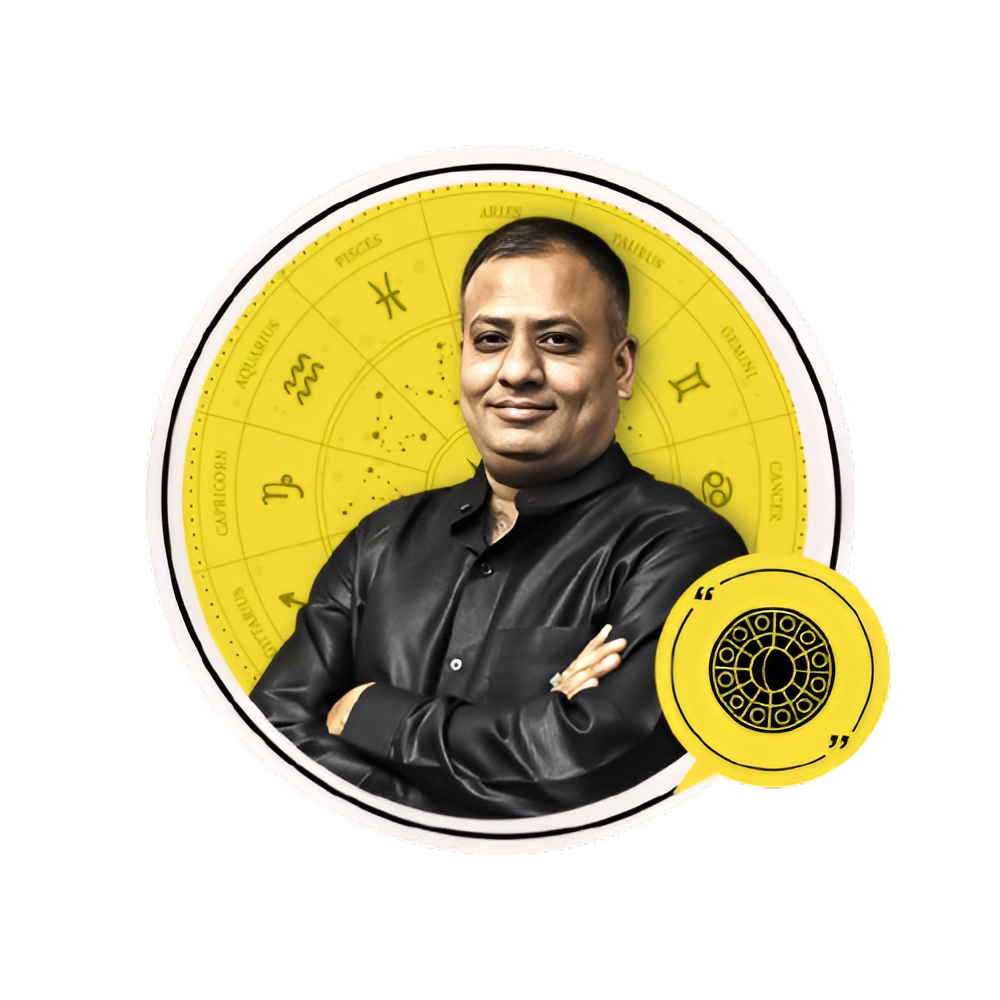
Astrologer Abhishek Soni
India's Top Celebrity Astrologer | 50,000+ Consultations | Vedic Astrology, Numerology & Vastu Expert
Book Consultation