Ekadashi Today: Understanding the Profound Significance of This Hindu Fast
Ekadashi Today: Understanding the Profound Significance of This Hindu Fast...
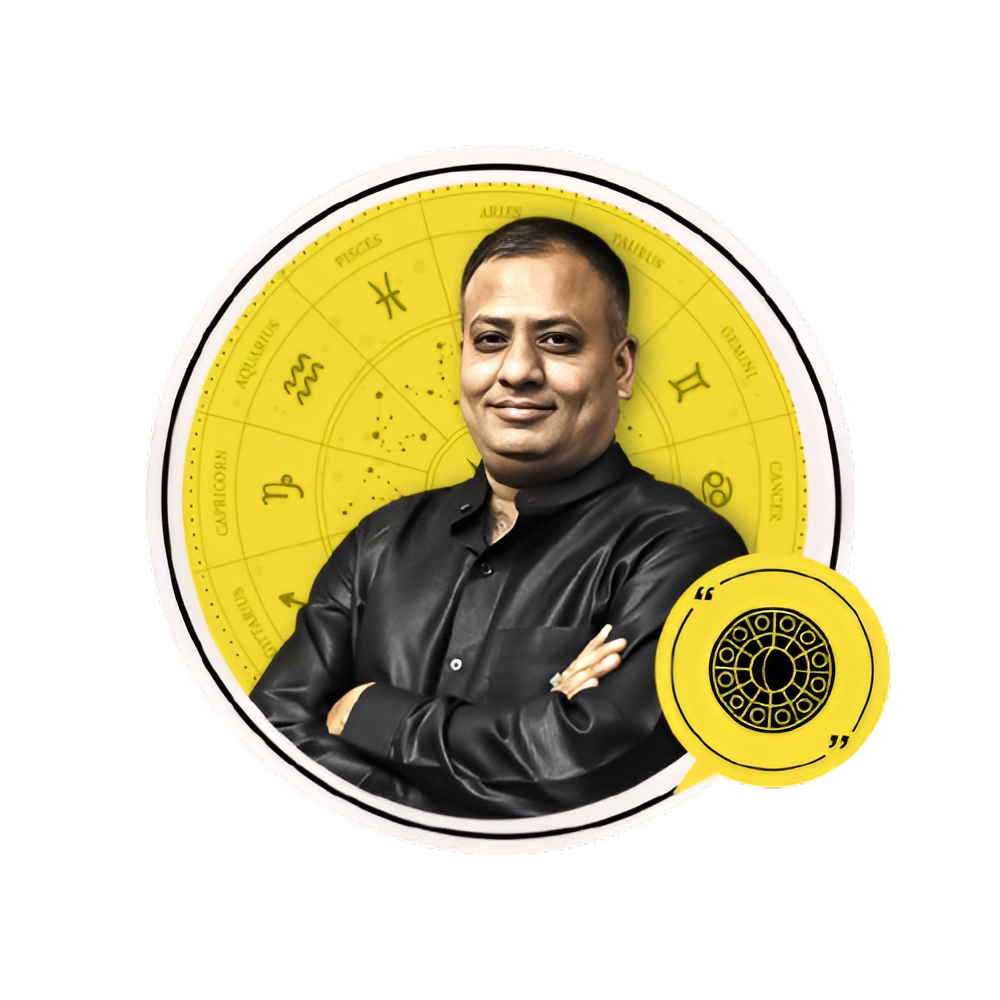
Ekadashi Today: Understanding the Profound Significance of This Hindu Fast
My dear seekers of wisdom, Namaste. As an astrologer deeply immersed in the rhythms of the cosmos and the ancient wisdom of Sanatana Dharma, I often find myself reflecting on the profound practices that connect us to something much larger than ourselves. Today, as the energies of Ekadashi grace us, I feel compelled to share with you the true essence, the deep significance, and the practical beauty of observing this sacred Hindu fast.
Many of you might hear "Ekadashi" and think immediately of fasting, of abstaining from food and water. While that is certainly a central aspect, I want us to delve deeper. Let's uncover the astrological underpinnings, the spiritual benefits, and the personal transformation that this powerful day offers. It's not just about what you give up; it's about what you gain.
Welcome to the Sacred Rhythm: What is Ekadashi?
Let's start with the basics, shall we? The word Ekadashi itself means "eleven" in Sanskrit. It refers to the eleventh lunar day (tithi) of each of the two lunar fortnights – the Shukla Paksha (waxing moon) and the Krishna Paksha (waning moon) – in a Hindu calendar month. This means there are typically two Ekadashis in every lunar month, making it a regular and potent opportunity for spiritual cleansing and introspection.
For millennia, sages, devotees, and spiritual aspirants have observed Ekadashi as a special day dedicated to Lord Vishnu, the preserver of the universe. It's a day for spiritual discipline, self-control, and deepening one's connection with the divine. From an astrological standpoint, it's a day when the moon's influence is particularly strong, making it an opportune time to harmonize our inner energies.
The Astrological Tapestry of Ekadashi: Why Now?
As an astrologer, I see the cosmos as a grand, intricate clock, and every celestial movement impacts us. The moon, in particular, plays a monumental role in our lives. It governs our emotions, our mind, our bodily fluids, and our overall mental well-being. The very word "lunatic" stems from the moon's perceived influence on mental states!
The Moon's Potent Influence on the Eleventh Tithi
On the eleventh lunar day, the moon's gravitational pull and its energetic influence are said to be especially significant. Think about the tides – they are directly controlled by the moon. Similarly, our bodies, which are about 70% water, are subtly yet profoundly affected by these lunar rhythms. When the moon is close to its full or new phase (which Ekadashi often precedes or follows by a few days), its energetic pull can intensify.
Fasting on Ekadashi isn't merely a religious decree; it's a scientifically sound practice designed to counteract potential imbalances caused by these lunar energies. When we fast, especially from grains, which are said to absorb more lunar energy, we effectively lighten the load on our digestive system and allow our bodies to rebalance. This leads to a calmer mind, clearer thoughts, and a heightened state of awareness.
From a Vedic astrological perspective, observing Ekadashi helps to strengthen the moon in your birth chart, leading to greater emotional stability, peace of mind, and improved intuition. It also pacifies any malefic influences related to the moon or certain planetary periods (dashas) you might be experiencing. It’s a powerful tool for astrological remediation, readily available to everyone.
Beyond Abstinence: The Multifaceted Benefits of Observing Ekadashi
While the act of fasting is central, the true magic of Ekadashi lies in its holistic impact. It nourishes you on multiple levels – spiritual, physical, and mental.
Spiritual Benefits: A Pathway to Inner Peace
- Purification of Karma: It is believed that observing Ekadashi sincerely can help cleanse accumulated sins and negative karma, paving the way for spiritual growth and a lighter heart.
- Closer to Lord Vishnu: This day is particularly sacred to Lord Vishnu. Fasting and chanting on Ekadashi are considered direct ways to invoke His blessings, fostering a deeper connection with the divine preserver.
- Enhanced Devotion (Bhakti): The discipline of Ekadashi strengthens your resolve and devotion, turning your focus inwards and upwards. It's a practice of self-surrender and faith.
- Spiritual Merit (Punya): The scriptures promise immense spiritual merit for those who observe Ekadashi with sincerity, leading to auspicious outcomes in this life and beyond.
Physical Benefits: Rejuvenating the Body Temple
- Digestive Rest: Fasting gives your digestive system a much-needed break. Modern diets often overload our bodies, and a periodic fast allows the digestive organs to repair and rejuvenate.
- Detoxification: It aids in the natural detoxification process, helping the body eliminate toxins, leading to clearer skin, more energy, and improved overall health.
- Improved Metabolism: Regular fasting can help regulate metabolism, improve insulin sensitivity, and assist in weight management (if done correctly and safely).
- Cellular Repair: Intermittent fasting, which Ekadashi essentially is, has been linked to cellular repair processes and even increased longevity by activating autophagy.
Mental & Emotional Benefits: Clarity and Calm
- Mental Clarity: When the body is not burdened by digestion, the mind becomes clearer and sharper. Many report increased focus and concentration on Ekadashi.
- Emotional Stability: By consciously controlling our desires (for food, comfort), we strengthen our willpower and gain greater mastery over our emotions. This leads to greater inner calm.
- Self-Discipline: Observing any fast requires self-discipline, and regularly practicing Ekadashi builds this vital trait, which spills over into all other areas of life.
- Reduced Cravings: It helps in breaking free from unhealthy eating patterns and cravings, fostering a healthier relationship with food.
How to Observe Ekadashi: A Practical Guide for Modern Devotees
Now, let's get practical. How does one observe Ekadashi in today's busy world? The beauty of Hindu traditions is their adaptability. The intent is always paramount.
Types of Ekadashi Fasts: Find Your Path
There isn't a single, rigid way to observe Ekadashi. It depends on your health, lifestyle, and spiritual inclination. The key is to choose a method that challenges you gently without harming your health.
- Nirjala Vrat (Waterless Fast): This is the strictest form, where one abstains from both food and water for 24 hours (from sunrise on Ekadashi to sunrise on Dwadashi). This is recommended only for those in excellent health and with strong willpower. It is considered highly meritorious.
- Phalahari Vrat (Fruit and Water Fast): In this fast, you consume only fruits, nuts, milk, and water. Grains, legumes, and certain spices are avoided. This is a very common and manageable form of fasting.
- Ekadashi with Samak Rice/Kuttu: Some observe Ekadashi by consuming specific flours like Kuttu (buckwheat flour), Singhara atta (water chestnut flour), or Samak rice (barnyard millet), along with fruits, vegetables, and dairy. These are considered non-grain options for the fast.
- Partial Fast/Sattvic Meal: If full fasting is not possible due to health reasons or other constraints, one can observe a partial fast by consuming only one sattvic (pure, light) meal without grains, onions, or garlic, or simply abstaining from specific foods.
What to Consume (and What to Avoid) on Ekadashi
Generally, on Ekadashi, the following are avoided:
- Grains: Rice, wheat, barley, corn, oats, all lentils and beans (dal, chana, rajma, etc.).
- Onions and Garlic: These are considered tamasic (heavy, dulling) and are generally avoided in sattvic diets, especially during fasting.
- Certain Spices: Turmeric, asafoetida, mustard seeds are sometimes avoided, though practices vary. Ginger, cumin, black pepper, and rock salt are generally permissible.
- Non-vegetarian food: Meat, fish, eggs are strictly avoided.
Permitted items include:
- Fruits: All fresh fruits.
- Vegetables: Potatoes, sweet potatoes, spinach, bottle gourd, pumpkin, tomatoes, cucumbers, carrots, and other non-grain vegetables.
- Dairy products: Milk, yogurt, paneer (cottage cheese), ghee.
- Nuts: Almonds, walnuts, cashews (unsalted).
- Flours: Kuttu (buckwheat), Singhara (water chestnut), Rajgira (amaranth) flour.
- Gourds: Bottle gourd, pumpkin, cucumber.
- Sweeteners: Jaggery, honey (in moderation).
- Salt: Only rock salt (sendha namak) is used.
Daily Rituals and Spiritual Practices
Beyond food, Ekadashi is a day for heightened spiritual practice:
- Early Morning Bath: Take a purifying bath, ideally before sunrise.
- Puja and Prayer: Offer prayers to Lord Vishnu or your chosen deity. Chanting the Maha Mantra (Hare Krishna Hare Krishna, Krishna Krishna Hare Hare, Hare Rama Hare Rama, Rama Rama Hare Hare) or Vishnu Sahasranama is highly recommended.
- Reading Scriptures: Dedicate time to reading sacred texts like the Bhagavad Gita, Srimad Bhagavatam, or stories of Lord Vishnu.
- Meditation and Chanting: Engage in meditation and silent chanting (japa) to keep your mind focused on the divine.
- Avoid Sleep: Some devotees try to avoid sleeping during the day, especially the afternoon, to maintain vigilance.
- Positive Thoughts: Maintain a positive, peaceful demeanor. Avoid anger, gossip, and unnecessary indulgence in worldly activities.
Breaking the Fast (Parana): The Conclusion
The fast is broken on the morning of Dwadashi, the twelfth lunar day, within a specific time window. This period (Parana time) is crucial and is often calculated based on local sunrise. Breaking the fast outside this period is considered to negate the benefits of the fast.
To break the fast, consume a small amount of a grain-based food, often rice or a simple Ekadashi-appropriate meal. It's not about feasting but gently reintroducing regular food. Offer gratitude before consuming.
Common Myths and Misconceptions About Ekadashi
As with any ancient tradition, myths and misconceptions can arise. Let's clarify a few:
- "Ekadashi is only for the elderly or very religious": Not at all! Ekadashi is for anyone seeking spiritual growth, mental clarity, or physical well-being. It's a practice that benefits all ages (with suitable modifications for children, pregnant women, or those with health conditions).
- "You must do Nirjala Vrat for it to count": This is a common misconception. While Nirjala is highly potent, sincerity and intent are more important than the strictness of the fast. Choose a fast that is sustainable and healthy for you.
- "Fasting is about starving yourself": Ekadashi is about conscious abstention and redirection of energy, not self-punishment or starvation. It's a joyful sacrifice, not a burden.
- "If you accidentally eat a grain, the fast is broken and wasted": While purity is strived for, an accidental oversight does not negate your entire devotion. Repent, pray, and continue with your resolve. The intention behind your fast is paramount.
Ekadashi for Everyone: Tailoring Your Fast to Your Needs
My dear friends, your body is your temple. Always listen to it. As an astrologer, I always emphasize that while celestial alignments offer opportunities, your personal well-being must be respected.
Consider These Factors:
- Health Conditions: If you have diabetes, low blood pressure, heart conditions, or any chronic illness, consult your doctor before undertaking a strict fast. You can still observe by modifying your diet – perhaps just skipping grains, or eating sattvic food.
- Pregnancy and Breastfeeding: Pregnant and nursing mothers should generally avoid strict fasting. They can observe Ekadashi by eating healthy, sattvic meals and focusing on spiritual practices.
- Children: Children do not need to fast strictly. They can be encouraged to participate by eating light, sattvic meals and engaging in prayers.
- Physical Labor: If your work involves strenuous physical activity, a Nirjala fast might not be practical or safe. Opt for a Phalahari or modified fast.
The essence of Ekadashi is mindfulness, self-control, and devotion. Even if you only abstain from one meal, or dedicate more time to prayer, you are participating in the spirit of the day.
Special Ekadashis: A Glimpse into Key Observances
While every Ekadashi holds significance, some are particularly potent due to their unique stories and astrological alignments. Let me share a few:
- Nirjala Ekadashi: Occurring in the month of Jyeshtha (May/June), this is considered the most difficult and meritorious, where devotees observe a complete waterless fast for 24 hours. Its observance is said to grant the benefits of all 24 Ekadashis in a year.
- Devshayani Ekadashi: In Ashadha (June/July), this marks the beginning of Chaturmas, the four-month period when Lord Vishnu is believed to go into cosmic sleep (Yoga Nidra). It's a time for increased spiritual intensity.
- Vaikuntha Ekadashi: Celebrated in Margashirsha (December/January), this day is considered especially holy as the 'gates of Vaikuntha' (Lord Vishnu's abode) are said to be open. Devotees often visit Vishnu temples and perform special pujas.
- Mokshada Ekadashi: Also in Margashirsha, this Ekadashi is associated with the liberation of ancestors and is often observed with devotion for spiritual freedom.
Each Ekadashi has its own unique story and blessings, deepening our connection to the rich tapestry of Hindu mythology and spiritual practice.
Remedies and Affirmations: Enhancing Your Ekadashi Experience
To truly harness the energy of Ekadashi, combine your fast with intentional remedies and affirmations. As an astrologer, I believe in empowering you with practical tools.
Practical Astrological Remedies for Ekadashi:
- Chanting Mantras:
- For overall well-being and Vishnu's blessings: "Om Namo Bhagavate Vasudevaya".
- For mental peace and lunar strength: "Om Chandraya Namaha" (chant 108 times).
- For protection and spiritual growth: The Hare Krishna Maha Mantra.
- Offerings: Offer tulasi leaves, flowers, water, or a lamp (diya) to an image or idol of Lord Vishnu. Tulasi is considered extremely sacred to Vishnu.
- Charity (Daan): Donate food, clothes, or money to the needy. Giving on Ekadashi amplifies the positive karmic return. Consider donating grains on Dwadashi after you break your fast.
- Reading Holy Texts: Read a chapter from the Bhagavad Gita or Vishnu Sahasranama. The sound vibrations and wisdom cleanse the mind.
- Meditation: Spend at least 15-30 minutes in silent meditation, focusing on your breath and connecting with your inner self and the divine.
Affirmations for Ekadashi:
Repeat these affirmations throughout the day to align your thoughts with your spiritual practice:
- "I am purifying my body and mind with every moment of this fast."
- "I am open to receiving the divine blessings of Lord Vishnu."
- "My devotion grows stronger with each breath I take today."
- "I release all negativity and embrace peace, clarity, and spiritual wisdom."
- "I am grateful for this opportunity to connect deeply with the sacred."
Your Personal Journey: Embracing the Spirit of Ekadashi
My dear friends, Ekadashi is not just a date on the calendar; it is an invitation. An invitation to pause, to reflect, to cleanse, and to reconnect with the divine spark within you. In our fast-paced world, these sacred rhythms offer a much-needed anchor, guiding us back to our spiritual core.
Whether you choose a strict fast or a modified one, remember that the true essence lies in your sincerity, your intention, and your loving devotion. It's about setting aside worldly desires for a day to cultivate inner wealth. As an astrologer, I can tell you that aligning with these cosmic cycles is a potent way to harmonize your personal energy with the universal flow, leading to greater peace, prosperity, and spiritual enlightenment.
May your Ekadashi be filled with profound insights, unwavering devotion, and abundant blessings. May you find clarity, strength, and a deeper connection to the divine within and around you.

Astrologer Abhishek Soni
India's Top Celebrity Astrologer | 50,000+ Consultations | Vedic Astrology, Numerology & Vastu Expert
Book Consultation