Ekadashi Today: Unlock Sacred Blessings for Divine Peace and Prosperity
Ekadashi Today: Unlock Sacred Blessings for Divine Peace and Prosperity...
Ekadashi Today: Unlock Sacred Blessings for Divine Peace and Prosperity
Is there a stirring in your soul today? A subtle whisper that perhaps this day holds a deeper significance, a unique opportunity for spiritual growth and profound blessings? If so, your intuition is guiding you towards one of the most sacred and potent days in the Vedic calendar: Ekadashi. And if it's Ekadashi today, you are truly in for a treat, a chance to align with divine energies for unparalleled peace and prosperity.
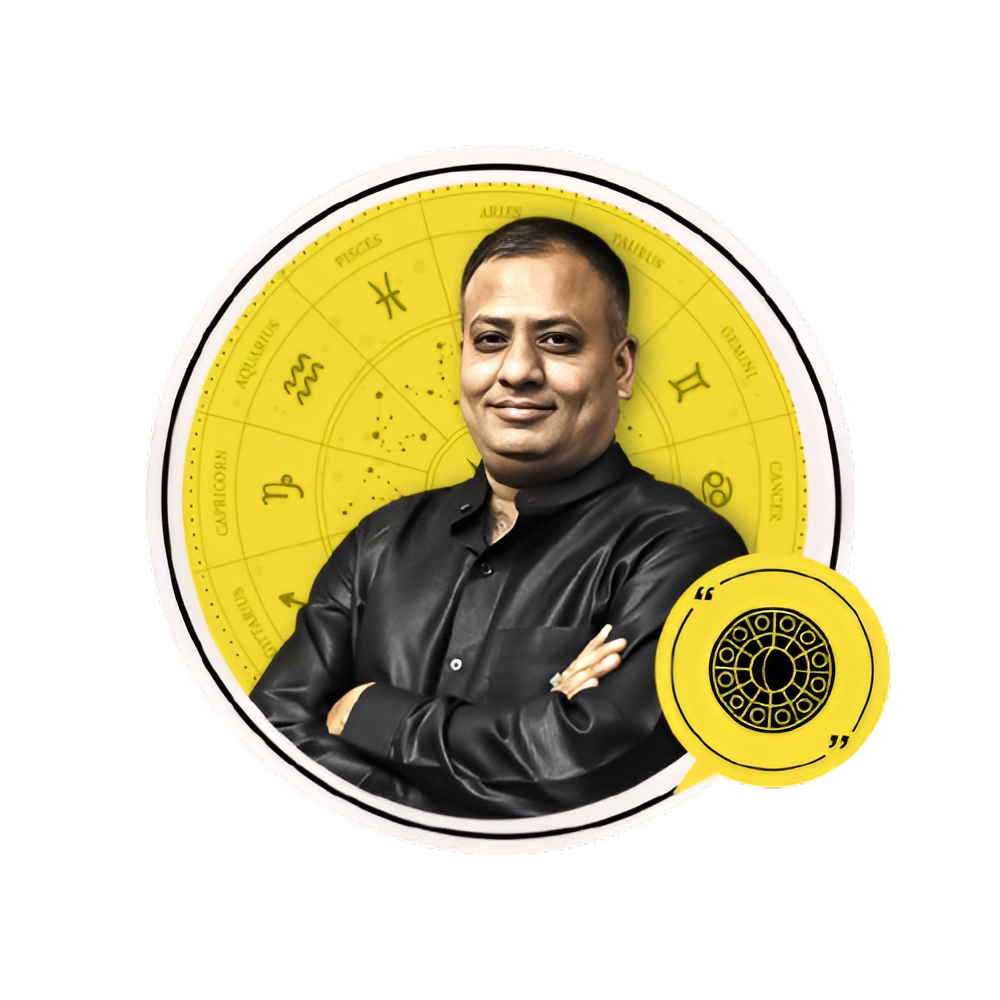
As Abhishek Soni, I've had the privilege of witnessing countless individuals transform their lives by embracing the wisdom of our ancient traditions. Ekadashi, the eleventh day of both the waxing and waning lunar phases, is not just a date on a calendar; it's a cosmic gateway. It's a day meticulously chosen by divine forces to empower us, to cleanse us, and to draw us closer to the source of all joy and abundance. Forget what you might have heard about it being merely a day of fasting; Ekadashi is a festival of devotion, a spiritual spring cleaning for your mind, body, and soul.
In this comprehensive guide, we'll journey together through the mystical origins of Ekadashi, explore its incredible benefits, understand how to observe it practically (no matter your lifestyle), and discover powerful astrological remedies you can implement today to invite divine peace and lasting prosperity into your life. So, settle in, open your heart, and prepare to unlock the sacred blessings that Ekadashi offers.
What is Ekadashi and Why is it So Sacred?
The word "Ekadashi" literally means "eleven" (Eka = one, Dasha = ten) in Sanskrit. It refers to the eleventh day of each fortnight (Paksha) in the Hindu lunar calendar. This means there are typically two Ekadashis in a Gregorian month – one in the Shukla Paksha (waxing moon) and one in the Krishna Paksha (waning moon). Each of these days holds immense spiritual significance, dedicated primarily to Lord Vishnu, the preserver of the universe.
The sacredness of Ekadashi is deeply rooted in ancient scriptures and a captivating mythological origin. Legend has it that a powerful demon named Mura tormented the devas (demigods), leading them to seek refuge with Lord Vishnu. During a fierce battle, as Lord Vishnu rested, a divine feminine energy emerged from His body. This goddess, known as Ekadashi Devi, vanquished the demon Mura. Pleased with her prowess, Lord Vishnu granted her a boon: anyone who observes a fast or performs spiritual activities on this day, dedicated to her, would be freed from sins, attain salvation, and receive immense blessings. Thus, Ekadashi became eternally auspicious, a day consecrated for spiritual elevation.
Why is this particular day so potent? From an astrological perspective, the moon's position on the eleventh day creates a unique energy field that is highly conducive to introspection, meditation, and spiritual practices. Our minds and bodies are profoundly influenced by lunar cycles, and Ekadashi is strategically placed to help us harness this influence for our higher good. It's a day when the subtle energies of the cosmos align to support our spiritual endeavors, making our prayers more potent and our intentions clearer.
The Profound Benefits of Observing Ekadashi
Observing Ekadashi is not just a ritual; it's an investment in your well-being across all dimensions – spiritual, physical, and material. The benefits are vast and often profound, touching every aspect of your existence.
Spiritual Benefits: Connecting with the Divine
- Purification of Mind, Body, and Soul: Fasting and spiritual practices on Ekadashi are potent cleansers. They help eliminate negative karmic imprints, purify your aura, and clear mental clutter, leading to a profound sense of inner lightness.
- Closer Connection to Lord Vishnu: This day is dedicated to the preserver. Engaging in devotion, chanting, and meditation on Ekadashi helps you forge a deeper, more personal bond with the divine, inviting His grace and protection into your life.
- Accumulation of Punya (Good Karma): The scriptures declare that observing Ekadashi with sincerity accrues immense spiritual merit, often equated to performing major sacrifices. This good karma safeguards you and paves the way for a smoother life journey.
- Enhanced Spiritual Intuition: By quieting the senses and focusing inwards, you sharpen your spiritual faculties. Many find their intuition becomes stronger, their dreams more vivid, and their connection to higher wisdom more accessible on Ekadashi.
- Path to Moksha (Liberation): For sincere seekers, regular observance of Ekadashi is considered a powerful step towards liberation from the cycle of birth and death, leading to ultimate spiritual freedom.
Physical Benefits: A Health Reset
While the primary aim of Ekadashi is spiritual, the practice of fasting inherently brings significant physical advantages, understood even by modern science:
- Digestive System Rest: Your digestive organs work tirelessly. Fasting on Ekadashi gives them a much-needed break, allowing them to repair and rejuvenate. This can improve digestion, reduce bloating, and enhance nutrient absorption.
- Detoxification: A period of fasting allows your body to clear out toxins accumulated from processed foods and environmental pollutants. This natural detoxification process can boost energy levels and improve overall vitality.
- Improved Metabolism: Intermittent fasting, which Ekadashi fasting often resembles, has been shown to improve insulin sensitivity, regulate blood sugar, and contribute to healthy weight management.
- Mental Clarity and Focus: When the body is not expending energy on digestion, more energy is available for cognitive functions. Many report enhanced mental clarity, focus, and creativity on fasting days.
- Discipline and Self-Control: The act of consciously abstaining from food strengthens your willpower and self-discipline, qualities that spill over into all areas of your life.
Material Benefits: Peace and Prosperity
It's a common misconception that spiritual practices are only for the afterlife. In Vedic tradition, spiritual alignment often translates into tangible blessings in your worldly life:
- Attracting Peace and Harmony: As you cleanse your inner being and connect with divine energies, you naturally radiate a more peaceful aura, attracting harmonious relationships and calming your environment.
- Overcoming Obstacles: The spiritual merit gained on Ekadashi acts as a shield, helping to dissolve karmic blockages and make it easier to navigate life's challenges.
- Fulfillment of Righteous Desires: When your intentions are pure and aligned with divine will, observing Ekadashi can help manifest your legitimate aspirations, whether they pertain to career, family, or personal growth.
- Protection from Negative Influences: The heightened spiritual energy on Ekadashi creates a protective shield, warding off negative energies, planetary afflictions, and ill-will.
- Inviting Prosperity: A peaceful mind, clear intentions, and divine blessings naturally attract abundance. Prosperity, in its truest sense, is not just about wealth but about holistic well-being, and Ekadashi fosters this holistic richness.
How to Observe Ekadashi: Practical Steps for Everyone
Observing Ekadashi might seem daunting, but it's far more accessible than you think. The key is sincerity and doing what you can, rather than aiming for perfection and giving up. Lord Vishnu appreciates devotion, not just strict austerity. Here’s a practical guide:
Understanding Your Fasting Level: Choose What's Right for You
There are various levels of fasting, and it's important to choose one that suits your health, lifestyle, and spiritual inclination. Always prioritize your health, and consult a doctor if you have underlying medical conditions.
- Nirjala Ekadashi (Waterless Fast): This is the most stringent fast, where one abstains from both food and water for 24 hours. It's recommended only for advanced practitioners and those in excellent health, under proper guidance. The benefits are immense, but it requires significant preparation and willpower.
- Phalahar Ekadashi (Fruit-Based Fast): A very common and manageable fast. You can consume fruits, dry fruits, milk, curd, nuts, and specific Ekadashi-friendly vegetables (like potatoes, sweet potatoes, bottle gourd). Avoid grains, legumes, and traditional spices.
- Water-Only Fast: Similar to Nirjala but allows for the consumption of water throughout the day. This provides significant detoxification benefits while remaining hydrated.
- Eka Bhukta (One Meal, Non-Grain): For beginners, those with health issues, or demanding schedules. You consume one sattvic, non-grain meal during the day, adhering to Ekadashi-friendly foods.
- Grain-Free Ekadashi: If complete fasting is not possible, simply abstaining from grains (rice, wheat, corn, oats, barley), legumes (beans, lentils), onion, garlic, and certain spices (like asafoetida, mustard seeds) is also highly beneficial. Focus on fruits, vegetables, dairy, and nuts. This is a great starting point.
Pre-Ekadashi Preparations (Dashami - The 10th Day)
Your observance actually begins on Dashami, the day before Ekadashi.
- Light and Sattvic Meal: Consume a light, easily digestible, and sattvic (pure) meal on Dashami. Avoid heavy, oily, or non-vegetarian food. This prepares your digestive system for the fast.
- Mental Preparation: Set your intention for Ekadashi. Resolve to observe the fast and engage in spiritual practices. Mentally prepare yourself for the day ahead.
On Ekadashi Day: Your Spiritual Regimen
This is where the magic truly happens. Dedicate this day as much as possible to spiritual pursuits.
- Early Morning Bath: Wake up before sunrise, take a purifying bath, and wear clean clothes.
- Pledge Your Fast (Sankalpa): Stand before an image or idol of Lord Vishnu (or your chosen deity) and sincerely pledge your intention to observe the Ekadashi fast according to your chosen method. Ask for strength and blessings.
- Puja and Offerings:
- Light a ghee lamp (diya) and incense (agarbatti).
- Offer fresh flowers, especially yellow ones, to Lord Vishnu.
- Offer Tulsi leaves (Basil) – Tulsi is supremely dear to Lord Vishnu, and offering her leaves on Ekadashi is highly meritorious.
- Offer fruits or sweets (if not on a Nirjala fast).
- Mantra Chanting and Japa: This is arguably the most crucial aspect.
- Chant the Maha Mantra: "Hare Krishna, Hare Krishna, Krishna Krishna, Hare Hare / Hare Rama, Hare Rama, Rama Rama, Hare Hare."
- Chant the Vishnu Moola Mantra: "Om Namo Bhagavate Vasudevaya."
- Recite the Vishnu Sahasranama (1000 names of Vishnu) – this is exceptionally powerful.
- Chant the Gayatri Mantra.
- Use a Japamala (rosary beads) to count your rounds, focusing your mind.
- Meditation and Reflection: Spend time in quiet contemplation. Meditate on the divine form of Lord Vishnu, on universal love, or simply observe your breath.
- Reading Scriptures: Read sacred texts like the Bhagavad Gita, Srimad Bhagavatam, or stories of Lord Vishnu. This nourishes your mind with spiritual knowledge.
- Avoid Specific Foods: Regardless of your fasting level, strictly avoid grains (rice, wheat, corn, barley, oats), beans, lentils, onion, garlic, mushrooms, and certain spices (asafoetida, mustard seeds). These are considered Tamasic and inhibit spiritual progress on this day. Use rock salt (sendha namak) instead of regular salt.
- Charity (Daan): Performing acts of charity on Ekadashi amplifies your blessings. Donate food (to those not observing Ekadashi), clothes, or money to the needy.
- Maintain Brahmacharya: Abstain from sexual activity on Ekadashi.
- Avoid Day Sleep: Try to stay awake and engaged in spiritual activities throughout the day. If tired, take a short rest, but avoid deep sleep.
- Stay Hydrated: If not on Nirjala, drink plenty of water, herbal teas, or fruit juices to stay hydrated.
Parana (Breaking the Fast): The Crucial Concluding Step
Breaking the fast correctly on Dwadashi (the twelfth day) is as important as observing the fast itself. Skipping Parana or breaking it at the wrong time negates the benefits of Ekadashi.
- Specific Time Window: Ekadashi fast must be broken during a specific period called "Parana Time" on the Dwadashi morning. This time window is determined by astrological calculations and varies for different locations. You can find it on reliable Hindu calendars or spiritual websites.
- Ritual Breaking: Offer prayers to Lord Vishnu. Consume a small amount of an Ekadashi-friendly grain (e.g., rice) or a simple sattvic meal to formally break the fast.
- Sattvic Meal: After Parana, you can gradually resume your regular diet, starting with light, easily digestible, sattvic foods. Avoid overeating immediately after the fast.
Ekadashi Remedies for Specific Challenges (Astrological Perspective)
As an astrologer, I often guide individuals on how to leverage auspicious days like Ekadashi to mitigate planetary afflictions and enhance positive outcomes in their birth chart. Here are some specific remedies you can perform on Ekadashi for various life areas:
For Career & Business Growth
- Offerings: Offer yellow flowers, a piece of turmeric, and a small quantity of Mishri (rock sugar) to an idol or image of Lord Vishnu.
- Mantra: Chant the "Om Namo Bhagavate Vasudevaya" mantra 108 times using a turmeric bead mala.
- Charity: Feed cows with green fodder or jaggery. Donating yellow sweets or clothing to a temple priest is also highly beneficial.
- Direction: While doing your puja, face the North-East direction (Ishaan Kon) for enhanced professional blessings.
For Health & Well-being
- Tulsi Seva: Offer fresh Tulsi leaves to Lord Vishnu. Also, circumambulate the Tulsi plant 11 or 21 times, chanting "Om Namo Bhagavate Vasudevaya."
- Donation: Donate medicines or health supplements to a charitable hospital or to elderly individuals.
- Mantra: Recite the "Narayana Kavacham" or "Vishnu Sahasranama" with the intention of healing and well-being.
- Specific Ekadashi: Observing Yogini Ekadashi (which falls during the waning phase in Ashadha month) is particularly potent for chronic health issues.
For Relationship Harmony (Love, Marriage, Family)
- Offerings: Offer a garland of fresh roses or lotus flowers to Lord Vishnu and Goddess Lakshmi. Offer milk and saffron to the deity.
- Puja: If possible, perform a small puja with your spouse or family members, reciting the "Hare Krishna Maha Mantra" together.
- Charity: Offer food to married couples or children, especially on this day.
- Mantra: Chant the mantra "Om Lakshmi Narayana Namaha" 108 times, visualizing harmony and love in your relationships.
For Mental Peace & Clarity
- Meditation: Spend at least 30 minutes in meditation, focusing on the Ajna Chakra (third eye) or the Anahata Chakra (heart chakra), visualizing serene blue or golden light.
- Recitation: Reciting the entire Vishnu Sahasranama is incredibly calming and grants immense mental peace and clarity.
- Nature Connect: Spend time outdoors in nature, if possible, sitting near a tree or a body of water, observing silence.
- Avoid Overstimulation: Minimize screen time, loud noises, and unnecessary conversations on Ekadashi to maintain inner tranquility.
For Financial Abundance & Prosperity
- Offerings: Offer a lotus flower (Kamal Gatta) to Lord Vishnu and Goddess Lakshmi. Light a ghee lamp before a Tulsi plant in the evening.
- Donation: Donate money or food grains (if not fasting) to a temple or a deserving spiritual organization. This act of giving on Ekadashi returns manifold.
- Mantra: Chant the "Om Shrim Hrim Klim Glaum Gam Ganapataye Vara Varada Sarva Janam Me Vashamanaya Swaha" (for Ganesha to remove obstacles to wealth) followed by "Om Namo Bhagavate Vasudevaya."
- Sankalpa: While performing puja, clearly articulate your financial goals to Lord Vishnu, seeking His blessings for ethical and sustainable wealth creation.
Understanding Different Ekadashis: A Glimpse
While all Ekadashis are sacred, each of the 24 (sometimes 26 in a leap year) Ekadashis throughout the year has a unique name, a specific deity form of Vishnu associated with it, and distinct mythological stories and benefits. Knowing which Ekadashi it is today can enhance your focus and intention.
- Nirjala Ekadashi: Often considered the most powerful, occurring in the Jyeshtha month. Its observance bestows the benefits of all 24 Ekadashis.
- Devshayani Ekadashi: Marks the beginning of Chaturmas, when Lord Vishnu is said to go into cosmic sleep for four months.
- Vaikuntha Ekadashi: Highly auspicious, believed to open the gates to Vaikuntha (Lord Vishnu's abode) for those who observe it.
- Putrada Ekadashi: Sought by couples desiring progeny, particularly a son.
- Mokshada Ekadashi: Observed for liberation from the cycle of birth and death.
If you're wondering which specific Ekadashi it is today, a quick search on a reliable Hindu calendar will provide you with its name and specific glory. Understanding this can help you tailor your prayers and intentions even more precisely.
Embracing Ekadashi is a journey, not a destination. It's an opportunity to consciously pause, reflect, and reconnect with the divine within and around you. Even if you start with a simple grain-free day and a few minutes of chanting, you are setting powerful intentions and inviting immense blessings into your life. The spiritual energy generated on this day is truly transformative, capable of clearing years of karmic debt and paving the way for a future filled with peace, abundance, and profound spiritual joy.
Don't let the idea of fasting intimidate you. Focus on the devotion, the conscious connection, and the spiritual nourishment. As you consistently observe Ekadashi, you'll find a growing sense of inner peace, clarity, and an inexplicable grace guiding your path. So, today, if it is indeed Ekadashi, take that sacred step. Dedicate this precious day to Lord Vishnu, and watch as your life begins to unfold with divine blessings and boundless prosperity. If you have questions about which Ekadashi applies to your chart or specific remedies, feel free to reach out. Your spiritual journey is a sacred one, and I'm here to guide you.

Astrologer Abhishek Soni
India's Top Celebrity Astrologer | 50,000+ Consultations | Vedic Astrology, Numerology & Vastu Expert
Book Consultation