Ekadashi Today: Unlock Your Divine Connection for Spiritual Enlightenment
Ekadashi Today: Unlock Your Divine Connection for Spiritual Enlightenment...
Ekadashi Today: Unlock Your Divine Connection for Spiritual Enlightenment
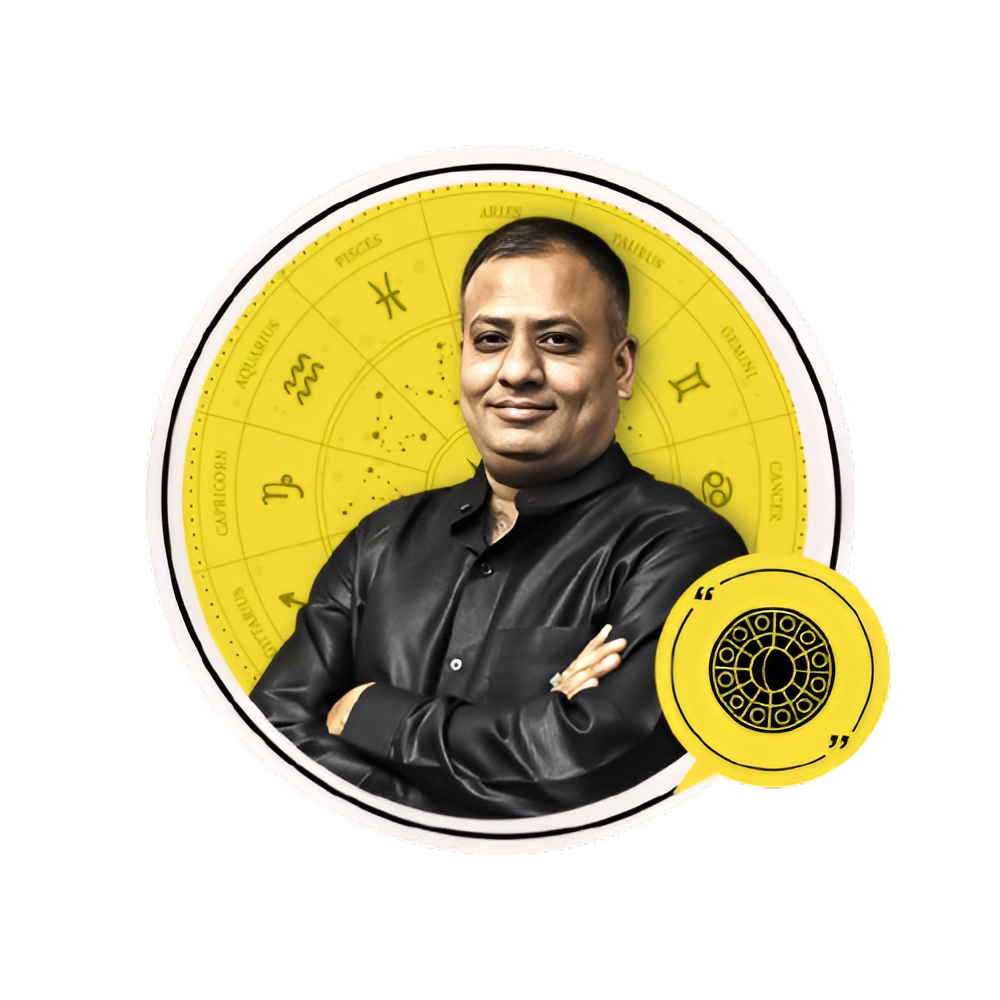
My dear seekers of truth and spiritual aspirants, I am Abhishek Soni, and it is with immense joy and profound reverence that I connect with you today. As an astrologer and a guide on this beautiful journey of life, I often speak about the cosmic energies that influence our existence. And today, the celestial alignment brings us to a particularly potent day – Ekadashi. For those familiar with its power, it's a day of spiritual reset. For those new to its magic, prepare to discover a gateway to profound inner peace and a deeper divine connection.
A Personal Invitation to Divine Connection
You see, Ekadashi isn't just another date on the calendar; it's a sacred cosmic window, a divine invitation to elevate your consciousness and align with higher energies. When Ekadashi arrives, the universe itself seems to whisper, "Pause, reflect, connect." It's a day meticulously crafted by ancient sages, backed by astrological wisdom, to help us shed the mundane and embrace the sublime. So, if you're feeling a pull towards something more, a yearning for spiritual enlightenment, then Ekadashi today is your moment.
The Cosmic Significance of Ekadashi: Astrological and Spiritual Roots
To truly appreciate Ekadashi, we must delve into its origins, understanding it not just as a religious observance but as a profound spiritual science, deeply interwoven with astrology and Vedic wisdom.
The Moon's Influence and Ekadashi
Ekadashi, meaning 'eleven' in Sanskrit, refers to the eleventh lunar day (tithi) of each of the two lunar phases – the waxing (Shukla Paksha) and waning (Krishna Paksha) moon. This means there are typically two Ekadashis in a Hindu calendar month. Why the eleventh day? Our ancient seers, with their unparalleled understanding of cosmic rhythms, observed that on the eleventh day, the Moon's influence on the Earth, and consequently on our minds and bodies, is particularly strong. The Moon, as you know, is the Karaka (significator) of the mind (Manas). Its gravitational pull affects tides, and similarly, it affects the fluids in our bodies and the stability of our minds.
On Ekadashi, the lunar energy is believed to be at a specific point that makes our senses and mind more agitated or more receptive, depending on how we channel this energy. Observing Ekadashi is a conscious effort to harness this heightened lunar influence for spiritual benefit, rather than letting it lead to mental restlessness. It’s about turning potential distraction into profound focus.
Lord Vishnu and the Ekadashi Tithi
Spiritually, Ekadashi is intrinsically linked to Lord Vishnu, the preserver of the universe. Legend has it that a powerful demon named Mura tormented the devas (demigods), and Lord Vishnu, in His infinite compassion, manifested the Ekadashi Devi from His own being to defeat Mura. Hence, Ekadashi is personified as a divine energy, capable of destroying sins and granting liberation (Moksha). Observing Ekadashi is thus considered a direct devotion to Lord Vishnu, invoking His blessings for protection, prosperity, and spiritual liberation.
This connection to Vishnu isn't just mythology; it's a spiritual blueprint. Lord Vishnu represents the principle of sustenance and divine order. By aligning with Ekadashi, we align with this sustaining force, allowing it to purify our subtle bodies and uplift our spirit.
The Science Behind the Spiritual
While often seen through a religious lens, Ekadashi has a remarkable scientific basis too. The subtle energies on this day, combined with the practice of fasting, have a profound impact on our physical and mental well-being. Our digestive system, which works tirelessly, gets a much-needed rest. This allows the body to redirect energy from digestion towards cleansing and healing. From an Ayurvedic perspective, fasting on Ekadashi helps to balance the doshas, particularly Kapha and Vata, and ignites the Agni (digestive fire) for better assimilation and elimination.
Moreover, the reduced intake of food lessens the burden on our nervous system and allows for greater mental clarity and focus. This is why meditation and spiritual practices often feel more profound and accessible on Ekadashi. It's a natural detox for body, mind, and soul.
Why Observe Ekadashi? Benefits Beyond Fasting
Many people associate Ekadashi solely with fasting. While fasting is a significant component, the benefits of observing Ekadashi extend far beyond the mere act of abstaining from food. It's a holistic practice designed to bring about transformation on multiple levels.
Spiritual Purification and Growth
At its core, Ekadashi is about purification. Through conscious fasting and spiritual practices, we cleanse our karmic slate, reduce the impact of past transgressions, and create space for higher consciousness. It's a day to turn inwards, reflect on our actions, thoughts, and words, and resolve to live a life more aligned with dharma. This introspection fuels spiritual growth, helping us to transcend ego and connect with our true, divine self.
Physical and Mental Well-being
As an astrologer, I've observed countless times how our physical and mental states are interconnected with planetary influences. A well-observed Ekadashi Vrat (vow) can be a powerful tool for holistic health.
- Digestive Reset: Giving your digestive system a break allows it to repair and rejuvenate. This can improve metabolism, reduce inflammation, and enhance overall vitality.
- Mental Clarity: The reduction in food intake, especially grains, is believed to calm the mind. This leads to enhanced focus, better decision-making, and a sense of inner peace, which is invaluable in our fast-paced lives.
- Emotional Balance: By consciously abstaining and engaging in spiritual practices, you build self-discipline and willpower. This strengthens your emotional resilience and helps in managing stress and anxiety.
Many clients report feeling lighter, more energetic, and mentally sharper after observing Ekadashi. It's a testament to the profound impact of this ancient practice.
Accumulating Punya (Merit)
In Vedic philosophy, Punya refers to the positive merit accumulated through righteous actions, which helps improve one's destiny and spiritual journey. Observing Ekadashi with sincerity and devotion is considered one of the most potent ways to accumulate Punya. This isn't about transactional spirituality; rather, it's about aligning your actions with cosmic law, generating positive energetic ripples that benefit you in this life and beyond. The scriptures often extol the virtues of Ekadashi, stating that even a single sincere observance can negate many past misdeeds.
Overcoming Planetary Afflictions
From an astrological perspective, Ekadashi can be a powerful remedy for mitigating the negative effects of planetary afflictions (doshas) in your birth chart.
- Fasting on Ekadashi, particularly if you are experiencing challenges related to the Moon (mind, emotions), can help stabilize lunar energies.
- It is especially beneficial for those with weak or afflicted Moon in their horoscope, promoting mental peace and emotional stability.
- Dedicated prayers to Lord Vishnu on this day can alleviate the malefic effects of various planets, as Vishnu is the supreme maintainer of cosmic order, and His blessings encompass all planetary influences.
If you're going through a challenging Dasha period or experiencing difficult transits, observing Ekadashi can provide a much-needed spiritual shield and boost your inner strength to navigate these times.
Practical Guide to Observing Ekadashi Today: How to Connect
Now that we understand the profound significance of Ekadashi, let's talk about how you can practically observe it *today* and unlock its immense benefits. Remember, the intention behind your actions is paramount.
The Vrat (Fasting) Explained
The core of Ekadashi observance is the Vrat, or fast. There are various levels of fasting, and you should choose one that aligns with your health, spiritual capacity, and doctor's advice.
- Nirjala Vrat (Waterless Fast): This is the most stringent fast, where one abstains from both food and water for the entire Ekadashi day (from sunrise on Ekadashi to sunrise on Dwadashi, the twelfth lunar day). This is recommended only for those in excellent health and with significant spiritual practice.
- Phalahar Vrat (Fruit Fast): In this fast, one consumes only fruits, nuts, and dairy products (like milk, yogurt, paneer). Grains, legumes, and certain vegetables (like onion, garlic, mushrooms) are avoided. This is a common and highly beneficial form of fasting.
- Falahar with Grains-Free Meal: For those who cannot do a full fruit fast, a single meal consisting of Ekadashi-approved foods (like Kuttu atta/buckwheat flour, Singhara atta/water chestnut flour, potatoes, certain vegetables, fruits, dairy) can be taken. The key is to avoid regular grains (rice, wheat, lentils) and processed foods.
- Partial Observance: If full fasting is not possible due to health reasons or other constraints, you can still observe Ekadashi by avoiding grains, non-vegetarian food, alcohol, and excessive stimulants. Focus on sattvic (pure) foods and increase your spiritual practices.
Important Note: The fast begins from sunrise on Ekadashi and ends at a specific time (Parana) on the next day, Dwadashi. It's crucial not to break the fast during the Ekadashi day itself and to break it correctly on Dwadashi.
Dietary Considerations (for those not full fasting)
If you're not doing a Nirjala fast, here's a general guide for what to consume:
- Allowed: Fruits, nuts (almonds, walnuts, cashews), dairy products (milk, yogurt, paneer, ghee), potatoes, sweet potatoes, sago (sabudana), Kuttu atta (buckwheat flour), Singhara atta (water chestnut flour), Rajgira atta (amaranth flour), certain vegetables like spinach, cucumber, tomatoes (use sparingly), rock salt (sendha namak).
- Avoid: All grains (rice, wheat, lentils, corn), onion, garlic, mushrooms, regular salt, spices like turmeric, asafoetida, mustard seeds (simple cumin powder and black pepper are often allowed), non-vegetarian food, alcohol, tobacco, tea, coffee (unless absolutely necessary due to addiction).
Remember, the spirit of the fast is to reduce the burden on your digestive system and senses, allowing you to focus on the divine. Choose simple, pure foods.
Mantras and Meditations for Ekadashi
Fasting alone is not enough; it must be coupled with spiritual practices to truly unlock Ekadashi's power. Devote this day to chanting, meditation, and reading sacred texts.
- Maha Mantra: Chanting the Hare Krishna Maha Mantra (Hare Krishna, Hare Krishna, Krishna Krishna, Hare Hare / Hare Rama, Hare Rama, Rama Rama, Hare Hare) is highly recommended. It purifies the mind and connects you directly to the divine.
- Om Namo Bhagavate Vasudevaya: This powerful Dwadasakshari Mantra (twelve-syllable mantra) is specifically dedicated to Lord Vishnu. Chanting it throughout the day will invoke His grace and blessings.
- Vishnu Sahasranama: Reciting the thousand names of Lord Vishnu is considered extremely meritorious on Ekadashi.
- Meditation: Dedicate specific times to sit in silent meditation. Focus on your breath, visualize Lord Vishnu, or simply rest in the spaciousness of your awareness. The reduced food intake will naturally make your mind calmer and more receptive.
- Reading Sacred Texts: Engage with scriptures like the Bhagavad Gita, Srimad Bhagavatam, or stories of Lord Vishnu. This nourishes your intellect and reinforces your spiritual resolve.
Today, make a conscious effort to increase your japa (mantra recitation) count. Even an extra mala (108 beads) can make a significant difference.
Charity and Seva (Selfless Service)
Ekadashi is also a day for compassion and giving. Engaging in acts of charity and selfless service amplifies the spiritual benefits of your observance.
- Donate food (prasadam, if you have prepared any), clothes, or money to the needy.
- Offer water to plants or animals.
- Spend time helping others without expecting anything in return.
- Offer your time or skills to a spiritual organization or a cause you believe in.
Remember, true spiritual growth involves expanding our hearts to include all beings.
Breaking the Fast (Parana)
Breaking the fast correctly is as important as observing it. The Ekadashi fast should be broken on Dwadashi (the twelfth lunar day) during a specific period called Parana time. This time is usually available on astrological calendars or Panchangs.
- Consume a small amount of a specific grain, usually rice, or any Ekadashi-forbidden food to signify the breaking of the fast.
- After breaking the fast, you can gradually resume your normal diet. Do not overeat immediately after a fast.
- It's recommended to offer a prayer to Lord Vishnu before breaking the fast, thanking Him for His blessings and the successful completion of your Vrat.
Never break the Ekadashi fast during the Ekadashi Tithi itself, and always check the precise Parana timing for your location.
Common Pitfalls and How to Avoid Them
Even with the best intentions, it's easy to make mistakes during Ekadashi observance. Being aware of these common pitfalls can help you maintain the sanctity and effectiveness of your Vrat.
Fasting Without Understanding
Many people fast simply because it's a tradition, without understanding the underlying spiritual and scientific reasons. This can turn Ekadashi into a mere ritual rather than a transformative experience.
- Solution: Before observing, take time to read about Ekadashi, its significance, and the stories associated with it. Understand that it's a day for spiritual introspection and connection, not just abstaining from food.
Breaking the Fast Incorrectly
As mentioned, the breaking of the fast (Parana) is crucial. Breaking it during Ekadashi or too late on Dwadashi can negate the benefits.
- Solution: Always check a reliable Panchang or an astrological calendar for the precise Ekadashi Parana timings for your location. Make sure you break the fast with a permitted food item within that window.
Focusing Only on Food, Not Spirit
Sometimes, the entire focus shifts to "what I can eat" or "what I cannot eat," turning the day into a dietary challenge rather than a spiritual one.
- Solution: While dietary restrictions are important, remember they are a means to an end. Dedicate more time to chanting, meditation, reading scriptures, and prayers. Let your mind dwell on the divine, not on the next meal.
Remedies and Rituals for Enhanced Ekadashi Blessings
Beyond the general observance, certain specific remedies and rituals can further amplify the blessings of Ekadashi, especially if you have particular intentions or wish to address specific astrological challenges.
Specific Mantras for Different Desires
- For Prosperity and Wealth: Chant the Lakshmi Narasimha Mantra: "Om Hrim Klim Shrim Lakshmi Nrisimhaye Namaha."
- For Protection and Courage: Recite the Sudarshana Chakra Mantra: "Om Sudarshanaya Vidmahe, Mahajwalaya Dhimahi, Tanno Chakrah Prachodayat."
- For Harmonious Relationships and Family Well-being: Chant the Vishnu Gayatri Mantra: "Om Narayanaya Vidmahe, Vasudevaya Dhimahi, Tanno Vishnu Prachodayat."
- For Spiritual Liberation (Moksha): Focus on the Hare Krishna Maha Mantra or "Om Namo Bhagavate Vasudevaya."
Chant these mantras with devotion, ideally on a Tulsi mala (rosary), for at least 108 times, or multiple rounds.
Offering to Tulsi
Tulsi (Holy Basil) is considered extremely sacred to Lord Vishnu and his consort Lakshmi. On Ekadashi, offering water, lighting a ghee lamp, and circumambulating the Tulsi plant (parikrama) is highly meritorious. It is believed to bring prosperity, happiness, and remove obstacles. However, avoid plucking Tulsi leaves on Ekadashi; they should be picked the day before if needed for offerings.
Donations and Dakshina
Making donations on Ekadashi is a powerful way to generate positive karma.
- Donate food to Brahmins or Vaishnavas.
- Offer clothes, blankets, or financial assistance to the poor and needy.
- Contribute to gaushalas (cow shelters), as cows are considered sacred in Vedic tradition and dear to Lord Krishna/Vishnu.
- Offer Dakshina (a voluntary offering, usually monetary) to priests or spiritual teachers.
The act of selfless giving on this auspicious day multiplies its benefits manifold.
Astrological Remedies for Specific Grahas
If you're facing challenges related to specific planets, Ekadashi can be a powerful day to perform remedies:
- Moon (Chandra): Fasting on Ekadashi helps stabilize lunar energies. Offer milk or water to a Shiva lingam or a sacred plant.
- Jupiter (Guru): Praying to Lord Vishnu on Ekadashi strengthens Jupiter. Offer yellow flowers or sweets to a Vishnu temple.
- Saturn (Shani): Observing Ekadashi helps appease Saturn. Perform acts of service, especially to the elderly or the less fortunate.
- Mercury (Budha): Chanting Vishnu Sahasranama improves Mercury's influence. Donate green clothes or stationery.
Remember, these are general guidelines. For personalized astrological guidance and remedies tailored to your unique birth chart, it's always best to consult with an expert astrologer like myself.
Sustaining Your Divine Connection Beyond Ekadashi
Ekadashi is a powerful catalyst, a spiritual sprint, but the ultimate goal is to integrate its lessons into your daily life, transforming it into a spiritual marathon. Don't let the divine connection you forge today dissipate with the breaking of the fast.
Daily Practices
Carry forward the momentum.
- Continue a daily mantra chanting practice, even if it's just for 15-20 minutes.
- Dedicate a few minutes each day to quiet reflection or meditation.
- Read a verse or two from a sacred text daily.
- Be mindful of your diet, favoring sattvic foods whenever possible.
These small, consistent efforts will keep the spiritual flame alive.
Reflection and Gratitude
Take time to reflect on the insights you gained during Ekadashi. What did you learn about yourself? What spiritual experiences did you have? Cultivate an attitude of gratitude for the blessings in your life and the opportunity to connect with the divine.
Integrating Ekadashi Wisdom
The self-discipline, clarity, and inner peace experienced on Ekadashi are not meant to be confined to a single day.
- Apply the enhanced focus to your work and daily tasks.
- Use the emotional balance to navigate challenges with greater calm.
- Let the spirit of compassion guide your interactions with others.
Ekadashi reminds us of our true nature – spiritual beings having a human experience. It's a day to remember that we are not just our bodies or our minds, but eternal souls connected to the divine source. Embrace this truth today, and let its light guide you every single day forward.
May your Ekadashi today be filled with profound spiritual insights, peace, and an unwavering connection to the divine. If you have any questions or need personalized guidance on your spiritual or astrological journey, please feel free to reach out. Your path to spiritual enlightenment is a sacred one, and I am here to support you.

Astrologer Abhishek Soni
India's Top Celebrity Astrologer | 50,000+ Consultations | Vedic Astrology, Numerology & Vastu Expert
Book Consultation