Ekadashi Today: Unraveling the Sacred Story for Spiritual Enlightenment
Ekadashi Today: Unraveling the Sacred Story for Spiritual Enlightenment...
Ekadashi Today: Unraveling the Sacred Story for Spiritual Enlightenment
My dear seekers of truth and spiritual wisdom,
As an astrologer and a humble student of the cosmos, I often find myself reflecting on the profound rhythms that govern our existence. Today, as the cosmic clock ticks over to the eleventh lunar day, we arrive at a moment of immense spiritual potency – Ekadashi. It’s a day revered across millennia, a beacon of purification and devotion that promises to elevate the human spirit. But what exactly is Ekadashi, beyond just a day of fasting? What sacred story lies at its heart, offering us a path to true spiritual enlightenment?
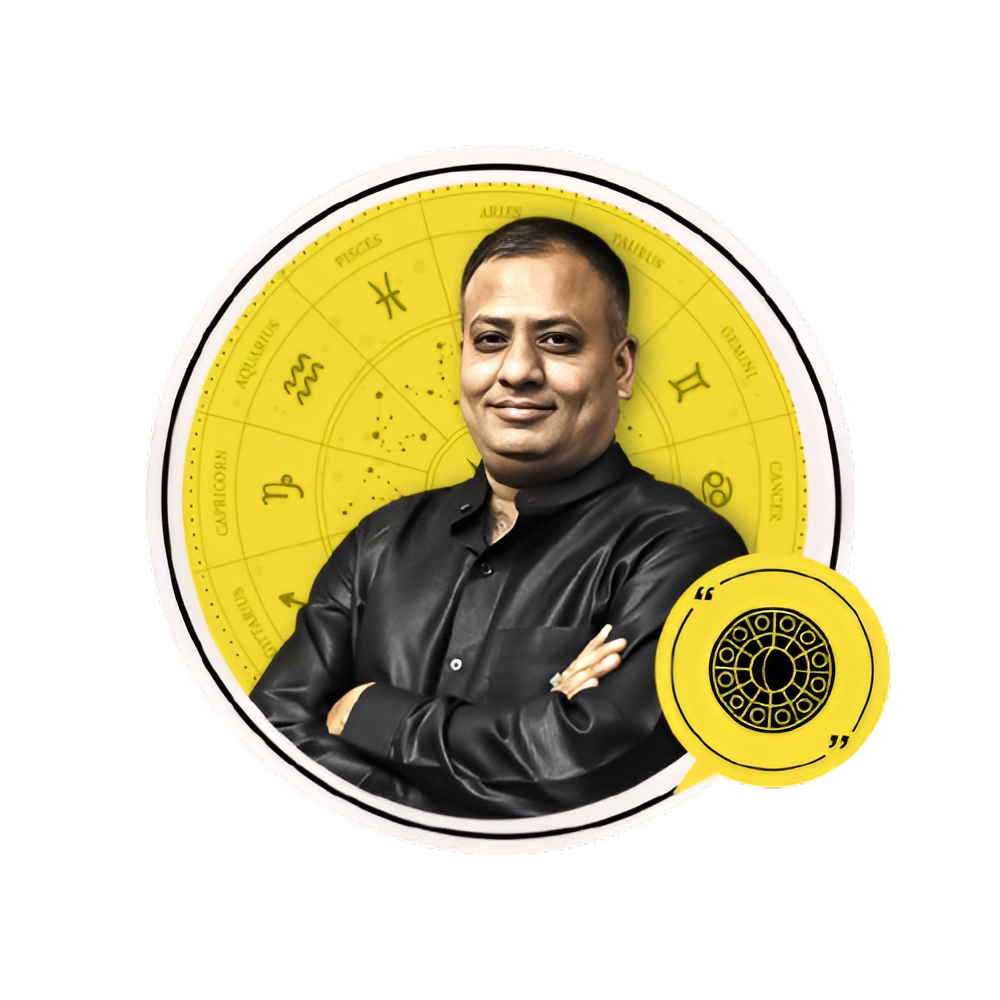
Join me, Abhishek Soni, as we delve deep into the mystical origins, profound significance, and practical observance of Ekadashi. This isn't just about abstaining from food; it's about connecting with an ancient, divine energy that can profoundly transform your life.
What is Ekadashi? More Than Just a Fast
In Vedic astrology and Hindu tradition, Ekadashi refers to the eleventh day of each of the two lunar phases – the Shukla Paksha (waxing moon) and the Krishna Paksha (waning moon). This means there are typically twenty-four Ekadashis in a year, sometimes twenty-six, each with its unique name, story, and spiritual benefits. While often associated with fasting, its true essence lies in spiritual discipline, introspection, and devotion to Lord Vishnu, the preserver of the universe.
Many view it as a mere ritual, a strict regimen, or even a health fad. But for those who understand its deeper cosmic alignment, Ekadashi is a powerful portal. It’s a day when the energies are uniquely aligned to support our spiritual endeavors, helping us cut through the clutter of material existence and draw closer to the divine.
The Sacred Story of Ekadashi: Birth of a Divine Protector
Every significant spiritual practice has an origin story, a narrative that not only explains its genesis but also embeds profound truths within its fabric. The story of Ekadashi is one of divine intervention, cosmic battle, and the ultimate triumph of dharma over adharma.
The Demon Mura and Lord Vishnu's Resolve
Long, long ago, there lived a formidable demon named Mura. His power was immense, born from severe austerities, and he had become an unbearable torment to the gods and sages. Mura had conquered Indraloka (the abode of Indra) and driven the gods from their celestial homes. Distressed and desperate, the Devas, led by Indra, sought refuge at the feet of Lord Shiva. Shiva, in turn, directed them to Lord Vishnu, the supreme protector.
Lord Vishnu, ever compassionate, listened to their pleas. He assured them of His protection and proceeded to battle Mura. The battle raged for a thousand celestial years, a testament to Mura’s strength. Eventually, Vishnu, feeling tired after such a prolonged conflict, retreated to a cave called Himavati in Badarikashrama to rest. It was a divine leela, a playful act, as the Supreme Lord never truly tires.
The Manifestation of Ekadashi Devi
Mura, fueled by arrogance, followed Vishnu into the cave, intending to strike Him down while He rested. But as Mura prepared his attack, a stunningly beautiful and effulgent maiden emerged from Vishnu’s own body. She was armed with various celestial weapons and radiated immense power.
This divine being confronted Mura. A fierce battle ensued between them, and the maiden, with her incredible prowess, utterly vanquished Mura, beheading him with ease. When Lord Vishnu awoke, He saw Mura’s lifeless body and the radiant maiden standing victorious. He asked her who she was.
The maiden humbly replied, "My Lord, I have manifested from Your own self to protect You and the universe from this demon Mura."
The Boon and the Name 'Ekadashi'
Lord Vishnu was exceedingly pleased with her courage and devotion. He blessed her, saying, "Since you have appeared on the eleventh day of the lunar month (Ekadashi Tithi) and saved Me, you shall be known as Ekadashi. I grant you the boon that anyone who observes a fast on your day will be freed from their sins, attain My abode (Vaikuntha), and be liberated from the cycle of birth and death."
And so, Ekadashi Devi, born from Vishnu's own energy, became a powerful and merciful force, embodying the very essence of purification and liberation. This sacred story teaches us that just as Ekadashi Devi emerged to destroy an external demon, observing Ekadashi helps us conquer the internal demons of lust, anger, greed, illusion, and envy – the greatest obstacles to our spiritual enlightenment.
Why Observe Ekadashi? Beyond Myth and Legend
The story provides the spiritual foundation, but why has this practice endured for millennia? The reasons are multi-faceted, encompassing astrological, spiritual, and even physiological benefits.
Astrological Significance: The Moon's Influence
As an astrologer, I can tell you that the Moon plays a crucial role in our mental and emotional well-being. The eleventh lunar day is a potent period because of the Moon's specific position and influence on the Earth and, by extension, on human physiology and psyche. The Moon directly affects water elements in our body (which is over 70% water!).
- Mental Clarity: Fasting on Ekadashi helps to calm the mind, reducing mental agitation and enhancing clarity. This is particularly beneficial when the Moon is in certain challenging positions in one's birth chart.
- Harmonizing Energies: The gravitational pull of the Moon on the 11th day is thought to affect the digestive system. By giving the digestive system a rest, the body's energy can be redirected towards higher consciousness, making spiritual practices more effective.
- Planetary Remedies: For those with a troubled Moon (Chandra) in their chart, observing Ekadashi can act as a powerful remedy, strengthening the mind and emotional stability.
Spiritual Significance: Purification and Devotion
At its core, Ekadashi is a spiritual discipline designed to foster a deeper connection with the Divine.
- Detachment: Fasting teaches us to detach from bodily demands and pleasures, reminding us that we are not merely our physical bodies but eternal spiritual beings.
- Self-Control (Tapasya): It cultivates self-control, a vital quality for any spiritual aspirant. Conquering the urges of the tongue and stomach is a significant step towards conquering other desires.
- Karma Reduction: It is believed that observing Ekadashi with devotion can significantly reduce the reactions to past sinful activities (karma), paving the way for spiritual progress.
- Increased Bhakti (Devotion): By dedicating the day to Vishnu through chanting, meditation, and scripture reading, one's devotion naturally deepens.
- Accessing Vaikuntha: The ultimate promise of Ekadashi is liberation and attainment of Vishnu's spiritual abode, Vaikuntha, a state of eternal bliss and freedom from material suffering.
Health Benefits: A Natural Detox
While the primary purpose is spiritual, there are undeniable physiological benefits, even recognized by modern science, to periodic fasting.
- Digestive Rest: Giving the digestive system a break allows the body to cleanse itself, repair, and rejuvenate.
- Detoxification: It aids in flushing out toxins accumulated in the body, leading to improved energy levels and overall well-being.
- Metabolic Boost: Controlled fasting can improve metabolism and cellular repair processes, leading to better health and longevity.
The Practical Side: How to Observe Ekadashi
Observing Ekadashi isn't about rigid rules for everyone; it's about sincere intention and adapting the practice to your individual capacity. Here’s a comprehensive guide:
1. The Fasting Regimen: Choose Your Path
There are various levels of fasting on Ekadashi. It's crucial to choose one that you can sincerely maintain without endangering your health.
- Nirjala (Waterless Fast): The most austere form, where no food or water is consumed from sunrise on Ekadashi until sunrise on Dwadashi (the 12th day). This is recommended only for those with excellent health and prior experience.
- Phalahari (Fruit and Milk Fast): This involves consuming only fruits, milk, nuts, and specific non-grain foods. It's a common and highly beneficial method.
- Partial Fast (Grain Avoidance): Avoiding all grains (rice, wheat, corn, barley, oats, lentils, beans) but allowing other permissible foods like vegetables, specific flours (kuttu, singhara, rajgira), dairy products, and fruits. This is a very practical and widely observed method.
- Simply Avoiding Grains and Beans: For those new to the practice or with health conditions, simply avoiding grains and beans is a good starting point. The spirit of devotion is more important than strict adherence if it compromises health.
2. What to Avoid (Strictly)
The core principle is to avoid foods that promote tamasic (ignorance) and rajasic (passion) qualities, and those that are heavy to digest or bind us to material consciousness.
- Grains: Rice, wheat, barley, corn, oats, millet, quinoa, all types of lentils (dals), chickpeas, and products made from them (bread, pasta, rice flour).
- Beans: All types of beans (kidney beans, black beans, soybeans, etc.).
- Certain Spices: Turmeric, asafoetida, mustard seeds, fenugreek. Use rock salt (sendha namak) instead of regular salt.
- Vegetables: Onions and garlic are strictly avoided.
- Non-Vegetarian Food & Intoxicants: Meat, fish, eggs, alcohol, tobacco, coffee, tea (caffeine can be an issue for some, switch to herbal teas if needed).
- Oil: Some traditions avoid all oils, while others permit pure ghee or specific oils for cooking permissible foods.
3. What to Consume (Permissible Foods)
The emphasis is on light, sattvic (goodness) foods that support spiritual endeavors.
- Fruits: All fresh and dried fruits.
- Vegetables: Potatoes, sweet potatoes, spinach, tomatoes, cucumber, bottle gourd, pumpkin, taro root (arbi), raw banana.
- Dairy Products: Milk, yogurt, paneer (fresh cheese), ghee.
- Nuts & Seeds: Almond

Astrologer Abhishek Soni
India's Top Celebrity Astrologer | 50,000+ Consultations | Vedic Astrology, Numerology & Vastu Expert
Book Consultation