Ekadashi Today: Unveiling the Sacred Significance of This Holy Day
Ekadashi Today: Unveiling the Sacred Significance of This Holy Day...
Ekadashi Today: Unveiling the Sacred Significance of This Holy Day
Greetings, dear spiritual seekers and friends on this journey of self-discovery! As an astrologer and guide dedicated to helping you navigate the cosmic currents, there's a particular day that holds immense power and profound significance in the spiritual calendar: Ekadashi. And if it's Ekadashi today, then you're truly in for a treat, a divine opportunity to recalibrate your being.
I often hear questions like, "What exactly is Ekadashi?" or "Why should I observe it?" The truth is, Ekadashi is far more than just a day of fasting; it's a potent gateway to spiritual purification, mental clarity, and physical rejuvenation. It’s a day when the celestial energies align in a unique way, offering us a chance to deepen our connection with the divine and ourselves. As someone who has witnessed its transformative power in countless lives, including my own, I am thrilled to share with you the sacred essence of this holy day.
Let's embark on this journey together to understand the intricate layers of Ekadashi, from its astrological roots to its practical implications for your modern life. Prepare to unlock a tradition that has nurtured souls for millennia.
The Cosmic Dance: Astrological & Spiritual Roots of Ekadashi
To truly appreciate Ekadashi, we must first understand its place in the cosmic rhythm. The word "Ekadashi" itself means the eleventh day. It refers to the eleventh day of each of the two lunar phases – the waxing moon (Shukla Paksha) and the waning moon (Krishna Paksha) – in a Vedic lunar month. This means there are typically 24 Ekadashis in a year, sometimes 26 in a leap year.
From an astrological perspective, the Moon plays a pivotal role in our lives, governing our emotions, mind, and even our bodily fluids. On the eleventh day, the Moon's influence is said to be particularly potent, affecting water elements in the body and mind. It's believed that on Ekadashi, the gravitational pull of the Moon is such that it can create subtle disturbances in our system, particularly our digestive fire. This is where the wisdom of our ancient sages shines through: by observing a fast, we allow our body and mind to harmonize with these celestial energies, rather than being overwhelmed by them.
Spiritually, Ekadashi is inextricably linked with Lord Vishnu, the preserver of the universe. Mythology tells us the story of Ekadashi Devi, who emerged from Lord Vishnu to defeat the demon Mura. Pleased with her, Lord Vishnu blessed her, declaring that anyone who fasts on Ekadashi would be freed from sins and attain liberation. This makes Ekadashi a supremely auspicious day for Vaishnavites and indeed for all who seek spiritual advancement. It's a day dedicated to Vishnu's contemplation, mantra chanting, and devotion, inviting His divine blessings into our lives.
At abhisheksoni.in, we understand that these ancient wisdoms are not just folklore but profound insights into the mechanics of the universe and our place within it. Observing Ekadashi is a way of consciously aligning ourselves with these powerful celestial currents, using them to propel our spiritual growth.
Beyond Abstinence: The Multifaceted Benefits of Observing Ekadashi
When people hear "fasting," they often envision deprivation. But with Ekadashi, it's about so much more than just abstaining from food. It’s a holistic practice designed to purify the body, calm the mind, and elevate the spirit. Let's delve into the incredible benefits that await you:
Spiritual Purification and Growth:
- Karma Cleansing: One of the primary spiritual benefits is the belief that observing Ekadashi can help burn off accumulated negative karma. By engaging in devotion and self-discipline, we purify our soul's record, moving closer to liberation (moksha).
- Drawing Closer to the Divine: The act of fasting, coupled with prayer and meditation, creates a powerful spiritual vibration. It allows us to transcend material desires, making us more receptive to divine grace and fostering a deeper, more intimate connection with Lord Vishnu.
- Enhancing Meditation and Prayer: A body lightened by fasting and a mind freed from the constant demands of digestion become fertile ground for deeper meditative states and more heartfelt prayers. You'll find your focus sharper and your spiritual experiences more profound.
Mental Clarity and Focus:
- Calming the Mind: Our digestive system consumes a significant amount of energy. When we fast, this energy is redirected, often leading to a calmer, less agitated mind. The mental chatter reduces, paving the way for inner peace.
- Improving Concentration: Without the distractions of food preparation and heavy digestion, your mind becomes more agile and focused. This enhanced concentration can spill over into all areas of your life, from work to personal pursuits.
- Reducing Mental Clutter: Ekadashi encourages introspection and detachment. By consciously choosing to abstain, we exercise our willpower and gain greater control over our impulses, leading to a less cluttered and more disciplined mind.
Physical Well-being and Detoxification:
- Resting the Digestive System: Our digestive organs work tirelessly. Ekadashi provides a much-needed break, allowing them to rest, repair, and rejuvenate. This is similar to the concept of "intermittent fasting" gaining popularity in modern health circles, but rooted in ancient wisdom.
- Detoxification Benefits: When the body isn't busy digesting, it can focus its energy on cleansing and detoxifying. This can lead to improved metabolism, better nutrient absorption, and a feeling of lightness and vitality.
- Boosting Immunity: A healthy gut is often linked to a strong immune system. The periodic cleansing offered by Ekadashi fasting can contribute to overall bodily resilience and improved health.
Emotional Balance and Resilience:
- Cultivating Self-Control: Choosing to fast on Ekadashi is a powerful act of self-discipline. It strengthens your willpower and teaches you that you are not merely a slave to your cravings, fostering a sense of mastery over your desires.
- Building Willpower: Each time you successfully observe Ekadashi, you strengthen your inner resolve. This willpower then extends to other areas of your life, helping you overcome challenges and achieve your goals.
- Emotional Peace: The combination of physical lightness, mental clarity, and spiritual devotion often results in a profound sense of emotional peace and equanimity. Stress and anxiety tend to lessen, replaced by a calm resilience.
As you can see, the benefits of observing Ekadashi extend far beyond the superficial. It's a comprehensive practice for holistic well-being.
Practical Guide to Observing Ekadashi (Beyond Just Fasting)
Now that you understand why Ekadashi is so significant, let's explore how you can practically observe this holy day. Remember, the key is intention and devotion, not rigid adherence if your health doesn't permit.
Types of Ekadashi Fasts:
There isn't a single "right" way to fast. Choose what aligns with your health, lifestyle, and spiritual capacity.
- Nirjala (Waterless) Fast: This is the most stringent fast, involving complete abstinence from both food and water for 24 hours (from sunrise on Ekadashi to sunrise on Dwadashi, the 12th day). It's reserved for those with excellent health and strong spiritual discipline. Consult a physician before attempting this.
- Phalahari (Fruit-based) Fast: This is the most common and recommended fast. You abstain from grains, legumes, and certain spices, consuming only fruits, nuts, milk, and specific vegetables (like potatoes, sweet potatoes). It provides nourishment while still offering digestive rest.
- Partial Fast (Ekadashi Vrat): If a full fast isn't feasible, you can observe a partial fast. This typically means avoiding grains (rice, wheat, corn) and legumes (dals, beans) but allowing other permitted foods. You can also opt for a single meal of permitted foods during the day.
- Simple Observance: If fasting isn't possible due to health reasons, old age, or travel, you can still observe Ekadashi by focusing on spiritual practices: chanting, prayer, meditation, and refraining from negative thoughts and actions.
The essence is to dedicate the day to spiritual pursuits, minimizing bodily demands. Listen to your body and never endanger your health for the sake of ritual.
What to Eat (and Avoid):
For those observing a Phalahari or partial fast, here's a general guide:
Allowed Foods:
- Fruits: All fresh fruits are generally permitted.
- Vegetables: Potatoes, sweet potatoes, yams, raw bananas, taro (arbi), bottle gourd, pumpkin, spinach, tomatoes, cucumber. Avoid onion and garlic.
- Dairy: Milk, yogurt, paneer (Indian cheese), ghee.
- Nuts & Seeds: Almonds, cashews, peanuts, walnuts, melon seeds, pumpkin seeds.
- Flours: Kuttu (buckwheat flour), Singhaare ka atta (water chestnut flour), Rajgira ka atta (amaranth flour). These are used to make rotis or puris.
- Spices: Rock salt (sendha namak), black pepper, ginger, green chilies, cumin powder.
- Sweeteners: Sugar, jaggery, honey.
Foods to Avoid:
- Grains: Rice, wheat, corn, barley, oats.
- Legumes & Pulses: All types of dals, beans (kidney beans, black beans, chickpeas, etc.).
- Certain Vegetables: Onion, garlic, mushrooms.
- Spices: Turmeric, asafoetida (hing), mustard seeds, fenugreek seeds, regular salt.
- Non-vegetarian food.
The idea is to consume simple, sattvic (pure) food that doesn't overstimulate the senses or burden the digestive system, allowing your mind to remain calm and focused on spiritual pursuits.
Beyond Food: Spiritual Practices for the Day:
Fasting is just one aspect. The real power of Ekadashi lies in how you spend your day. Here are some essential practices:
- Wake Early: Rise during Brahmamuhurta (about 1.5 hours before sunrise) for meditation and prayer.
- Chant Mantras: Dedicate time to chanting the Maha Mantra (Hare Krishna Hare Krishna, Krishna Krishna Hare Hare, Hare Rama Hare Rama, Rama Rama Hare Hare) or the Vishnu Moola Mantra (Om Namo Bhagavate Vasudevaya). Chanting helps focus the mind and invokes divine blessings.
- Read Scriptures: Immerse yourself in sacred texts like the Bhagavad Gita, Srimad Bhagavatam, or Vishnu Sahasranama.
- Meditation and Prayer: Spend time in quiet contemplation, connecting with your inner self and the divine. Offer heartfelt prayers for universal peace and well-being.
- Charity (Seva): Perform acts of selfless service or donate to a worthy cause. Helping others is a powerful way to purify karma and attract blessings.
- Maintain a Calm Mind: Avoid gossip, anger, excessive talking, and other activities that can disturb your mental peace. Strive for positivity and equanimity.
- Avoid Sleep During the Day: It's recommended to stay awake and engage in spiritual activities throughout the day, if possible.
- Break the Fast Correctly (Parana): This is crucial. The fast must be broken at the correct time on Dwadashi (the 12th day) with specific foods, typically grains or sattvic foods. Check a reliable Panchang (Vedic calendar) for the exact Parana time window, as breaking it too early or too late can negate the benefits.
Addressing Common Questions and Misconceptions
As an astrologer, I often encounter various questions and sometimes misconceptions surrounding Ekadashi. Let me clarify a few:
- Who should observe Ekadashi? Anyone seeking spiritual growth, improved health, and mental clarity can observe Ekadashi. However, pregnant women, young children, the elderly, and those with chronic health conditions (like diabetes or severe heart issues) should exercise caution and consult a doctor before fasting. They can still observe Ekadashi through prayer, chanting, and avoiding grains.
- What if I can't fast? As mentioned, fasting is just one aspect. If you cannot fast, you can still observe Ekadashi by dedicating the day to spiritual practices, charity, and maintaining a sattvic mindset. The intention is paramount.
- Is it just for Hindus? While Ekadashi is deeply rooted in Vedic traditions, its underlying principles of self-discipline, detoxification, and spiritual connection are universal. Anyone, regardless of their faith, can benefit from observing a day of mindful eating and spiritual introspection.
- The Importance of Parana (Breaking the Fast): This is often overlooked. Breaking the fast at the prescribed time on Dwadashi (the day after Ekadashi) is as important as the fast itself. It completes the cycle of spiritual discipline and ensures the full benefits are reaped. The Parana time is usually calculated based on sunrise on Dwadashi and varies depending on your location. Always check a reliable Vedic calendar.
Remedies and Astrological Insights for Ekadashi
Beyond the general spiritual benefits, Ekadashi holds specific astrological significance. Observing Ekadashi can act as a powerful remedy for certain planetary afflictions in your birth chart.
Lord Vishnu, the presiding deity of Ekadashi, is also associated with the planet Jupiter (Guru). A strong Jupiter in your chart brings wisdom, prosperity, spiritual inclination, and good fortune. If Jupiter is debilitated or afflicted in your chart, consistent observance of Ekadashi can significantly strengthen its positive influence, mitigating negative effects. It can foster greater wisdom, improve financial stability, and enhance your spiritual journey.
Furthermore, since Ekadashi is governed by the Moon's phases, it indirectly helps in stabilizing the Moon's influence in your chart. A well-placed Moon brings emotional stability, peace of mind, and good health. For those with a weak or afflicted Moon, Ekadashi observance can help balance lunar energies, leading to greater emotional resilience and mental tranquility.
Different Ekadashis also carry unique astrological energies and specific benefits:
- Nirjala Ekadashi: Known for its immense power to cleanse sins and fulfill desires, equivalent to observing all 24 Ekadashis.
- Vaikuntha Ekadashi: Believed to open the gates of Vaikuntha (Lord Vishnu's abode) for devotees.
- Putrada Ekadashi: Observed by couples desiring progeny.
By understanding which specific Ekadashi is falling today and its particular significance, you can tailor your intentions and prayers for maximum benefit. For personalized guidance on how Ekadashi observance can specifically benefit your unique astrological chart, I encourage you to explore the services at abhisheksoni.in. Understanding your birth chart can illuminate the precise remedies that will serve you best.
Embracing Ekadashi: A Journey, Not a Task
My dear friends, Ekadashi is not meant to be a burdensome obligation or a mere ritual to be checked off a list. It is an invitation – an invitation to slow down, to look inward, and to reconnect with the divine spark within you. It’s a journey of self-discovery and spiritual refinement, undertaken with love and devotion.
Don't feel pressured to undertake the most stringent fast from day one. Start gradually. Perhaps begin by avoiding grains and dedicating more time to prayer. As you experience the subtle shifts in your energy, your clarity, and your peace, you'll naturally feel drawn to deepen your practice. Consistency, even in small ways, is far more powerful than sporadic, extreme efforts.
Think of Ekadashi as a spiritual detox for your mind, body, and soul. In our fast-paced, often chaotic world, setting aside a day every fortnight to intentionally purify and reconnect is a profound act of self-care and spiritual wisdom. It's a powerful tool for personal growth, spiritual advancement, and cultivating inner harmony.
May this Ekadashi bring you immense blessings, clarity, and a deeper connection to the divine energies that permeate our universe. Embrace this holy day with an open heart and a devout spirit, and witness the transformative power it holds for your life.

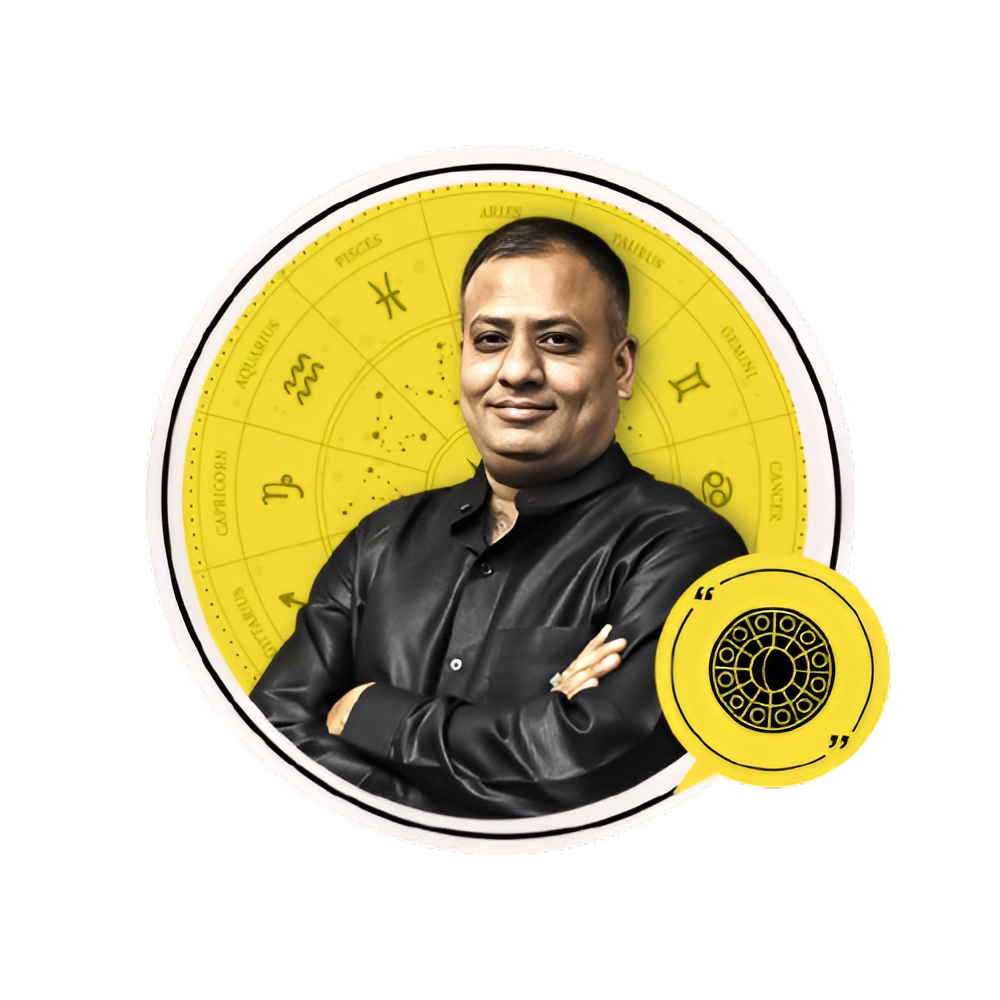
Astrologer Abhishek Soni
India's Top Celebrity Astrologer | 50,000+ Consultations | Vedic Astrology, Numerology & Vastu Expert
Book Consultation