Ekadashi Vrat Vidhi Today: Unlock Spiritual Blessings and Punya
Ekadashi Vrat Vidhi Today: Unlock Spiritual Blessings and Punya...
Ekadashi Vrat Vidhi Today: Unlock Spiritual Blessings and Punya
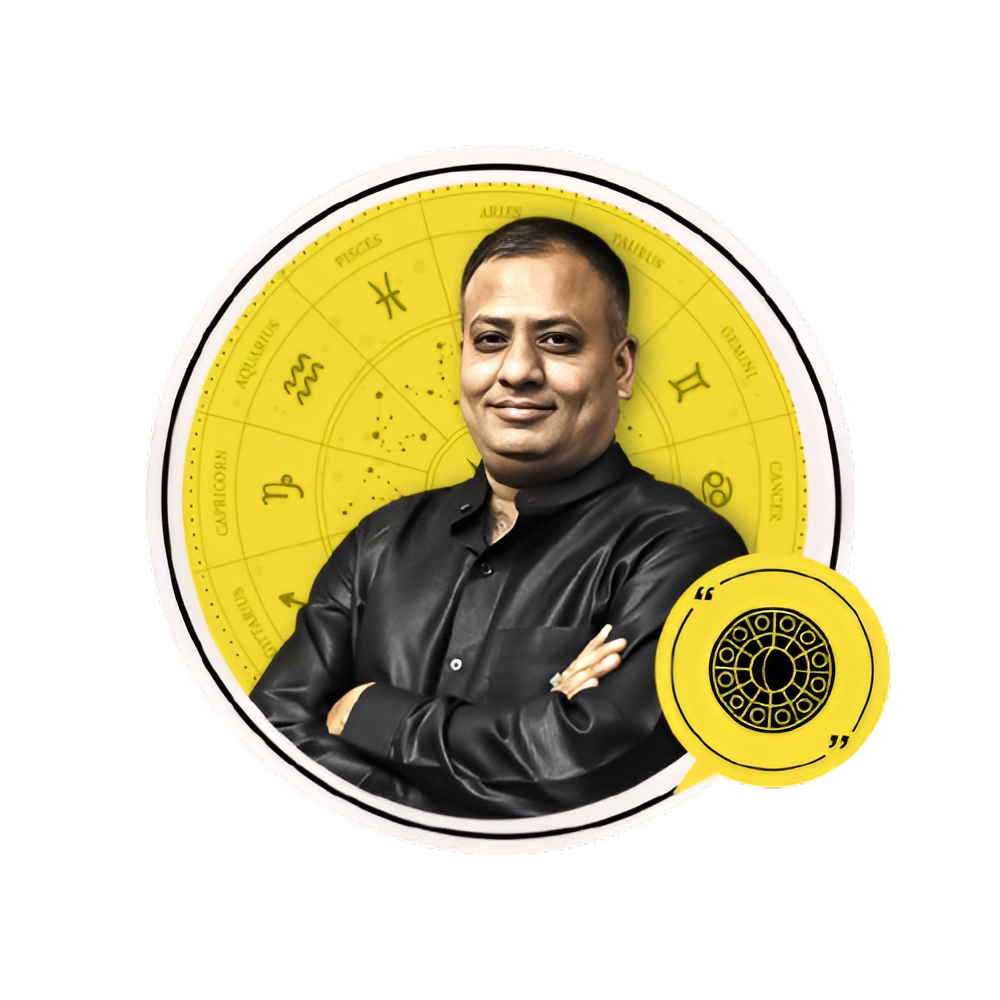
My dear seekers of truth and spiritual well-being, Namaste! As your guide on this incredible journey through Vedic wisdom, I, Abhishek Soni, am thrilled to delve deep into a practice that has transformed countless lives and uplifted souls for millennia: the Ekadashi Vrat. If you've ever felt a pull towards deeper spiritual connection, clearer mind, or simply wished to accumulate immense positive karma (Punya), then understanding and observing Ekadashi is a path tailor-made for you.
Today, as we contemplate the significance of Ekadashi, know that it’s more than just a fast; it’s a powerful opportunity, a spiritual reset button, and a profound act of devotion. Whether you’re a seasoned observer or contemplating your very first Ekadashi fast, this comprehensive guide will walk you through the traditions, benefits, and practical aspects of this sacred day, helping you unlock its true potential.
What is Ekadashi and Why is it So Potent?
In the intricate dance of the cosmos, where celestial bodies dictate rhythms and energies, Ekadashi holds a very special place. Derived from Sanskrit, "Ekadashi" literally means "eleven" (Eka = one, Dasha = ten), referring to the eleventh day of each lunar fortnight. This means there are two Ekadashis in a Hindu calendar month: one in the Shukla Paksha (waxing moon fortnight) and one in the Krishna Paksha (waning moon fortnight).
From an astrological perspective, the moon plays a significant role in governing our minds and emotions. As the Moon waxes and wanes, its gravitational pull affects the Earth, including the water within our bodies and the fluids in our brains. On Ekadashi, this lunar energy is believed to be particularly potent, creating an opportune time for spiritual practices that help us transcend our physical and mental limitations. The ancient Rishis, with their profound understanding of cosmic rhythms, prescribed this day for fasting and spiritual introspection to harness these unique energies for our benefit.
Lord Vishnu, the preserver of the universe, is the presiding deity of Ekadashi. It is believed that observing Ekadashi Vrat is one of the most direct ways to please Lord Vishnu and receive His divine grace. Each Ekadashi has its own unique name and story, often linked to specific spiritual boons or the destruction of particular sins. For instance, Nirjala Ekadashi is renowned for its strict observance and immense benefits, while Mokshada Ekadashi is believed to grant liberation.
The Cosmic Significance of the Eleventh Day
- Lunar Influence: The Moon's energy on Ekadashi is said to be conducive to spiritual practices. By fasting, we reduce the body's energy expenditure on digestion, redirecting it towards mental clarity and spiritual awareness.
- Purification: It's a day for deep purification – physical, mental, and spiritual. The fast helps cleanse the body of toxins, while the spiritual practices purify the mind and soul.
- Connection to Vishnu: Ekadashi is intrinsically linked to Lord Vishnu. Devotion on this day is magnified, bringing immense blessings and spiritual upliftment.
Why Observe Ekadashi Vrat? Unlocking a Multitude of Blessings
The benefits of observing Ekadashi Vrat are manifold, extending far beyond mere religious ritual. As an astrologer, I’ve witnessed how sincere adherence to this practice can bring about profound shifts in an individual’s life, influencing their karma, health, and overall well-being.
Spiritual Benefits (Punya and Moksha)
This is perhaps the primary reason why millions observe Ekadashi. The scriptures state that observing Ekadashi Vrat with devotion can:
- Accumulate Immense Punya: Each Ekadashi offers a unique opportunity to earn positive karma, which can mitigate the effects of past negative actions and pave the way for a more harmonious future. It's like depositing good deeds into your spiritual bank account.
- Cleanse Sins: It is believed that sincere observance can purify the soul of various sins, leading to inner peace and a lighter conscience.
- Attain Moksha (Liberation): For the most devout, consistent and pure observation of Ekadashi Vrat over a lifetime is considered a path towards liberation from the cycle of birth and death.
- Receive Lord Vishnu's Grace: The divine blessings of Lord Vishnu are showered upon those who observe His sacred day, leading to protection, prosperity, and spiritual growth.
- Enhance Spiritual Discipline: The discipline required for fasting and spiritual practices strengthens your resolve and deepens your connection to the divine.
Physical and Mental Benefits
Beyond the spiritual, Ekadashi Vrat offers tangible benefits for your physical and mental health:
- Detoxification: Fasting gives your digestive system a much-needed rest, allowing the body to cleanse itself of toxins and rejuvenate. This is a practice endorsed by many health systems worldwide.
- Improved Digestion: A periodic break can reset your digestive fire (Agni), leading to better absorption and elimination.
- Increased Energy: Paradoxically, after the initial adjustment, many find themselves with increased energy and vitality once their body adapts to the fast.
- Mental Clarity and Focus: When the body is light and not burdened by heavy digestion, the mind becomes clearer, sharper, and more focused. This enhanced clarity is excellent for meditation, study, and decision-making.
- Emotional Stability: The discipline and spiritual focus of Ekadashi can help calm the mind, reduce anxiety, and promote emotional balance. It teaches self-control and detachment from sensory pleasures.
- Boosted Immunity: Regular fasting can contribute to a stronger immune system, making your body more resilient to illness.
Ekadashi Vrat Vidhi Today: A Step-by-Step Guide for Observance
Observing Ekadashi Vrat correctly is crucial to reaping its full benefits. While devotion is paramount, adhering to the traditional rituals (Vidhi) enhances the spiritual experience and ensures the fast is performed auspiciously. Here's a detailed guide:
Preparation: The Day Before (Dashami - Tenth Day)
The preparation for Ekadashi begins on the Dashami, the day preceding the fast. This sets the tone for a successful observance.
- Light Meal: Have only one light meal during the day. Avoid heavy or non-vegetarian food.
- Early Dinner: Eat your dinner before sunset. This ensures your stomach is relatively empty by the morning of Ekadashi.
- No Grains: Some devotees begin avoiding grains, lentils, and certain spices from Dashami evening itself.
- Celibacy: Observe celibacy on Dashami night.
- Cleanliness: Ensure your home, especially your puja altar, is clean and tidy.
Ekadashi Day: The Day of Fasting
This is the main day of observance. Your actions and intentions throughout this day are critical.
Morning Rituals
- Early Wake-up and Bath: Wake up early, preferably before sunrise (Brahmamuhurta). Take a purifying bath, mentally cleansing yourself of impurities.
- Sankalp (Vow): This is arguably the most important step. Stand before your altar, light a lamp (Diya) and incense, and take a solemn vow (Sankalp) to observe the Ekadashi Vrat with full devotion. Clearly state your intention, whether it's for spiritual growth, health, peace, or fulfilling a specific desire. You can say something like, "Today, on this auspicious Ekadashi, I, [Your Name], vow to observe this fast for the pleasure of Lord Vishnu and for [Your Intention], to the best of my ability."
- Lord Vishnu Puja: Offer prayers to Lord Vishnu. This can include:
- Offering water, flowers, Tulsi leaves, fruits, and sweets.
- Lighting a lamp and incense.
- Chanting Vishnu Sahasranama, Hari Om, Om Namo Bhagavate Vasudevaya, or the Maha Mantra (Hare Krishna Hare Krishna, Krishna Krishna Hare Hare / Hare Rama Hare Rama, Rama Rama Hare Hare).
- Reciting Ekadashi Vrat Katha (story).
- Charity (Daan): If possible, resolve to perform some charity on this day, such as donating food to the needy, helping animals, or offering service.
During the Day: Fasting Rules and Spiritual Practices
The type of fast depends on your capacity and spiritual resolve. The most common types are:
- Nirjala Vrat (Waterless Fast): No food, no water from sunrise on Ekadashi to sunrise on Dwadashi. This is the strictest and offers the most intense benefits. Only undertake this if you are in good health and accustomed to fasting.
- Phalahari Vrat (Fruit Fast): Only fruits, milk, and certain permitted vegetables (like potatoes, sweet potatoes, bottle gourd, spinach, cucumber) are consumed. Grains, pulses, onions, garlic, and regular salt are strictly avoided. Use rock salt (sendha namak) if needed.
- Partial Fast: Some observe a partial fast, consuming only one meal (without grains or pulses) in the evening, or only milk and fruits throughout the day.
Strictly Avoid on Ekadashi:
- Grains: Rice, wheat, corn, barley, oats, lentils, beans, pulses (dal).
- Certain Spices: Turmeric, asafoetida, mustard, fenugreek.
- Non-vegetarian Food: Meat, fish, eggs.
- Alcohol, Tobacco, Intoxicants.
- Onions and Garlic.
- Sleeping during the day: Try to remain awake and engage in spiritual activities.
- Shaving, Haircut, Nail Cutting.
Recommended Activities:
- Chanting and Japa: Spend as much time as possible chanting mantras, especially those dedicated to Lord Vishnu.
- Reading Scriptures: Read Bhagavad Gita, Srimad Bhagavatam, or other spiritual texts.
- Meditation: Engage in meditation to calm the mind and connect with your inner self.
- Kirtan and Bhajans: Listen to or participate in devotional songs.
- Service: If possible, perform selfless service (Seva).
Evening Rituals
As the day progresses, continue your spiritual practices.
- Evening Puja and Aarti: Perform another round of prayers to Lord Vishnu in the evening. Offer Aarti (lamp worship) to the deity.
- Satsang: If possible, join a spiritual gathering or connect with like-minded devotees.
- Vigil (Jagaran): Some devout individuals observe an all-night vigil, chanting and praying throughout the night. This is highly meritorious.
Parana: Breaking the Fast (Dwadashi - Twelfth Day)
The breaking of the fast (Parana) is as important as the fast itself and must be done during a specific window of time on the Dwadashi (twelfth) day. Breaking the fast outside this period is considered a violation of the Vrat.
- Check Parana Time: Consult a reliable Panchang (Hindu calendar) or an online resource like abhisheksoni.in for the exact Ekadashi Parana time. This period typically begins shortly after sunrise and lasts for a few hours.
- Morning Rituals: Take a bath and perform your morning prayers to Lord Vishnu.
- Offerings: Offer food to a Brahmin or a needy person before breaking your fast, if possible.
- Breaking the Fast: Consume a small amount of permitted food, ideally something light and sattvic like cooked grains (rice is traditionally preferred), fruits, or milk. This officially concludes your Vrat.
Practical Insights, Examples, and Remedies from an Astrologer's Perspective
Observing Ekadashi is a journey, and like any journey, it comes with its unique challenges and opportunities for growth. As an astrologer, I often guide individuals through their spiritual practices, helping them align with cosmic energies. Here are some practical insights and remedies:
Who Should Observe and Who Should Be Cautious?
- Who Should Observe: Anyone seeking spiritual growth, mental clarity, physical detoxification, and the blessings of Lord Vishnu can observe Ekadashi. It's particularly beneficial for those experiencing difficulties related to the Moon in their horoscope (e.g., emotional instability, mental stress).
- Who Should Be Cautious:
- Pregnant Women: Generally advised against strict fasts. Consult a doctor and a spiritual guide. A light fruit and milk fast might be permissible.
- Elderly and Children: Similar to pregnant women, strict fasts are not recommended. Focus on spiritual activities and a very light diet.
- Individuals with Chronic Health Conditions: Diabetics, those with heart conditions, or severe digestive issues should consult their doctor before fasting. They can observe a partial fast or focus solely on spiritual practices without food restrictions.
- Those on Medication: Ensure your medication schedule is not disrupted by the fast.
Remember: Intention is paramount. If you cannot fast strictly due to health reasons, Lord Vishnu understands. Focus on chanting, prayer, and good deeds.
Managing Hunger and Cravings
The initial few Ekadashis can be challenging. Here’s how to manage:
- Hydration: If not observing Nirjala, drink plenty of water, coconut water, or fresh fruit juices (without added sugar).
- Distraction: Engage your mind in spiritual reading, chanting, or meditation. When the mind is absorbed, hunger pangs often subside.
- Small, Frequent Meals (for Phalahari): If you are on a fruit fast, take small portions of permitted foods every few hours rather than a large meal.
- Mindful Eating: If consuming permitted foods, do so mindfully, offering gratitude.
- Embrace the Discomfort: View hunger as a part of the purification process, a small penance for spiritual gain.
Common Mistakes to Avoid
- Breaking Parana Late/Early: This is a significant error. Always adhere to the prescribed Parana time.
- Consuming Prohibited Foods: Even a tiny amount of grain or prohibited spice can negate the fast's benefits. Be vigilant.
- Focusing Only on Food: Ekadashi is not just about abstaining from food; it's about abstaining from worldly desires and engaging in spiritual activities.
- Boasting About the Fast: Humility is a key virtue. Observe your fast silently with devotion.
- Neglecting Hygiene: Maintain physical and mental purity throughout the day.
Simple Remedies for Specific Intentions on Ekadashi
Ekadashi is an excellent day to perform specific remedies or prayers for desired outcomes:
- For Financial Prosperity: Offer a yellow flower garland to Lord Vishnu, chant "Om Namo Bhagavate Vasudevaya" 108 times, and donate yellow clothes or food to the needy.
- For Health and Well-being: Offer Tulsi leaves to Lord Vishnu. Light a Ghee lamp before Him. Pray for recovery and good health for yourself or loved ones.
- For Marital Harmony: Couples can observe the fast together. Offer red clothes to Goddess Lakshmi alongside Lord Vishnu. Recite the "Vishnu Sahasranama" together.
- For Mental Peace and Clarity: Focus on meditation and chanting. Offer water to a Peepal tree (considered sacred to Vishnu).
- For Academic Success: Offer yellow sweets to Lord Vishnu and seek blessings for knowledge and wisdom.
The Power of Intent: Ultimately, my dear friends, the most powerful ingredient in any spiritual practice is your intent. A fast observed with a pure heart, sincere devotion, and clear intention will always yield profound results, irrespective of minor deviations due to circumstances. Don't let perfection be the enemy of good. Start where you are, with what you can manage, and gradually deepen your practice.
The Astrological Connection: How Ekadashi Balances Your Stars
As an astrologer, I see Ekadashi not just as a religious observance but as a powerful astrological remedy. The Moon, which rules our mind, emotions, and mother, is particularly influential on the eleventh lunar day. Fasting on Ekadashi helps to balance the lunar energies within us.
- Balancing the Moon (Chandra): A weak or afflicted Moon in your birth chart can lead to emotional instability, anxiety, poor decision-making, and health issues related to water retention or mental health. Observing Ekadashi helps strengthen the Moon's positive influence, bringing peace, emotional balance, and mental clarity.
- Enhancing Jupiter (Guru): Lord Vishnu is associated with Jupiter, the planet of wisdom, spirituality, dharma, and prosperity. By pleasing Lord Vishnu on Ekadashi, you implicitly strengthen your Jupiter, leading to greater wisdom, good fortune, and alignment with your higher purpose.
- Sattvic Influence: Fasting and spiritual practices on Ekadashi promote a Sattvic (pure, harmonious) state of being. This reduces the influence of Rajas (passion, activity) and Tamas (inertia, darkness), leading to a more balanced and harmonious life, which reflects positively in your astrological chart.
- Karma Mitigation: Through sincere devotion and acts of charity on Ekadashi, you can actively mitigate negative karmic influences stemming from planetary positions or past actions. It’s a proactive way to rewrite your destiny to some extent.
If you're facing specific planetary challenges, especially those related to the Moon or Jupiter, Ekadashi Vrat can be a potent astrological remedy. I often recommend it to clients seeking clarity, emotional stability, or spiritual direction, observing its profound effects on their lives.
Embrace the Ekadashi Journey
My dear friends, Ekadashi is a gift from the ancient seers, a spiritual lifeline in the hustle and bustle of modern life. It’s an invitation to pause, reflect, and reconnect with the divine essence within you. Whether you observe a strict Nirjala fast or simply dedicate the day to chanting and prayer while on a light diet, the sincerity of your heart is what truly matters.
Don't be disheartened if you falter initially. Spiritual growth is a gradual process. Each Ekadashi brings a fresh opportunity to refine your practice, deepen your devotion, and accumulate invaluable Punya. Take this step on your spiritual journey today, and experience the profound blessings of Lord Vishnu. The path of Ekadashi is a journey of self-discovery, purification, and ultimate union with the divine.
May your Ekadashi be filled with peace, devotion, and boundless spiritual blessings.
With warm regards and blessings,
Abhishek Soni

Astrologer Abhishek Soni
India's Top Celebrity Astrologer | 50,000+ Consultations | Vedic Astrology, Numerology & Vastu Expert
Book Consultation