Harness Ekadashi Today: Astrology's Guide to Positive Karma
My dear seekers of truth and cosmic harmony,...
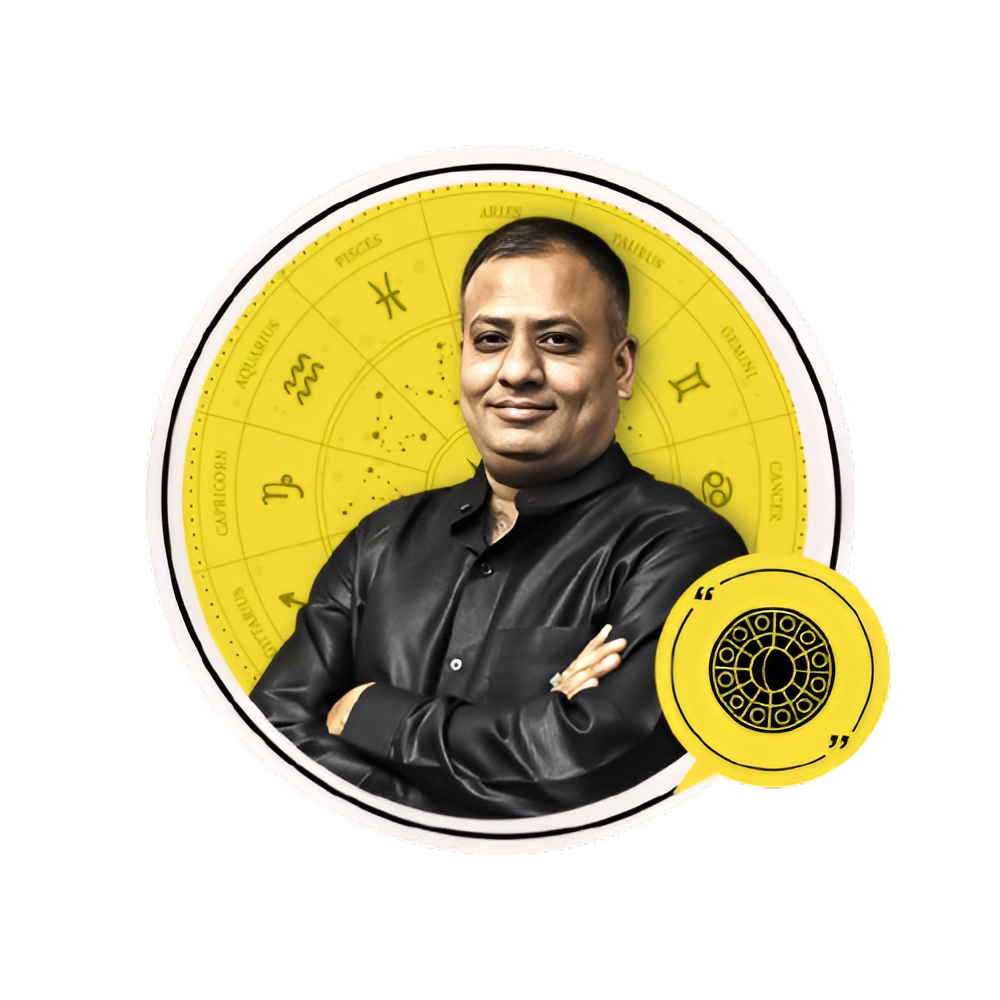
My dear seekers of truth and cosmic harmony,
There are certain days in the celestial calendar that hum with a unique spiritual energy, days when the veil between the mundane and the divine thins, offering us an unparalleled opportunity for spiritual growth and karmic refinement. One such powerful day, repeatedly emphasized in Vedic wisdom and experienced by countless sincere souls, is Ekadashi.
Today, as we delve into the profound significance of Ekadashi, I invite you to open your hearts and minds. It’s more than just a day of fasting; it's a cosmic gateway, a potent moment orchestrated by the universe itself to help us align with our higher purpose and consciously shape our destiny. As your guide on this astrological journey, I want to illuminate how harnessing Ekadashi today can be your personal compass for navigating the intricate landscape of karma and steering your life towards abundance, peace, and positive transformation.
What is Ekadashi? Understanding its Astrological and Spiritual Roots
In the vast tapestry of Hindu astrology and spirituality, Ekadashi holds a place of immense reverence. The word "Ekadashi" literally means "eleven" (Eka - one, Dasha - ten) in Sanskrit. It refers to the eleventh lunar day (tithi) of each waxing (Shukla Paksha) and waning (Krishna Paksha) moon cycle. This means there are typically two Ekadashis in a Hindu lunar month, making it a recurring opportunity for spiritual renewal.
From an astrological perspective, the Moon governs our mind, emotions, and subtle body. As the Moon waxes and wanes, its gravitational and energetic influence on Earth and its inhabitants changes. The 11th tithi is considered particularly auspicious because it’s a day when the Moon’s energy, combined with other planetary alignments, creates an environment exceptionally conducive to spiritual practices and self-purification. It’s a day when our minds are believed to be more receptive to higher vibrations and less tethered to worldly distractions.
Spiritually, Ekadashi is inextricably linked with Lord Vishnu, the preserver of the universe. It is believed that observing Ekadashi rituals pleases Lord Vishnu and attracts His divine blessings. The Puranas recount the story of Ekadashi Devi, who emerged from Lord Vishnu to slay the demon Mura, symbolizing the power of this day to destroy sins and negative karma. Thus, Ekadashi is not just a calendar date; it's a living, breathing energy imbued with ancient spiritual power.
The Cosmic Dance of Karma and Ekadashi
My friends, let's talk about karma. In astrology, karma is not merely fate; it's the sum total of our actions, thoughts, and words from this life and previous ones, shaping our present circumstances and future trajectory. Every planet in your birth chart, every house, every aspect, reflects a specific aspect of your accumulated karma – both positive (Punya) and negative (Papa).
The beauty of the Vedic system is that it doesn't just identify your karmic blueprint; it also offers powerful tools for course correction and evolution. This is where Ekadashi shines as a truly potent instrument. Think of Ekadashi as a cosmic reset button, a designated power day when our spiritual efforts are amplified manifold. Any good deed, any prayer, any act of self-discipline performed on this day is said to yield exponentially greater merit, helping to mitigate accumulated negative karma and cultivate a strong reservoir of positive karma.
Conversely, it’s also believed that negative actions or intentions on Ekadashi can have an amplified negative impact. This understanding underscores the importance of conscious living and mindful action, especially on such spiritually charged days. It's a day to be extra vigilant about our internal and external environment, ensuring we align with positive, uplifting energies.
Astrological Resonance: Why the 11th Tithi is Special
Beyond the general lunar influence, the 11th lunar day holds specific astrological significance. In Vedic astrology, the 11th house of a birth chart is known as the house of gains, desires, friendships, and fulfillment of ambitions. While Ekadashi isn't directly tied to the 11th house in the same way a planet is, the energetic resonance of the "eleventh" carries a certain potency related to achieving spiritual gains and fulfilling the higher desires of the soul. It's a day when our intentions for spiritual upliftment are more likely to bear fruit.
The Moon's transit through various nakshatras (lunar mansions) on Ekadashi can also add subtle layers of influence. An astrologer can often tell you if a particular Ekadashi aligns favorably with your personal birth chart, suggesting specific practices that might be even more beneficial for you. However, the general observance of Ekadashi is universally beneficial.
Practical Insights: How to Harness Ekadashi's Energy for Positive Karma
Now, let's get practical. How can you consciously tap into the potent energies of Ekadashi today to cultivate positive karma and elevate your spiritual journey? Here are time-honored practices:
1. Fasting (Vrata) – The Core Discipline
Fasting is perhaps the most well-known Ekadashi observance. It's not merely about abstaining from food; it's a powerful act of self-discipline that cleanses not just the physical body but also the mind and spirit. It helps break our attachment to sensory pleasures and redirects our energy inward.
- Nirjala Vrata: The strictest form, observing a complete fast without food or water for 24 hours (from sunrise on Ekadashi to sunrise on Dwadashi, the 12th lunar day). This is for those with strong physical and spiritual fortitude.
- Phalahar Vrata: Fasting only on fruits, nuts, and specific non-grain foods (like potatoes, milk products, certain vegetables). This is a more accessible option for many.
- Partial Fast: Avoiding grains (rice, wheat, lentils) and consuming only simple, sattvic (pure) food once a day. This is a good starting point for beginners.
Important Note: Always listen to your body and consult a healthcare professional if you have any health conditions before undertaking a strict fast. The intention behind the fast is more important than the strictness itself. If you cannot fast, you can still observe Ekadashi through other means.
2. Mantra Chanting and Japa – The Power of Sound
Mantra chanting is an incredibly effective way to purify the mind and connect with divine energies. On Ekadashi, the vibrations of sacred sounds are especially potent.
- Vishnu Sahasranama: Chanting the thousand names of Lord Vishnu is highly revered. Each name invokes a specific aspect of the divine, bestowing immense blessings.
- Hare Krishna Mahamantra: "Hare Krishna, Hare Krishna, Krishna Krishna, Hare Hare / Hare Rama, Hare Rama, Rama Rama, Hare Hare." This potent mantra is considered a universal purifier and a direct path to spiritual liberation.
- Om Namo Bhagavate Vasudevaya: A simple yet powerful mantra dedicated to Lord Vishnu.
Dedicate a specific time today to chant these mantras, either aloud or silently, using prayer beads (mala) for focus. The repetition creates a powerful resonance within you and around you.
3. Meditation and Prayer – Cultivating Inner Silence
Ekadashi is an ideal day to deepen your meditation practice and engage in heartfelt prayer.
Find a quiet space, sit comfortably, and focus on your breath. Allow your mind to settle. You can visualize Lord Vishnu or your chosen deity, offering your prayers and intentions. This practice helps to quiet the incessant chatter of the mind, allowing you to connect with your inner wisdom and the divine source.
4. Charity and Seva (Selfless Service) – The Direct Path to Positive Karma
Perhaps the most direct and impactful way to generate positive karma on Ekadashi is through acts of charity and selfless service. Giving without expectation of return is a fundamental principle for karmic purification.
- Feed the Needy: Donate food or provide meals to those who are hungry.
- Help the Elderly or Sick: Offer assistance to someone who needs it, whether it's running an errand or simply offering companionship.
- Environmental Seva: Plant a tree, clean up a park, or conserve resources.
- Donate to a Worthy Cause: Contribute financially to organizations that are doing good work for humanity or animals.
Remember, the intention behind the act is paramount. Give with an open heart, filled with compassion and a genuine desire to alleviate suffering.
5. Self-Reflection and Introspection – A Karmic Audit
Use Ekadashi as a day for deep introspection. Review your actions, thoughts, and speech from the past few days or weeks. Ask yourself:
- Have I caused harm to anyone, intentionally or unintentionally?
- Have I been truthful and compassionate in my interactions?
- What negative habits or thought patterns do I need to release?
- How can I be a better person, spouse, parent, friend, or citizen?
This honest self-assessment helps you identify areas for improvement and fosters a commitment to more conscious, positive living moving forward.
6. Avoiding Negative Actions and Speech
Just as positive actions are amplified, so too are negative ones. On Ekadashi, make a conscious effort to abstain from:
- Gossiping or speaking ill of others.
- Engaging in arguments or quarrels.
- Lying or deceit.
- Harboring anger, greed, or envy.
- Consuming intoxicants or engaging in excessive sensory pleasures.
By cultivating purity in thought, word, and deed, you protect your energy and ensure that your Ekadashi observance yields maximum positive results.
Ekadashi & Your Birth Chart: Personalized Karmic Guidance
While the general practices for Ekadashi are universally beneficial, an experienced astrologer can provide personalized insights based on your unique birth chart. Your planetary periods (Dashas), the placement of key planets, and specific yogas (combinations) in your chart can indicate particular areas of karmic challenge or opportunity.
For example, if your chart shows a strong influence of Saturn (Shani Dev) and you are going through a difficult Sade Sati or Dasha, offering seva to the less fortunate or chanting specific Shani mantras on Ekadashi might be particularly potent for mitigating karmic obstacles. Similarly, if Jupiter (Guru) is weak, focusing on spiritual wisdom and offering prayers for enlightenment could be more beneficial.
Understanding these nuances can make your Ekadashi observance even more targeted and effective for clearing specific karmic patterns and accelerating your spiritual progress. This is where the profound wisdom of astrology truly integrates with spiritual practice.
Overcoming Challenges and Common Misconceptions
I often hear people express reservations about observing Ekadashi:
- "I can't fast; it's too difficult." Remember, intention is key. If a full fast is not possible due to health or other commitments, observe a partial fast, abstain from grains, or simply focus on spiritual practices like chanting and meditation. The discipline is for your benefit, not a burden.
- "It feels too restrictive." Think of it not as restriction, but as liberation. By temporarily stepping away from habitual patterns, you gain freedom and clarity. It's a day to nourish the soul, not just the body.
- "Does it really work? How do I know?" The effects of karmic purification are often subtle and unfold over time. Trust the wisdom of the ages and the experiences of countless spiritual seekers. Consistency, faith, and sincerity are the ingredients for experiencing the profound benefits.
Start small, be consistent, and observe with a sincere heart. The positive changes will gradually become evident in your inner peace, mental clarity, and the circumstances that unfold in your life.
The Long-Term Benefits of Consistent Ekadashi Observance
Embracing Ekadashi as a regular practice is not just about one day's effort; it's about cultivating a rhythm of spiritual discipline that permeates your entire life. Over time, consistent observance can lead to:
- Profound Spiritual Growth: A deeper connection with the divine, enhanced intuition, and a clearer sense of purpose.
- Mental Peace and Clarity: Reduction in anxiety, stress, and mental clutter. Improved focus and decision-making.
- Improved Physical Health: Many traditional fasting practices are now scientifically recognized for their detoxifying benefits.
- Mitigation of Negative Karma: Gradually lessening the burden of past actions and preventing the accumulation of new negative karma.
- Attracting Positive Circumstances: By aligning with higher vibrations, you naturally draw more positive experiences, people, and opportunities into your life.
- Emotional Balance: Better control over emotions and a more harmonious disposition.
Each Ekadashi is a step on your journey, a gentle nudge from the cosmos to remind you of your inherent divine nature and your power to shape your destiny.
So, as you go through your day today, be mindful. Recognize the special energy of Ekadashi. Whether you choose to fast strictly, chant a simple mantra, offer a helping hand, or simply spend a few moments in quiet contemplation, know that you are participating in an ancient, powerful tradition that has guided countless souls towards greater harmony and spiritual fulfillment. Embrace this cosmic opportunity to cleanse your slate, elevate your spirit, and consciously create a future rich with positive karma.
May your Ekadashi be blessed with peace, clarity, and abundant grace.

Astrologer Abhishek Soni
India's Top Celebrity Astrologer | 50,000+ Consultations | Vedic Astrology, Numerology & Vastu Expert
Book Consultation