Today's Ekadashi: Exact Puja Timings and Rituals for Maximum Blessings
Today's Ekadashi: Exact Puja Timings and Rituals for Maximum Blessings...
Today's Ekadashi: Exact Puja Timings and Rituals for Maximum Blessings
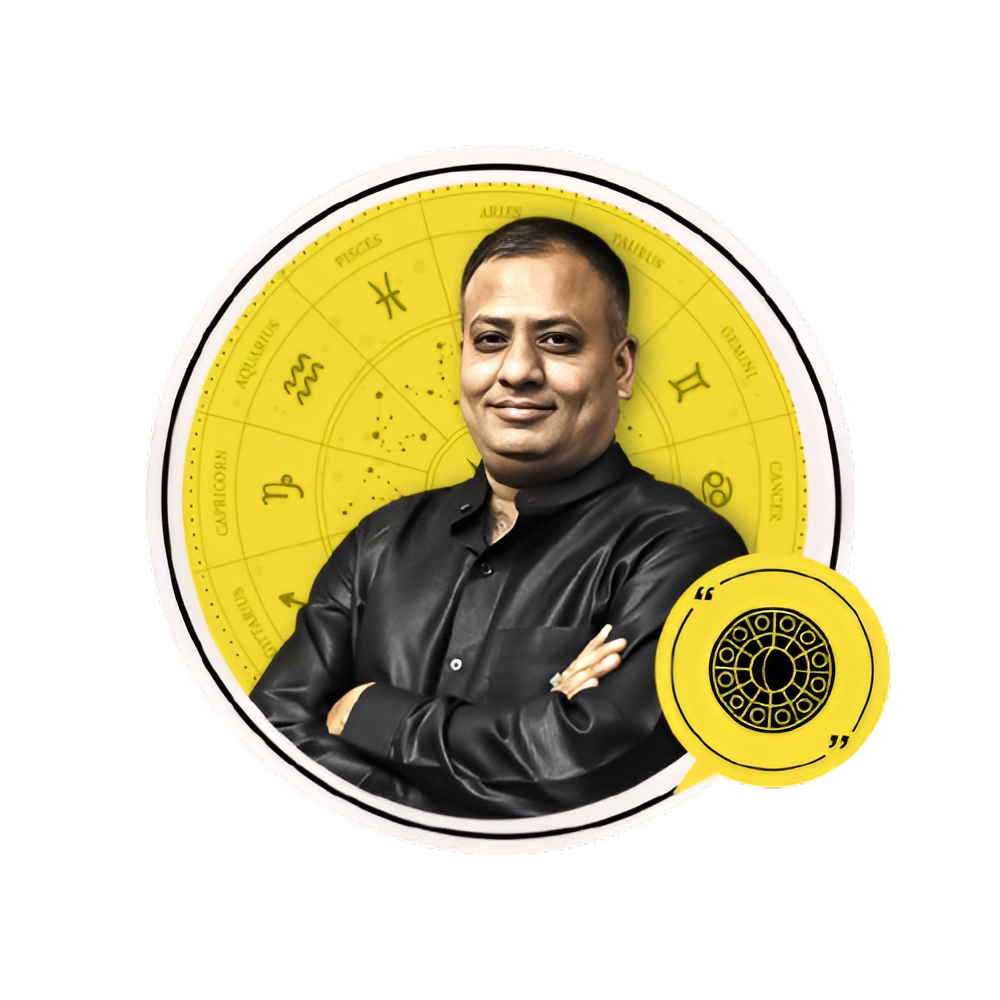
My dear seekers of truth and spiritual well-being, Namaste! It's Abhishek Soni here, your guide on this fascinating journey through the cosmos and the ancient wisdom of our traditions. Today, we stand on the threshold of an incredibly potent day – an Ekadashi. This isn't just another day on the calendar; it's a divine gateway, a unique opportunity to cleanse our minds, purify our souls, and invite an abundance of blessings into our lives. If you've ever wondered about the true power of Ekadashi, how to perform the puja correctly, and the exact timings to harness its maximum energy, you've come to the right place. Let's delve deep into the sacred practices that can transform your spiritual journey.
At abhisheksoni.in, my mission is to demystify these ancient practices and make them accessible, practical, and truly impactful for your modern life. So, settle in, take a deep breath, and let's unlock the secrets of today's Ekadashi together.
What is Ekadashi and Why is it So Potent?
The term "Ekadashi" literally means the "eleventh" day. It refers to the eleventh lunar day of each of the two lunar fortnights in a Hindu calendar month – one during the waxing moon (Shukla Paksha) and one during the waning moon (Krishna Paksha). This means we have roughly 24 Ekadashis in a year, sometimes 26 in a leap year!
But Ekadashi is far more than just a date. It's profoundly associated with Lord Vishnu, the preserver of the universe. Legend has it that on this day, Ekadashi Devi emerged from Lord Vishnu to defeat the demon Mura. Pleased with her, Lord Vishnu declared that anyone who fasts on this day would be freed from sins and attain salvation.
From an astrological perspective, the moon's influence is particularly strong on the eleventh day, affecting our minds and bodies. Fasting and spiritual practices on Ekadashi help to mitigate these lunar influences, bringing mental clarity, emotional balance, and heightened spiritual awareness. It's a day designed for introspection, devotion, and earning immense spiritual merit. Neglecting Ekadashi is often seen as missing a significant opportunity for spiritual upliftment and attracting divine grace.
Identifying Today's Specific Ekadashi
While the core principles of Ekadashi remain constant, each Ekadashi has a unique name, story (Vrat Katha), and sometimes even specific deities or rituals associated with it. For example, some are known for granting progeny, others for liberation, and some for removing specific obstacles.
To truly maximize your blessings, it's beneficial to know the specific name of today's Ekadashi. You can easily find this by checking a reliable Hindu calendar or a Panchang app. Once you know the name (e.g., Nirjala Ekadashi, Yogini Ekadashi, Devshayani Ekadashi), you can:
- Read its specific Vrat Katha (story) to understand its unique significance.
- Focus on any specific deity or mantra associated with that particular Ekadashi.
- Align your intentions with the specific boons offered by that Ekadashi.
For the purpose of this guide, we'll focus on the universal practices applicable to all Ekadashis, but always encourage you to identify the specific one for deeper connection.
Crucial Puja Timings for Maximum Impact
In spirituality, timing is often everything. Performing your rituals at the right time (muhurta) can amplify their effects manifold. For Ekadashi, this is especially true. Let's break down the most important timings:
The Golden Rule: Brahma Muhurta
The Ekadashi observance truly begins even before sunrise. The period approximately 96 minutes before sunrise is known as Brahma Muhurta – the time of the Creator. This is considered the most auspicious time for spiritual practices, meditation, and connecting with the divine. The atmosphere is calm, pure, and highly conducive to spiritual absorption.
- Wake Up Early: Aim to wake up during Brahma Muhurta. For most places, this is typically between 4:00 AM and 5:30 AM, but it varies with sunrise.
- Purification: Take a purifying bath (snana). If possible, add a few drops of Ganga water to your bath.
- Meditation & Chanting: Sit in a clean space, facing East or North, and meditate or chant your chosen mantra (e.g., Om Namo Bhagavate Vasudevaya).
- Sankalpa (Vow): This is when you make your solemn vow for the Ekadashi fast. More on this below.
Practical Insight: Even if you're not an early riser normally, make an extra effort on Ekadashi. The energy of this time is genuinely palpable and sets a powerful tone for your entire day of observance.
Main Puja Timings (Daytime)
While Brahma Muhurta is for personal spiritual practice, the main Ekadashi puja to Lord Vishnu can be performed after your morning purification, typically in the late morning, after sunrise. There isn't a single "exact minute" for the main puja, but the window after bathing and before noon is generally preferred.
- Morning (after sunrise): Once you've completed your Brahma Muhurta practices and taken your bath, prepare your puja altar.
- Ideal Window: Between 7:00 AM and 12:00 PM is a good window for the elaborate puja, if you plan to do one.
- Flexibility: If you have work or family commitments, you can perform a shorter, simpler puja. The key is the devotion and intention, not just the length of the ritual.
Practical Insight: Consistency is key. Choose a time that you can realistically commit to, even if it's just 15-20 minutes, and perform your puja with sincerity.
Parana Timings: Breaking the Fast Correctly
This is perhaps the most critical timing for any Ekadashi observance. "Parana" means breaking the fast. If you break your fast at the wrong time – either too early or too late – it's believed that the entire merit of your Ekadashi fast can be nullified. The Parana is always done on the Dwadashi Tithi (the twelfth lunar day), within a specific window.
- Check Your Local Panchang: The precise Parana timing depends on your geographical location and the specific Ekadashi. It's crucial to consult a reliable local Panchang (Hindu calendar) or an online resource for the exact Parana window for your area.
- The Parana Window: This window typically begins shortly after sunrise on Dwadashi and lasts for a few hours. It's usually indicated as "Ekadashi Parana Time."
- Avoid Dwadashi Krishna Paksha (Dark Half) and Hari Vasara: Never break your fast during Hari Vasara, which is the first one-fourth of Dwadashi. This period is considered very inauspicious for Parana. Most reliable Panchangs will account for this and provide the correct Parana window.
- Simple Breaking: To break the fast, take a small amount of Ekadashi-appropriate food. Often, a single grain of rice, a little tulsi water, or a small piece of fruit is sufficient to formally break the fast, after which you can have a full meal.
Example Remedy: If, for any reason, you cannot find the exact Parana time or fear breaking it incorrectly, simply take a little Ganga Jal (Gangetic water) or sacred water with a Tulsi leaf, offer it to Lord Vishnu, and then consume it yourself. This is considered a potent way to ensure the fast is properly concluded and its merits preserved.
Step-by-Step Ekadashi Puja Rituals
Now, let's walk through the rituals that make up a powerful Ekadashi puja. Remember, the essence lies in devotion (bhakti) and sincere intention (bhavana).
Before the Puja: Preparation is Key
Preparation isn't just physical; it's also mental and spiritual.
- Cleanliness: Ensure your puja space, your body, and your clothes are clean. Take a bath and wear fresh, clean clothes.
- Altar Setup: Clean your altar (if you have one) or a designated clean spot. Lay a clean cloth.
- Gather Puja Items:
- An idol or picture of Lord Vishnu (or Krishna, Rama, any form of Vishnu).
- A small plate or tray for offerings.
- Water (in a kalash or small pot).
- Tulsi leaves (most important!).
- Flowers (especially yellow ones, Vishnu's favorite).
- Incense sticks (agarbatti) and a lamp (diya) with ghee or oil.
- Sandalwood paste (chandan) and kumkum (red powder).
- Sweets (mithai) or fruits for Prasad (offerings).
- A bell (ghanti).
- A small conch shell (shankh) if available.
- Mental Preparation: Clear your mind of worldly worries. Focus on the divine presence of Lord Vishnu.
The Sacred Sankalpa (Vow)
This is a crucial step. A Sankalpa is a solemn vow or intention made before commencing a spiritual practice. It declares your purpose to the divine and strengthens your resolve.
- Sit Comfortably: After your morning bath, sit in front of your altar.
- Hold Water and Tulsi: Take a little water in your right palm, along with a few Tulsi leaves.
- State Your Intention: Mentally or verbally state your vow. For example: "I, [Your Name], residing in [Your Location], am observing this Ekadashi Vrat today, [Name of Today's Ekadashi], to please Lord Vishnu and attain [mention your specific desire, e.g., spiritual growth, good health, removal of obstacles, or simply divine blessings]. I vow to observe this fast with utmost sincerity and devotion, and I pray for strength to complete it successfully."
- Release the Water: Pour the water into a plate or back into the main water pot, signifying the commencement of your vow.
Practical Insight: Be specific and sincere in your Sankalpa. It gives direction and power to your observance.
The Main Puja: Connecting with the Divine
Once your Sankalpa is made, you can proceed with the main worship.
- Invocation (Dhyanam): Light the lamp and incense. Meditate on the form of Lord Vishnu. You can chant a simple mantra like "Om Namo Bhagavate Vasudevaya" or "Shantaakaram Bhujagashayanam".
- Aasan: Offer a seat to the deity by placing a flower or a few grains of rice.
- Padya & Arghya: Offer water for washing the feet and hands (symbolically, by sprinkling water).
- Achamaniyam: Offer water for sipping.
- Snanam: Symbolically bathe the deity with water (or panchamrit - milk, curd, ghee, honey, sugar, if doing an elaborate abhishek).
- Vastra: Offer new clothes (symbolically, by offering a thread or flower).
- Gandham: Apply sandalwood paste (chandan) to the deity.
- Pushpam: Offer fresh flowers, especially Tulsi leaves. Tulsi is paramount to Lord Vishnu. Offer at least one Tulsi leaf, chanting "Om Namo Bhagavate Vasudevaya" with each offering.
- Dhupam & Deepam: Light incense sticks and wave the lamp (diya) in front of the deity.
- Naivedyam: Offer sweets, fruits, or any Ekadashi-appropriate food you've prepared. Ensure it's vegetarian and free from grains, pulses, and onions/garlic.
- Mantra Chanting: Sit and chant Vishnu mantras. The Vishnu Sahasranama (1000 names of Vishnu) is incredibly powerful. If time is short, chant "Om Namo Bhagavate Vasudevaya" 108 times (one mala) or as many times as you can.
- Aarti: Perform Aarti with your lamp, singing a devotional song to Lord Vishnu.
- Pranama & Kshama Prarthana: Bow down to the deity, offering your humble obeisance. Ask for forgiveness for any errors committed during the puja.
- Prasad Distribution: Distribute the offered Prasad to family members.
Practical Insight: Don't get overwhelmed by the steps. Even offering a glass of water, a Tulsi leaf, and chanting with a pure heart is deeply appreciated by the divine.
During the Day: Maintaining the Spirit
The observance of Ekadashi extends throughout the day, not just during puja time.
- Chanting & Meditation: Continue chanting your mantra throughout the day whenever possible. Listen to devotional music or kirtans.
- Reading Scriptures: Read sacred texts like the Bhagavad Gita, Vishnu Purana, or stories of Vishnu's avatars.
- Avoid Negativity: Refrain from gossip, anger, criticism, and any form of negativity. Keep your mind focused on the divine.
- Charity (Daan): If possible, perform acts of charity. Donate food (after your fast breaks), clothes, or money to the needy. This amplifies the merits of your fast.
- Sleep Control: Avoid sleeping excessively during the day. If you must rest, keep it short.
Fasting on Ekadashi: A Path to Purity
Fasting is a central aspect of Ekadashi, aimed at purifying the body and mind. It's a way to redirect our energy from physical consumption to spiritual contemplation.
Types of Fasting
There are various ways to observe the Ekadashi fast, depending on one's health, spiritual inclination, and capacity.
- Nirjala Vrat (Waterless Fast): This is the most stringent fast, observed without consuming even a drop of water for 24 hours (from sunrise on Ekadashi to Parana on Dwadashi). It requires immense willpower and is generally recommended only for those in excellent health and with prior experience.
- Phalahari Vrat (Fruit & Milk Fast): This involves consuming only fruits, milk, nuts, and specific Ekadashi-friendly vegetables (like potatoes, sweet potatoes, taro root, certain gourds). Grains, pulses, rice, wheat, onion, and garlic are strictly avoided. This is the most common form of Ekadashi fast.
- Partial Fast (Grain-Free): For those who cannot manage a full phalahari fast, simply abstaining from grains (rice, wheat, lentils, beans) but consuming other regular foods (like milk products, some vegetables, certain flours like kuttu/buckwheat or singhara/water chestnut flour) is also acceptable.
- One-Time Meal: Some observe by having only one meal, free of grains, during the day.
Practical Insight: Choose a fast that is sustainable and safe for your health. The intention and devotion are more important than the severity of the fast. Starting with a partial or phalahari fast is a good approach for beginners.
Who Should (and Shouldn't) Fast
While Ekadashi fasting is highly beneficial, it's not for everyone.
- Those Who Should Avoid Strict Fasting:
- Pregnant women.
- Small children and infants.
- The elderly and infirm.
- Individuals with chronic medical conditions (diabetes, heart disease, high/low blood pressure, kidney issues, etc.).
- Those taking strong medications.
- Anyone feeling unwell or weak.
- Alternatives for Those Who Cannot Fast:
- Observe a very light fast (e.g., just water, or only milk).
- Abstain from grains and pulses, but eat other foods.
- Simply avoid non-vegetarian food, alcohol, and tobacco.
- Increase chanting, meditation, and prayer.
- Perform acts of charity.
- Listen to or read spiritual discourses and Vrat Kathas.
Remedy: If you cannot fast, consider donating food or offering a meal to a Brahmin or a needy person. This selfless act carries significant spiritual merit.
The Spiritual Benefits of Fasting
Beyond the religious mandate, fasting on Ekadashi offers profound benefits:
- Physical Detoxification: It gives your digestive system a much-needed rest, aiding in bodily cleansing.
- Mental Clarity: Reduced food intake can calm the mind, improve focus, and enhance concentration.
- Self-Control & Discipline: It strengthens your willpower and teaches you mastery over your senses and desires.
- Heightened Devotion: The physical austerity helps to shift your focus from worldly pleasures to spiritual pursuits, deepening your connection with the divine.
- Accumulation of Punya (Merit): It's believed to cleanse past sins and accumulate positive karma.
Practical Insights & Remedies from an Astrologer
As an astrologer, I see Ekadashi as a powerful astrological remedy in itself. Here's how to integrate that perspective:
Connecting Ekadashi to Your Birth Chart
The Moon (representing mind, emotions) and Jupiter (representing wisdom, dharma, blessings of Vishnu) are significant in an Ekadashi observance. If your birth chart shows a weak Moon or an afflicted Jupiter, observing Ekadashi can be a potent remedy.
- Weak Moon: If you struggle with emotional instability, anxiety, or lack of mental peace, Ekadashi fasting and meditation can strengthen your Moon, bringing inner calm.
- Afflicted Jupiter: If Jupiter is weak or poorly placed, leading to struggles with finances, wisdom, children, or spiritual guidance, then dedicated Lord Vishnu worship on Ekadashi can appease Jupiter and invite its benevolent blessings.
- Dasha Periods: Observing Ekadashi during specific Dasha periods (e.g., Jupiter Dasha, Moon Dasha, or even Mercury Dasha as Mercury is a friend of Vishnu) can enhance the positive effects and mitigate negative ones.
Astrological Remedy: For those facing challenges related to Jupiter, offer yellow flowers, chana dal (split chickpeas), or yellow sweets to Lord Vishnu on Ekadashi. For Moon-related issues, focus on milk and white offerings.
For Those Who Cannot Fast Fully
I understand that life can be demanding, and not everyone can commit to a full fast. The divine understands this too. What truly matters is the devotion and intention.
- Increased Chanting: Dedicate more time to chanting "Om Namo Bhagavate Vasudevaya" or the Hare Krishna Maha Mantra. Even silently repeating the mantra throughout the day is powerful.
- Seva (Service): Perform selfless service. Help someone in need, volunteer, or simply offer kindness.
- Listen to Vrat Kathas: Find the Vrat Katha for today's Ekadashi and listen to it or read it. This connects you to the specific energy of the day.
- Charity: Donate food, money, or clothes to a temple or a charity that helps the less fortunate. This is considered equivalent to a fast for many.
Personal Example: I often advise clients who are ill or elderly to simply perform extra rounds of Japa (mantra chanting) and offer a specific prayer to Lord Vishnu on Ekadashi. The results are often just as profound as a physical fast, because the heart's intention is pure.
The Power of Tulsi on Ekadashi
Tulsi, the holy basil, is exceptionally sacred to Lord Vishnu. No offering to Vishnu is considered complete without Tulsi. On Ekadashi, its significance is amplified.
- Offer Tulsi Leaves: Always include fresh Tulsi leaves in your puja offerings. Do not pluck Tulsi leaves on Ekadashi itself; pluck them the day before.
- Consume Tulsi: After the puja, consume a Tulsi leaf. It's believed to purify the body and mind, and protect against negative influences.
- Tulsi Water: Drinking water infused with Tulsi leaves is highly beneficial.
- Circumambulation: If you have a Tulsi plant at home, circumambulate it (Parikrama) while chanting, especially during Brahma Muhurta.
Remedy: If you're observing a Nirjala fast and feel weak, a single Tulsi leaf steeped in water, consumed with devotion, is often allowed as it's considered divine grace rather than breaking the fast.
Overcoming Challenges During the Fast
Fasting, especially strict ones, can bring physical and mental challenges. Here’s how to navigate them:
- Mind Over Matter: Remind yourself of the spiritual purpose of the fast. Focus on Lord Vishnu and the blessings you seek.
- Hydration (for non-Nirjala fasts): If observing a Phalahari or partial fast, stay hydrated with water, fresh fruit juices, coconut water, or buttermilk.
- Rest: If you feel tired, take short breaks or meditate. Avoid strenuous physical activity.
- Positive Environment: Surround yourself with positive energy. Listen to spiritual discourses, devotional music, or spend time in nature.
- No Breaking Early: Avoid the temptation to break the fast before the designated Parana time. Remind yourself of the merit you are accumulating.
Concluding Thoughts and Blessings
My dear friends, Ekadashi is a profound gift from the divine, a spiritual pit stop in our busy lives. It's a day when the spiritual energies are heightened, making our prayers, fasts, and good deeds more potent. By understanding the exact puja timings and rituals, and approaching them with sincerity and devotion, you are not just performing a ritual; you are actively participating in your own spiritual evolution.
May today's Ekadashi bring you immense peace, purity, and countless blessings from Lord Vishnu. May your mind be clear, your heart be filled with devotion, and your life be guided by wisdom and grace. Remember, even a small, sincere effort on this sacred day holds immense value.
For more personalized astrological guidance, remedies, or to understand how these spiritual practices align with your unique birth chart, feel free to explore abhisheksoni.in. I am always here to assist you on your journey.

Astrologer Abhishek Soni
India's Top Celebrity Astrologer | 50,000+ Consultations | Vedic Astrology, Numerology & Vastu Expert
Book Consultation