Unlock Divine Peace: Ekadashi Meditation for Spiritual Awakening Today
...
Unlock Divine Peace: Ekadashi Meditation for Spiritual Awakening Today
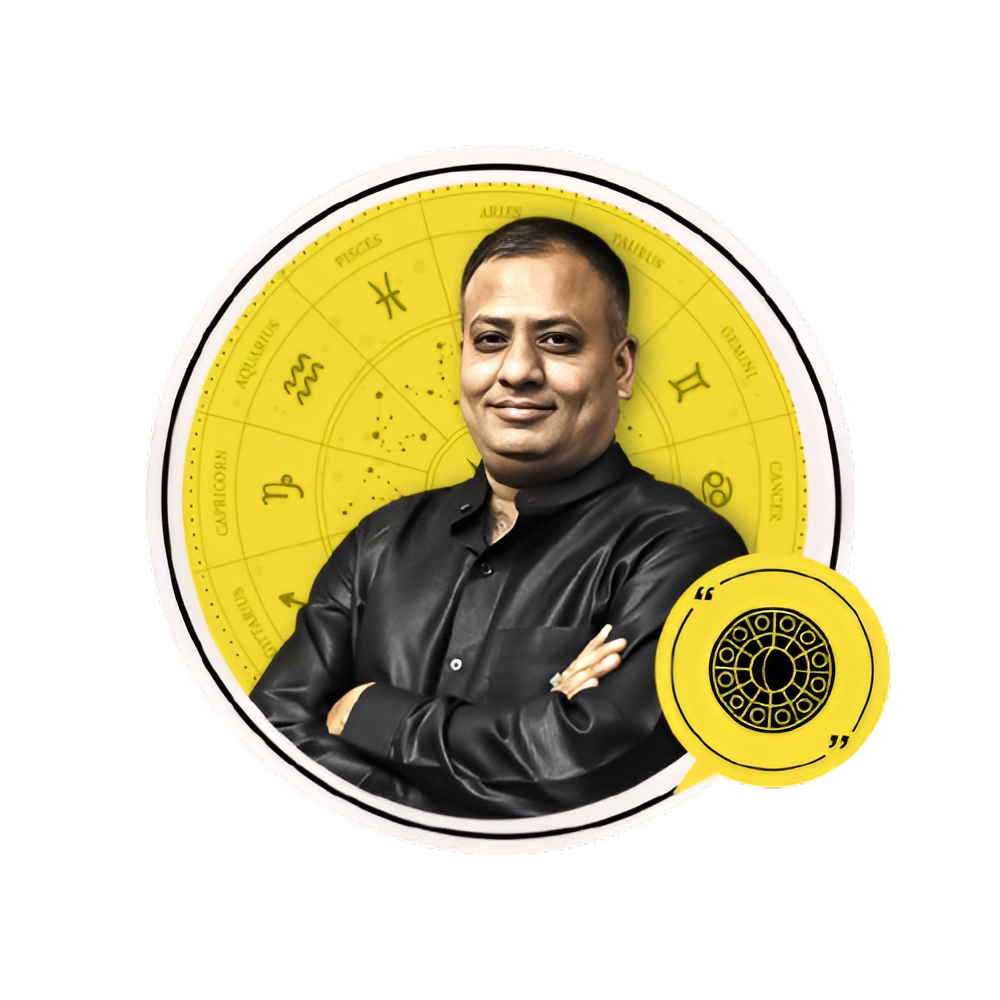
Greetings, dear seekers of wisdom and peace! It's Abhishek Soni here, your guide through the celestial pathways, and today, we're diving deep into a truly profound topic:
Many of you reach out, seeking ways to calm the mind, find clarity, and tap into a deeper sense of purpose. You're looking for practical tools, not just abstract philosophy. And that's precisely what Ekadashi, observed on the eleventh day of each lunar fortnight, offers – a powerful, time-tested pathway to
What is Ekadashi? A Deeper Look into This Sacred Day
At its core, Ekadashi is the eleventh Tithi (lunar day) of each of the two lunar phases – the waxing (Shukla Paksha) and waning (Krishna Paksha) moon. This means there are typically two Ekadashis in a Hindu lunar month. But it's far more than just a date on a calendar; it's a potent energetic window, revered in Vedic traditions for millennia as a day dedicated to Lord Vishnu and His various forms.
The significance of Ekadashi stems from its deep connection to the lunar cycle and its profound influence on our minds and bodies. The moon, as you know from astrology, is the karaka (significator) of the mind, emotions, and consciousness. As the moon waxes and wanes, it subtly affects the ebb and flow of our internal waters, our thoughts, and our emotional states. On Ekadashi, specific lunar energies are at play, creating an environment exceptionally conducive for spiritual practices.
Historically, Ekadashi has been observed with fasting, chanting, and devoted prayers. The traditional Ekadashi fast, abstaining from grains and certain foods, isn't merely about dietary restriction; it's a sophisticated spiritual technique designed to lighten the body and quiet the mind, making it more receptive to higher vibrations. This physical purification directly aids in mental and spiritual cleansing, preparing the ground for deeper meditation.
The Mythological Roots of Ekadashi
Legend has it that Ekadashi emerged from the body of Lord Vishnu to defeat the demon Mura. This victory over Mura represents the triumph of divine will over negativities and obstacles within us. Thus, observing Ekadashi is seen as an act of aligning with this victorious divine energy, helping us conquer our inner demons of doubt, desire, and distraction. It's a day to remember our inherent strength and connection to the divine source.
The Astrological Significance of Ekadashi Meditation
From an astrological perspective, Ekadashi holds particular importance. The Moon, representing our mind (Manas), emotions, and subconscious, is a pivotal planet in Vedic astrology. Its position and phase significantly impact our mental well-being and spiritual receptivity.
- Lunar Influence: On the 11th lunar day, the Moon's energy is thought to be particularly potent and aligned in a way that supports introspection and spiritual pursuit. The fasting tradition is believed to reduce the "heaviness" or tamasic qualities often associated with a turbulent mind, allowing for greater sattvic (pure, clear) energy to prevail.
- The 11th Tithi and Houses: The number 11 itself carries spiritual significance. In astrology, the 11th house signifies gains, desires, spiritual aspirations, elder siblings, and the fulfilment of wishes. Observing Ekadashi aligns us with the positive energies of the 11th house, helping us gain spiritual insights and fulfill our higher desires for peace and liberation.
- Planetary Rulers: Each Tithi has a ruling deity and sometimes a planetary association. Understanding these nuances can further personalize your Ekadashi practice. For instance, specific Ekadashis dedicated to particular forms of Vishnu (like Narayana, Krishna, Rama) might resonate more strongly with individuals having certain planetary placements or inclinations in their birth chart.
As an astrologer, I often see how people's capacity for
Why Meditate on Ekadashi? The Spiritual Science Explained
You might be thinking, "I can meditate any day, why Ekadashi?" And you're right, consistency in meditation is key. However, Ekadashi offers a unique advantage, like sailing with the wind rather than against it. Here's why:
- Amplified Spiritual Benefits: The cosmic energies on Ekadashi are believed to amplify the effects of spiritual practices. A meditation session on Ekadashi can feel deeper, more profound, and yield greater insights than on other days. It's like having a spiritual accelerator.
- Reduced Mental Chatter: When observed with fasting (even a partial one, like avoiding grains), the body's energy isn't diverted to digestion. This frees up mental energy, naturally reducing the incessant chatter of the mind and making it easier to focus and go inward.
- Enhanced Receptivity: The purification of body and mind makes us more receptive to divine energy, intuitive insights, and higher consciousness. It's like clearing static from a radio frequency so you can hear the broadcast more clearly.
- Cleansing and Detoxification: Beyond the physical detox, Ekadashi meditation aids in mental and emotional detoxification. We release accumulated stress, negative thought patterns, and emotional blockages, paving the way for
inner peace and clarity. - Karma Reduction: According to ancient texts, spiritual observances on Ekadashi are particularly potent for mitigating negative karmic imprints and accumulating spiritual merit (punya). This isn't about earning rewards but about purifying our spiritual ledger.
Preparing for Your Ekadashi Meditation: Practical Steps
To truly unlock the power of Ekadashi, preparation is key. Think of it as preparing a sacred space not just around you, but within you.
Setting the Intention
Before you even begin, ask yourself: Why am I meditating today? Is it for peace, clarity, spiritual connection, or perhaps to overcome a specific challenge? Setting a clear, positive intention acts as a powerful guide for your practice. State it simply, either silently or aloud: "Today, I meditate to connect with divine peace and awaken my inner wisdom."
Physical Preparation
- Fasting (Listen to Your Body): While traditional Ekadashi involves a full fast, it's crucial to
listen to your body . Options include:- Full Nirjala Fast: No food, no water (for experienced practitioners only, consult your doctor if needed).
- Phalahari Fast: Fruits, nuts, dairy, and non-grain vegetables.
- Partial Fast: Avoiding grains, legumes, and certain spices, while consuming simple sattvic foods.
- Cleanliness: Take a purifying bath or shower. Wear clean, comfortable clothes. This physical cleanliness symbolises mental and spiritual purification.
- Creating a Sacred Space: Designate a quiet corner for your meditation. It could be simple – a clean mat or cushion, perhaps a candle, incense, or a picture of a deity that resonates with you. The key is creating an environment free from distractions, imbued with a calm energy.
Mental Preparation
- Silence and Detachment: In the hours leading up to your meditation, try to minimise external stimuli. Reduce screen time, avoid intense conversations or debates, and gently detach from daily worries.
- Chanting a Mantra: Even before sitting for formal meditation, you can begin to prepare your mind by silently or audibly chanting a mantra. A universal mantra like "Om" or a specific Vishnu mantra like "Om Namo Bhagavate Vasudevaya" can help align your consciousness.
- Positive Affirmations: Affirm your commitment to your spiritual journey. "I am open to divine wisdom. I am peace."
Your Ekadashi Meditation Practice: A Step-by-Step Guide
Now, let’s get into the practical aspect of how to meditate on Ekadashi. This guide is designed to be accessible, whether you're a seasoned meditator or just starting your journey.
- Find Your Posture:
- Sit comfortably with your spine erect but relaxed. You can sit cross-legged on the floor (padmasana, siddhasana, or sukhasana), on a cushion, or on a chair with your feet flat on the ground.
- Ensure your head, neck, and spine are aligned. Gently drop your shoulders.
- Rest your hands comfortably in your lap, palms up (gyan mudra or dhyana mudra) or down, whichever feels natural.
- Close Your Eyes and Settle:
- Gently close your eyes. Take a few deep, conscious breaths. Inhale slowly through your nose, letting your abdomen expand, and exhale fully, feeling your body relax.
- Let go of any tension you might be holding. Scan your body from head to toe, consciously relaxing each part.
- Breath Awareness (Pranayama Introduction):
- Bring your awareness to your natural breath. Don't try to change it, just observe it. Feel the air entering and leaving your nostrils, the rise and fall of your chest or abdomen.
- You can deepen this by practicing a simple pranayama like Nadi Shodhana (alternate nostril breathing) for 5-10 minutes before your main meditation, to balance your energies.
- Choose Your Focus: This is where your
Ekadashi meditation deepens. You can choose one of the following:- Mantra Repetition (Japa Meditation): Silently or softly repeat a mantra. The most common for Ekadashi is "Om Namo Bhagavate Vasudevaya." Let the sound and vibration fill your being. When your mind wanders, gently bring it back to the mantra.
- Breath as Anchor: Continue to focus solely on the sensation of your breath. Every time your mind drifts, acknowledge the thought without judgment, and gently return your attention to your breath.
- Visualisation: You can visualise a divine form (e.g., Lord Vishnu, Krishna, or a form that resonates with you) in your heart center or third eye. Or, visualise a pure, golden light entering your body with each inhale, purifying you, and leaving with each exhale, carrying away impurities.
- Heart Center Focus: Place your attention on your Anahata (heart) chakra. Feel gratitude, love, and compassion radiating from this center.
- Duration:
- Start with 10-15 minutes if you're new to meditation. Gradually increase your duration to 30 minutes, 45 minutes, or even an hour as you become more comfortable.
- Consistency is more important than duration. Even a short, sincere practice is profoundly beneficial.
- Ending Your Practice:
- When you're ready to conclude, slowly bring your awareness back to your body and surroundings.
- Take a few more deep breaths.
- Gently rub your palms together to create warmth, then place them over your closed eyes.
- Slowly open your eyes, taking a moment to absorb the peace and quiet you've cultivated.
- Express gratitude for the opportunity to connect with the divine.
- Post-Meditation Practices:
- Engage in quiet reflection or journaling. Note down any insights, feelings, or experiences.
- Read sacred texts or scriptures.
- Maintain a sense of mindfulness and calm throughout the rest of the day.
Specific Ekadashi Meditation Techniques for Deeper Connection
While the general guide above is effective, here are a few specific techniques you might explore on Ekadashi to deepen your experience:
Mantra Japa with Malas
Using a mala (rosary beads) can be incredibly helpful for maintaining focus during mantra meditation. Each bead represents one repetition of the mantra. This tactile engagement keeps the mind anchored and helps you track your rounds. For Ekadashi, repeating "Om Namo Bhagavate Vasudevaya" 108 times (one full mala) or multiple malas is a powerful practice to connect with Lord Vishnu's energy.
Trataka (Gazing Meditation)
For some, focusing on an external point can be easier. Light a candle and place it at eye level about an arm's length away. Gaze steadily at the flame without blinking for as long as comfortable. When your eyes water, close them and visualise the flame in your mind's eye. This practice strengthens concentration and can open the
Chakra Balancing Meditation
Focus on balancing your chakras, particularly the Anahata (heart) chakra, which governs love, compassion, and spiritual connection. Visualise green light radiating from your heart, expanding with each breath, filling you with unconditional love and peace. On Ekadashi, aligning your internal energy centers with the cosmic flow can be exceptionally potent.
Overcoming Challenges & Maximising Benefits of Your Ekadashi Meditation
Even with the best intentions, meditation can present challenges. Here’s how to navigate them:
- Distractions: It's natural for the mind to wander. When thoughts arise, don't get frustrated. Simply acknowledge them without judgment and gently return your focus to your breath or mantra. Think of thoughts as clouds passing in the sky – you observe them but don't get carried away by them.
- Physical Discomfort: If you experience discomfort, gently adjust your posture. If pain persists, take a break and return. The goal is comfort and stillness, not agony. Sometimes, stretching before meditation can help.
- Doubt and Impatience: Spiritual growth is a journey, not a race. Trust the process. Even if you don't feel profound shifts immediately, know that you are planting seeds of peace and awareness.
Consistency is key . - Maximising Benefits:
- Journaling: After your meditation, spend a few minutes journaling your experience. What thoughts came up? What sensations did you notice? Any insights? This helps integrate the experience.
- Mindful Living: Try to carry the calm, present awareness from your meditation into your daily activities. Eat mindfully, speak mindfully, and listen mindfully.
- Community: If possible, meditate with like-minded individuals or join an online Ekadashi group. Shared energy can be very uplifting.
The Astrologer's Perspective: Customising Your Ekadashi Practice
As an astrologer, I always advocate for a personalized approach to spiritual practices. While Ekadashi is universally beneficial, understanding your birth chart can reveal unique insights into how you can make your meditation even more impactful:
- Planetary Influences: If your Moon is particularly afflicted in your birth chart (e.g., with Rahu, Ketu, or Saturn), regular Ekadashi observance and meditation can act as a powerful remedy to bring peace to your mind and emotions.
- Deity Specificity: Your chart might indicate a strong connection to a particular deity or a need to propitiate a specific planet. For example, if Jupiter is strong and benefic, meditation on philosophical concepts or expansion of consciousness might resonate deeply. If Venus is prominent, devotional (bhakti) meditation could be very rewarding.
- Chakra Alignment: Certain planetary placements can indicate imbalances in specific chakras. An astrologer can guide you on which chakra to focus on during your Ekadashi meditation to bring about greater harmony.
Consulting with an experienced astrologer like myself can provide tailored guidance, helping you choose mantras, deities, or meditation techniques that are optimally aligned with your unique astrological blueprint, making your
Integrating Ekadashi Peace into Your Daily Life
The beauty of Ekadashi meditation isn't just confined to the hours you spend in stillness. The real transformation happens when you carry that sense of peace and awareness into your daily life. Think of Ekadashi as a spiritual recalibration point, a day to consciously reset your internal compass.
The calm you cultivate, the clarity you gain, and the connection you feel are meant to permeate your entire being. When you return to your routines, try to maintain:
- Mindful Actions: Perform your tasks with presence and awareness, rather than rushing through them.
- Compassionate Interactions: Let the love and compassion you felt in meditation extend to your relationships.
- Gratitude: Keep a grateful heart for all blessings, big and small.
- Conscious Choices: Use the clarity gained to make decisions that align with your higher self.
By making Ekadashi a regular part of your spiritual regimen, you're not just observing a ritual; you're building a reservoir of inner strength and peace that can sustain you through all of life's ups and downs. This consistent
Embrace this auspicious day, dear friends, and allow its sacred energy to guide you towards a deeper connection with your true self and the boundless source of divine peace that resides within and around us. The journey to

Astrologer Abhishek Soni
India's Top Celebrity Astrologer | 50,000+ Consultations | Vedic Astrology, Numerology & Vastu Expert
Book Consultation