Unlock Spiritual Power: Sacred Ekadashi Rituals for Today
Unlock Spiritual Power: Sacred Ekadashi Rituals for Today...
Unlock Spiritual Power: Sacred Ekadashi Rituals for Today
My dear friends and fellow seekers on this incredible journey of life, Namaste! As an astrologer deeply immersed in the ancient wisdom traditions, I've witnessed firsthand the profound transformative power that certain cosmic alignments bring into our lives. And among them, none shines quite as brightly, or offers such potent spiritual benefits, as Ekadashi.
Today, as the moon graces us with its eleventh tithi, we stand at a unique crossroads of time and energy. This isn't just another day on the calendar; it's a sacred gateway, an auspicious opportunity handed down through millennia by our rishis and spiritual masters. Many of you ask me, "Abhishek ji, how can I truly connect with my spiritual self in this chaotic modern world? How can I find peace, clarity, and purpose?" My answer often begins with Ekadashi.
You see, Ekadashi isn't merely about fasting; it's about fasting from the mundane to feast on the divine. It's a deliberate pause, a conscious redirection of our energies from outward pursuits to inward contemplation. It’s an ancient ritual perfectly designed for modern souls seeking a deeper connection, a clearer mind, and a purer heart. Let's delve into how you can unlock this spiritual power, right here, right now.
What Exactly is Ekadashi, and Why is it So Special?
In Vedic astrology and the lunar calendar, Ekadashi refers to the eleventh day (tithi) of each waxing (Shukla Paksha) and waning (Krishna Paksha) moon cycle. This means there are typically two Ekadashis in a Hindu month, making it a recurring opportunity for spiritual upliftment.
The significance of Ekadashi is deeply rooted in ancient scriptures, particularly the Puranas. Legend has it that the personified sin (Papa Purusha) seeks refuge in food grains on Ekadashi. By abstaining from grains, one avoids consuming this negativity, thus purifying the body and mind. More profoundly, Ekadashi is directly associated with Lord Vishnu, the preserver of the universe. Observing Ekadashi is considered a direct act of devotion to Him, earning immense spiritual merit and helping to clear accumulated karma.
From an astrological perspective, the moon's influence on Ekadashi is particularly potent. The eleventh tithi has a unique energetic signature that supports introspection, meditation, and spiritual practices. It's as if the cosmic energies themselves align to make our spiritual efforts more fruitful, our prayers more potent, and our resolutions stronger.
Why Observe Ekadashi Today? Benefits for the Modern Seeker
In our fast-paced world, the idea of traditional rituals might seem daunting or irrelevant. But Ekadashi, far from being outdated, offers surprisingly relevant benefits that address many of our contemporary struggles:
- Mental Clarity and Focus: By temporarily stepping away from constant consumption (both food and distractions), our minds become calmer, sharper, and more focused. This clarity can help in decision-making and problem-solving.
- Physical Detoxification: A well-observed fast gives our digestive system a much-needed rest, allowing the body to cleanse and rejuvenate. Many report feeling lighter and more energetic.
- Emotional Balance: The discipline of Ekadashi helps cultivate self-control and inner strength. This can lead to greater emotional resilience and a sense of peace even amidst life's challenges.
- Spiritual Growth and Connection: This is the core benefit. Ekadashi provides a dedicated time to deepen your spiritual practice, connect with the divine, and reflect on your purpose. It's a powerful tool for karmic cleansing and spiritual advancement.
- Increased Willpower: Successfully observing Ekadashi, even in a modified way, builds immense willpower and self-discipline, qualities that translate into all areas of life.
It's not about rigid rules for the sake of it; it's about creating a sacred space within your life for profound transformation.
The Core Principles of Sacred Ekadashi Observance
While the rituals can vary slightly depending on tradition and individual capacity, the underlying principles remain consistent:
- Fasting (Vrat): This is the most recognized aspect. The traditional fast involves abstaining from grains (rice, wheat, lentils, beans) and certain spices. However, there are many variations to suit individual health and spiritual levels.
- Prayer and Mantra Chanting: Dedicating time to prayer, chanting mantras (especially those dedicated to Lord Vishnu like the Hare Krishna Maha-Mantra), and reciting sacred texts.
- Self-reflection and Meditation: Using the quietness of the day for introspection, meditating on spiritual truths, and connecting with your inner self.
- Acts of Charity (Daan): Extending compassion and generosity to others, even in small ways, amplifies the positive energy of the day.
- Simple Living: Avoiding excessive worldly activities, gossip, arguments, and entertainment to maintain a focused, spiritual atmosphere.
Remember, the spirit behind the ritual is what truly matters. It's the intention, the devotion, and the sincerity that unlock its power.
Practical Ekadashi Rituals for Today: A Step-by-Step Guide
Let's make this actionable. Here's a guide to help you observe Ekadashi, whether you're a seasoned practitioner or a curious beginner:
- Preparation: The Day Before (Dashami)
The success of your Ekadashi often begins the day before. On Dashami (the tenth day):
- Mindful Eating: Eat a light, sattvic meal (fresh fruits, vegetables, dairy) and avoid heavy, non-vegetarian, or tamasic foods.
- Early Dinner: Try to eat your last meal before sunset.
- Clear Your Space: Tidy your home, especially your puja (prayer) area. A clean environment helps foster a clear mind.
- Set Your Intention (Sankalpa): Mentally or verbally declare your intention to observe Ekadashi. This is crucial. For example, "Today, on Ekadashi, I resolve to fast from grains and dedicate my day to Lord Vishnu for spiritual purification."
- Ekadashi Day: Embracing the Sacred
Morning Rituals (Brahma Muhurta - Pre-dawn to Sunrise)
- Wake Early: Ideally, rise during Brahma Muhurta (approx. 1.5 hours before sunrise). This is the most auspicious time for spiritual practice.
- Purificatory Bath: Take a refreshing bath. If possible, add a pinch of Ganga Jal (holy water) to your bathwater.
- Perform Puja/Prayer:
- Light a lamp (diya) and incense in front of an image or deity of Lord Vishnu/Krishna.
- Offer fresh flowers, tulasi leaves (considered very dear to Vishnu), and water.
- Chant the Vishnu Sahasranama (a thousand names of Vishnu) or at least a few powerful mantras like "Om Namo Bhagavate Vasudevaya" or the Hare Krishna Maha-Mantra ("Hare Krishna, Hare Krishna, Krishna Krishna, Hare Hare / Hare Rama, Hare Rama, Rama Rama, Hare Hare").
- Recite your sankalpa (intention) again.
Throughout the Day: Sustaining Your Spiritual Focus
- Fasting Options:
- Full Nirjala Fast: No food, no water (for advanced practitioners, consult health professionals first).
- Water-Only Fast: Only water.
- Phalahari Fast (Fruit Fast): Fruits, water, milk, and certain vegetables (potatoes, sweet potatoes, gourd vegetables, spinach, cucumber, etc.). Avoid grains, pulses, onion, garlic, and regular salt (use rock salt/sendha namak).
- Partial Fast: For those new or with health concerns, you can simply avoid grains and non-vegetarian food, focusing on sattvic foods, fruits, and milk. The key is to push your comfort zone gently, not to harm your body.
- Mantra Chanting (Japa): Continue chanting your chosen mantra throughout the day, using a mala (rosary beads). Aim for at least one full mala (108 beads) or more. This is your anchor to the divine.
- Spiritual Reading: Read sacred texts like the Bhagavad Gita, Srimad Bhagavatam, or stories of Lord Vishnu.
- Meditation and Self-reflection: Take breaks to sit in silence, observe your breath, and reflect on your spiritual journey. What are you grateful for? What negative patterns do you wish to release?
- Avoid Distractions: Minimize screen time, gossip, arguments, and excessive worldly engagement. Keep your mind focused on the divine.
- Acts of Charity: If possible, offer food, water, or money to those in need. Even a kind word or a sincere prayer for others is an act of compassion.
Evening Rituals
- Evening Aarti: Perform another small puja with a lamp and incense, offering gratitude.
- Kirtan/Bhajan: Listen to or participate in devotional singing.
- Deep Reflection: Before sleep, review your day. How did you feel? What insights did you gain? Offer gratitude for the opportunity to observe Ekadashi.
- Breaking the Fast: Dwadashi (The Day After)
This is a crucial part of the ritual and must be done correctly. The fast is broken on Dwadashi (the twelfth day) within a specific time window called the "Parana" period. This period is calculated based on sunrise and is generally available from local panchang or online resources.
- Timely Breaking: Do not break the fast before or after the Parana period.
- First Meal: Break your fast with a simple, sattvic meal, typically including grains (like rice). Traditionally, a small amount of tulasi water is consumed first, followed by a simple meal.
- Offer Gratitude: Thank Lord Vishnu for helping you successfully complete the fast.
Flexibility and Adaptability: Ekadashi for Everyone
My dear friends, please understand that Ekadashi is a journey, not a rigid test. Your health and sincere intention are paramount. If you have health conditions, are pregnant, or elderly, please consult a doctor before considering any type of fast. In such cases, you can still observe Ekadashi by:
- Focusing purely on the spiritual aspects: Chanting, meditation, reading scriptures, and avoiding grains while consuming other permitted foods.
- Observing a "Mental Fast": Dedicate the day to divine thoughts, compassion, and mindfulness, even if you can't alter your diet significantly.
- Gradual Approach: If you're new, start by just avoiding grains for one Ekadashi, then gradually move to a fruit fast, and so on.
The greatest offering is your devotion and sincere effort.
Powerful Mantras for Ekadashi
Chanting mantras is a cornerstone of Ekadashi observance. Here are a few potent ones:
- Om Namo Bhagavate Vasudevaya: The twelve-syllable Maha-Mantra dedicated to Lord Vishnu, perfect for invoking His blessings.
- Hare Krishna Maha-Mantra: "Hare Krishna, Hare Krishna, Krishna Krishna, Hare Hare / Hare Rama, Hare Rama, Rama Rama, Hare Hare." This mantra is a powerful means to purify the mind and connect with the Supreme.
- Vishnu Sahasranama: Reciting or listening to the thousand names of Vishnu is highly auspicious and brings immense peace and spiritual merit.
Common Challenges and Simple Remedies
You might encounter a few hurdles, especially if you're new to Ekadashi:
- Hunger Pangs: These are often more mental than physical. Drink plenty of water (if permitted in your fast), herbal tea, or fresh fruit juice. Distract yourself with spiritual activities.
- Lack of Time: Even 15-30 minutes of dedicated chanting or meditation is valuable. Integrate short bursts of spiritual thought throughout your day. Listen to spiritual discourses while working or commuting.
- Family/Social Pressure: Gently explain your intentions to your family. Prepare your Ekadashi-friendly meals in advance. You can still participate in family activities, just with your spiritual focus intact.
- Health Concerns: Always prioritize your health. If fasting becomes detrimental, modify it. Your sincere devotion through prayer and meditation is still incredibly powerful.
The Lasting Impact: Beyond the Day
The beauty of Ekadashi is that its benefits don't end when you break your fast. The discipline, clarity, and spiritual connection you cultivate reverberate through your entire week and month. You might find yourself:
- Feeling more patient and less reactive.
- Experiencing greater peace of mind in daily tasks.
- Making healthier choices, both physically and mentally.
- Having a stronger sense of purpose and direction.
- Deepening your overall spiritual journey.
Each Ekadashi is a stepping stone, a mini-retreat for your soul, helping you to refine your consciousness and align more closely with your true, divine nature.
So, my friends, as you contemplate Ekadashi today, remember that it's a gift. A gift of time, of introspection, of divine connection. Embrace it with an open heart and a sincere intention. Even a small, conscious effort can create ripples of positive transformation that extend far beyond this sacred day.
May your Ekadashi be filled with peace, clarity, and profound spiritual blessings.
With warmest regards and blessings,
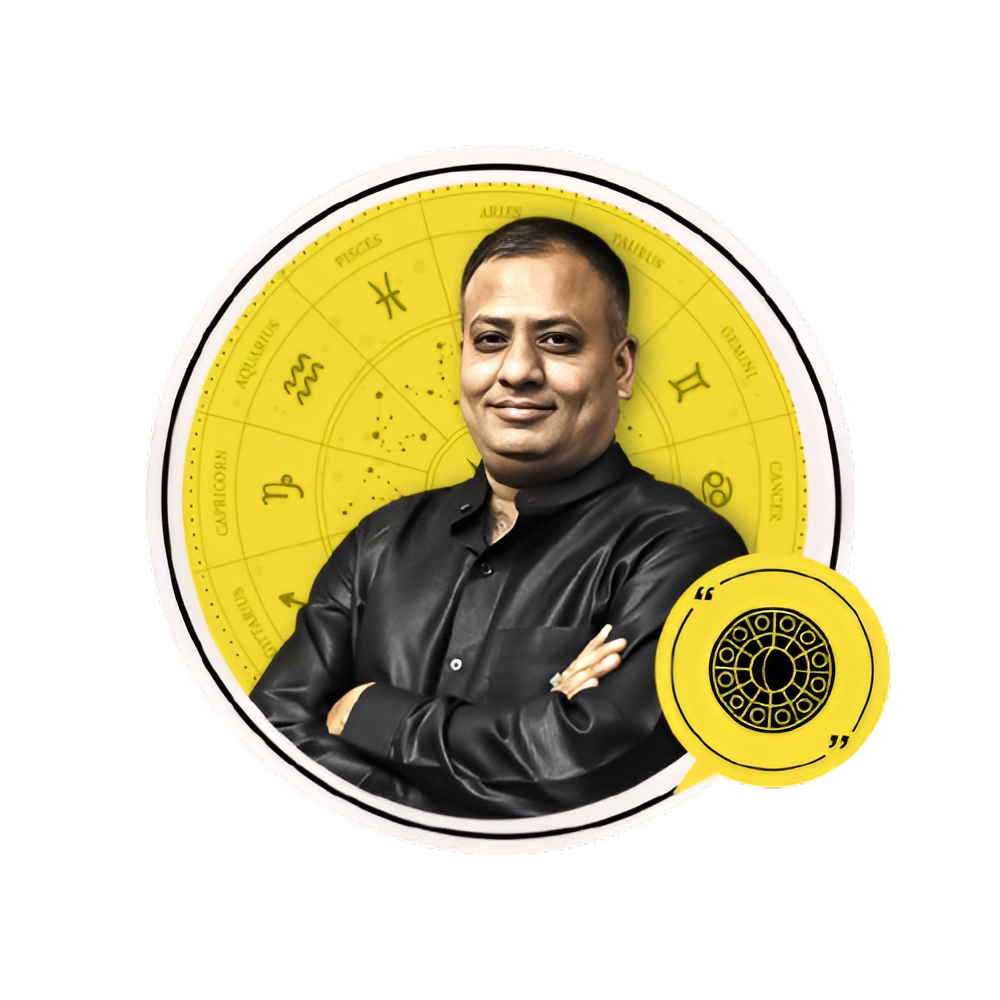
Abhishek Soni

Astrologer Abhishek Soni
India's Top Celebrity Astrologer | 50,000+ Consultations | Vedic Astrology, Numerology & Vastu Expert
Book Consultation